

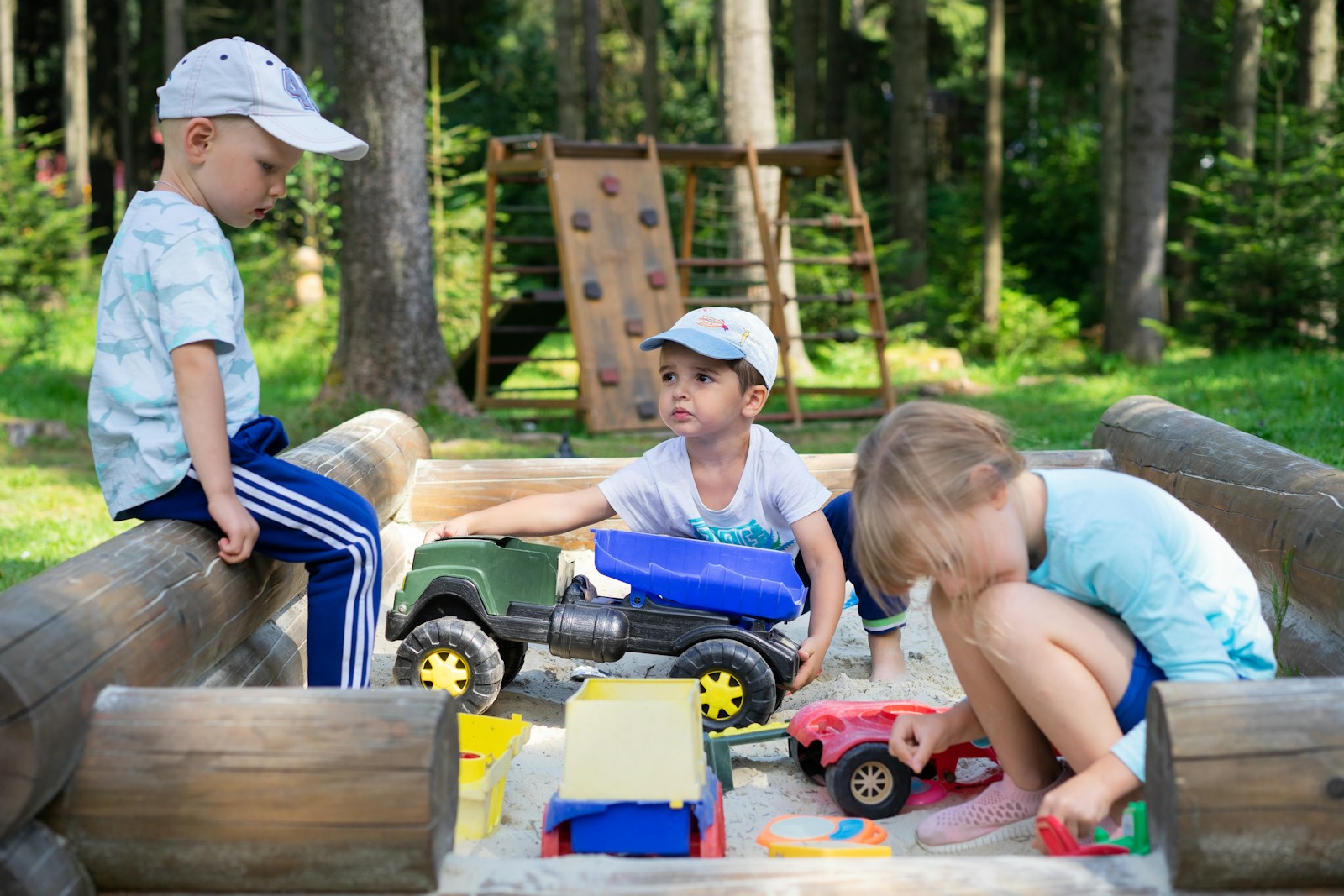
A mother in a neighborhood park found herself navigating a tricky situation when her son made a typical 4-year-old joke about poop. While playing with a chaotic acquaintance’s child, the laughter turned to tension as the other child’s mother erupted with frustration, scolding her son and insisting, “We DON’T say those words.”

For this mother, potty talk was a humorous part of her son’s playtime. She openly encouraged his jokes about poop, farts, and butts, believing they were just harmless fun. “I find them funny,” she said. This lighthearted approach to potty humor was a staple in their household. However, witnessing the reprimand made her wonder how to handle similar situations in the future when different parenting styles collide.
After leaving the park, she discussed the incident with her son, explaining that different families have various rules regarding language. “Sometimes people will feel uncomfortable with things that we feel okay saying,” she noted. The conversation was meant to instill understanding, emphasizing that while they are not responsible for making others comfortable, they can choose their words wisely in certain settings to avoid upsetting friends.
Still, the mother was unsure of how to react if her son were to say something deemed inappropriate by another child’s parent while they were together. Her instinct was to avoid reprimanding him for behavior she allowed at home. Instead, she considered whether to gently suggest they not use certain words around friends who may not appreciate them. Would that inadvertently undermine her parenting choices or feel like a jab at the other parent’s rules?
This scenario is not uncommon among parents, especially as children start interacting with peers more frequently. Balancing individual household rules with the expectations of others can often feel like a tightrope walk. Parents frequently find themselves in situations where they must choose between advocating for their child’s freedom of expression and respecting the feelings of others.
In the digital space, many parents shared their thoughts on similar experiences. One person commented on the importance of teaching kids to adapt their language based on their audience. “Every family has its needs,” they said. “Teaching kids to read the room can be helpful.” This approach emphasizes the value of being aware of social contexts while still nurturing individuality.
Another parent pointed out that it can be beneficial to have a simple dialogue with children about what language is appropriate in various settings. “Maybe just remind them that some friends might not like those words,” they suggested. This strategy strikes a balance between maintaining personal household rules and acknowledging the preferences of others.
Despite the different parenting styles, it’s essential for children to learn that humor can vary significantly when interacting with peers. The mother could see the merit in teaching her son how to respect others’ feelings without feeling stifled himself. However, the challenge lies in delivering that lesson delicately, especially in the heat of the moment when laughter quickly turns to scolding.
The mother reflected on whether she should address the issue directly if her son made similar jokes around the other child. Would it come off as hypocritical? Or might it be a teachable moment? The line between guiding her son and placing him in a box of rules felt blurred.
This parenting issue illustrates how evaluating language and humor can become complicated when children engage with varied cultural norms and expectations. Teaching adaptability while nurturing the essence of childhood joy can feel daunting, particularly when outside influences arise. Many parents echoed her sentiments, revealing that they too have navigated similar waters, raising questions about the balance between personal values and social norms.
As the mother considered her approach, she remained uncertain about the best course of action. Should she adjust her rules, maintain her stance, or find a middle ground that respects both her family values and the feelings of others? It’s a question many are left pondering as their children grow and encounter a wider world filled with diverse opinions and parenting styles.
More from Vinyl and Velvet:

Leave a Reply