

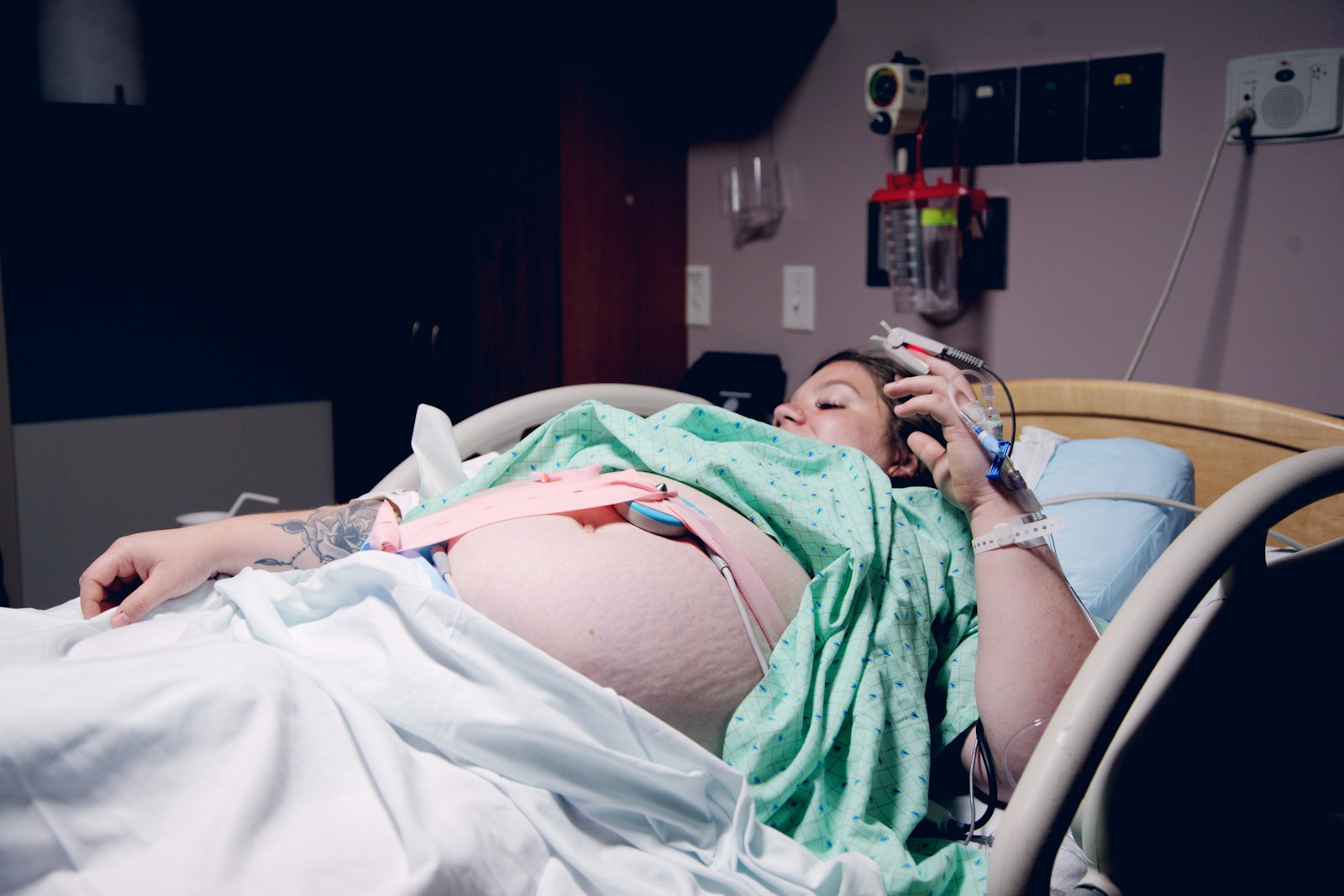
A mother recently shared her frustrations about a common reaction she encounters when recounting her childbirth experience. While discussing her fast labor, she often hears the phrase, “You’re so lucky,” cutting her off before she can fully explain what her experience entailed.
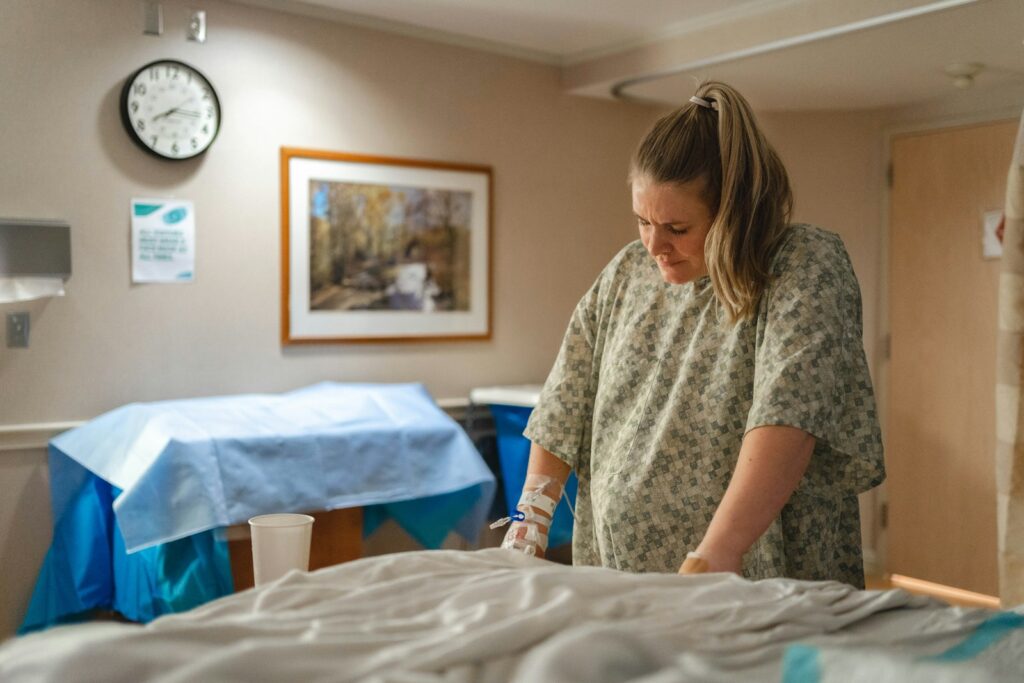
At first glance, fast labor might seem like a blessing. It suggests a quick delivery, a brief time in pain, and an easier transition into motherhood. However, the reality for this mother paints a much different picture. Her experience was marred by preeclampsia, a serious pregnancy complication that can lead to severe health issues for both mother and child.
She described how everything happened at an alarming speed, leaving her body overwhelmed and unprepared for the rapid changes. The intensity of her labor resulted in significant physical trauma, including an internal third-degree tear and a bladder prolapse. These complications did not just fade after delivery; they lingered, impacting her life for months to come.
After the birth, she underwent two rounds of stitches. The recovery was far from straightforward. She had to commit to over a year of pelvic floor therapy. The physical challenges were compounded by emotional struggles as intimacy with her husband was affected—she shared they went without sex for ten months and faced painful encounters for nearly two years.
Despite these challenges, when she tries to share her full story, the quick response of “you’re lucky” feels dismissive. It seems to her that the complexities and difficulties of her experience are overlooked in favor of a simple narrative about a short labor. “It feels like the rest of that experience disappears,” she explained, highlighting how frustrating it is when people reduce such a multifaceted journey to a single aspect.
Her frustration isn’t about comparing her labor to others or suggesting that longer labors are inherently more difficult. She recognizes that every birth can present its own set of challenges, making each unique in its way. Her aim is to convey that dismissing her experience with such a quick statement minimizes the reality of what she went through.
She emphasized the need for understanding and empathy in discussions surrounding childbirth. Each woman’s story deserves to be heard in full before assumptions are made. By cutting her off, people miss the chance to appreciate the real struggle she faced following her fast labor.
The conversation around childbirth often revolves around narratives that seek to simplify experiences into palatable sound bites. This mother’s story is a stark reminder that what may appear fortunate on the outside can often be the tip of the iceberg. Preeclampsia, postpartum complications, and the psychological scars from rapid and traumatic births deserve attention and acknowledgment.
One reader resonated with her experience, stating, “It’s frustrating how some people just want to hear the easy parts of a story instead of the full truth.” This sentiment underscores a broader issue in how society discusses maternal health and the various realities women face during and after childbirth.
Another reader added, “Everyone’s journey is different, and it shouldn’t be reduced to just one aspect.” By fostering a more inclusive dialogue about childbirth experiences, women can feel validated rather than minimized when they share their stories.
This mother’s ongoing struggle with her health post-delivery, along with the stigma surrounding complications, highlights the need for greater awareness and respect for all birth stories. She wishes for a world where every narrative is allowed space to breathe, where her words aren’t silenced by assumptions of luck.
As she continues to navigate her recovery journey, there’s still a feeling of being unheard and misunderstood in these conversations. Her decision to share her complex experience is a courageous step toward changing the narrative around childbirth. Whether people will listen and engage meaningfully remains to be seen, but her message is clear: the fullness of one’s experience deserves to be acknowledged.
More from Vinyl and Velvet:

Leave a Reply