

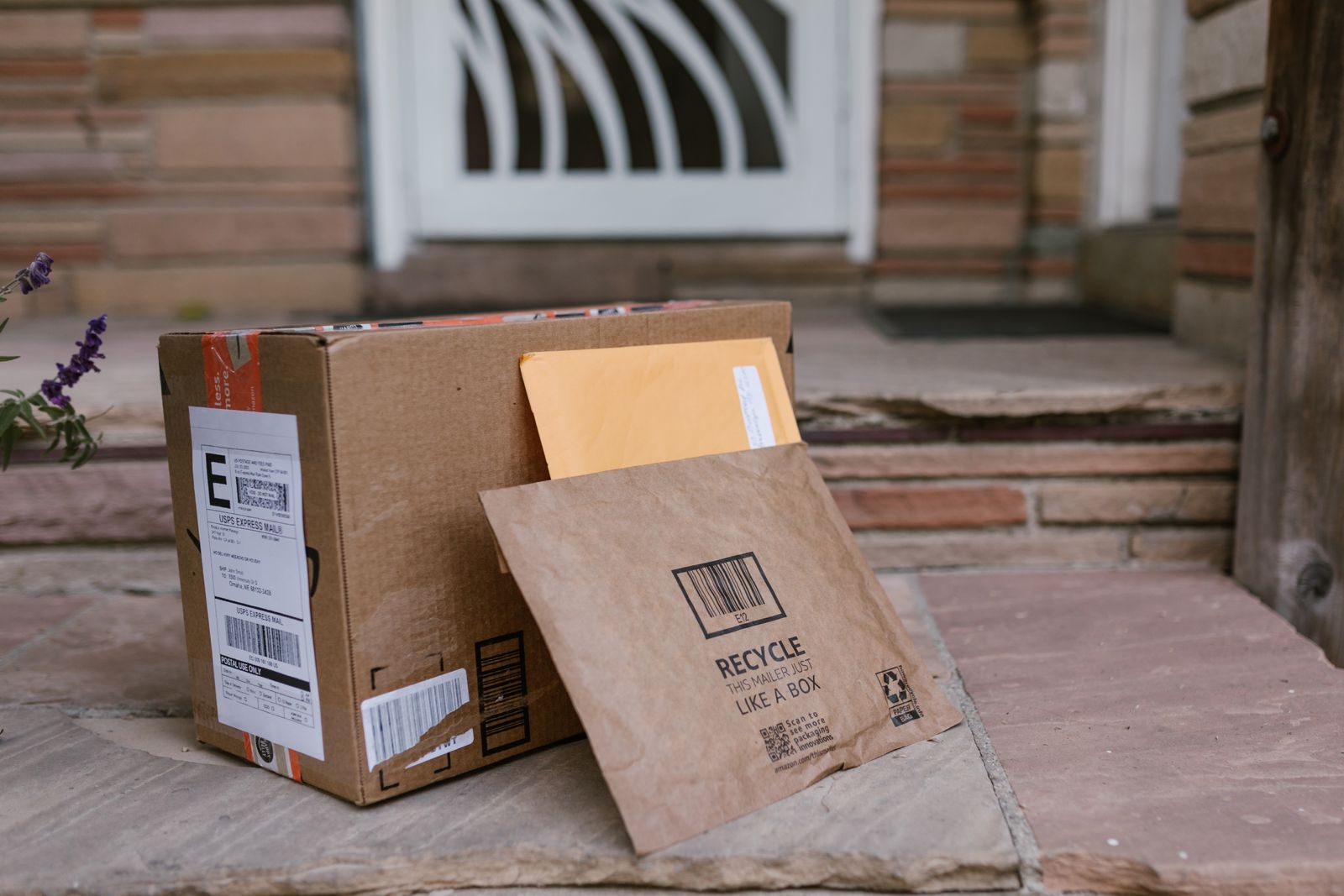
A package intended for a neighbor sat outside an apartment door for three days, leading to an urgent situation that could have been avoided. The incident began when a resident of the building received a delivery addressed to her neighbor in unit 2B. With a busy schedule, she planned to deliver it but ultimately forgot about it.
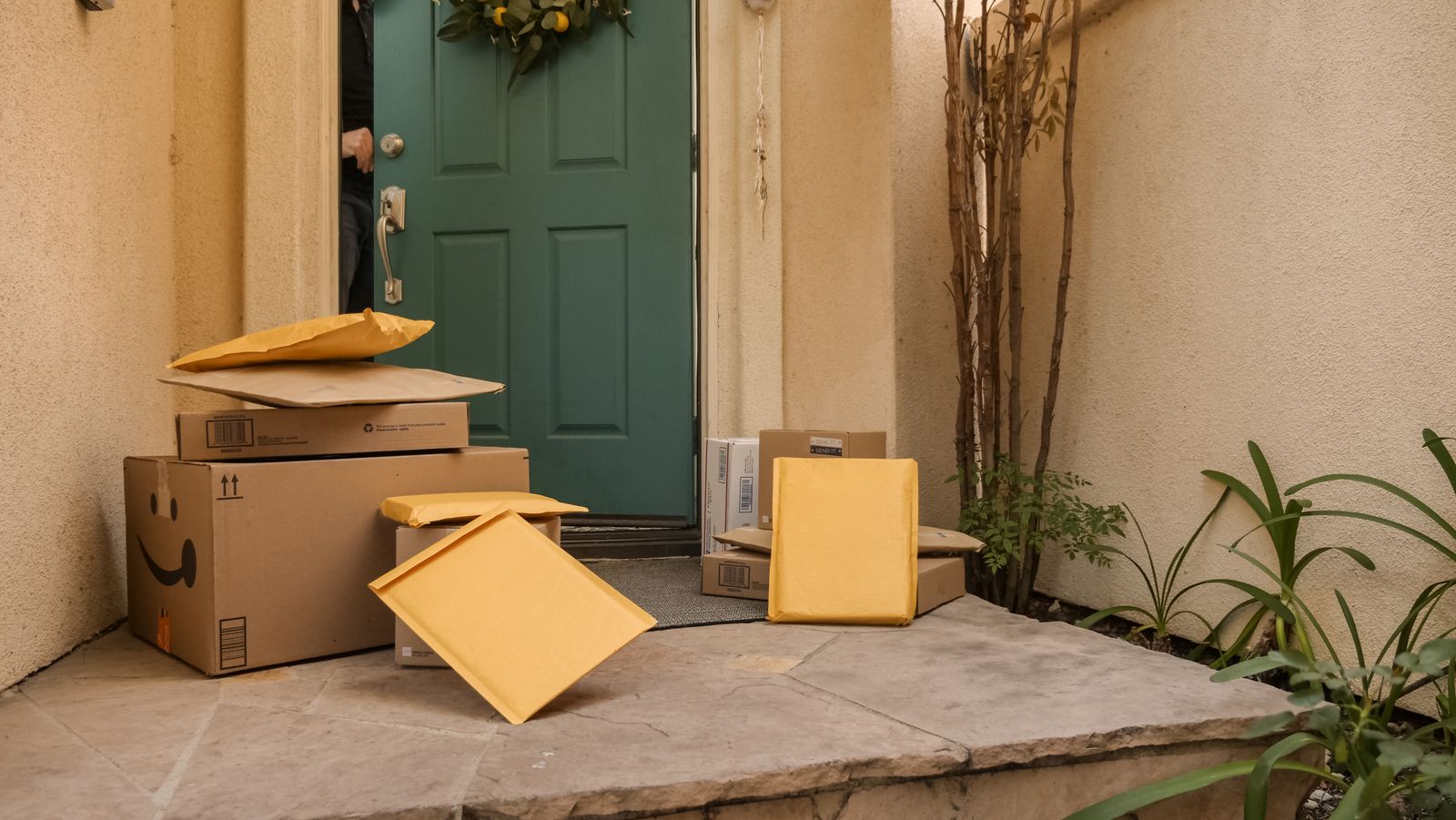
The package remained by her front door, unnoticed, until she finally remembered it days later. When she knocked on her neighbor’s door to return the package, no one answered. Leaving it outside, she returned to her apartment. Later that night, her neighbor knocked on her door, visibly upset and holding the package. The confrontation revealed that the contents were vital medication that the neighbor had been waiting for.
The neighbor explained her predicament. Running out of medication forced her to seek urgent medical care. She expressed her anger and frustration about the delay, blaming her neighbor for not returning the package sooner and labeling her as irresponsible. The resident apologized, explaining that she did not open the package and had no idea it contained medication.
After the encounter, the resident felt guilty and confused. She had assumed that the package was not urgent. She shared the event with a friend, who emphasized the importance of promptly returning someone else’s mail. This added another layer of guilt, as the resident realized her oversight could have severe consequences.
Many people can relate to the chaotic nature of life in an apartment building, where packages get mixed up regularly. However, the resident’s situation raises questions about the responsibilities of individuals when handling others’ deliveries. One person commented on the Reddit post, stating that it is crucial to return packages as soon as possible, especially when dealing with necessities like medication.
Another reader pointed out that the resident’s intention wasn’t malicious, yet the impact of her forgetfulness had serious repercussions for her neighbor. It highlights a scenario where a small lapse in responsibility led to significant stress for the other party involved. The resident’s admission of her error is reflective of many human experiences—forgetting details under pressure and dealing with the fallout.
While the resident did not open the package or use its contents, the urgency of the neighbor’s medication created a complex emotion surrounding the situation. In a fast-paced world, it can be easy to forget logistics, especially items left unattended. However, this incident serves as a reminder of how critical timely actions can be in terms of health and well-being.
The neighbor’s reaction brought the weight of the situation into focus. She expressed that this was not just about a package but about a health issue that could have spiraled out of control due to a lack of communication and action. The emotional fallout from the incident continues to linger between the two women, creating tension in what was previously a neighborly relationship.
As they live in the same building, the resident now faces the potential of ongoing awkward encounters. The neighbor’s anger starkly contrasts with the resident’s guilt, leaving both women navigating their feelings. The situation serves as a lens into how easily relationships can be tested by simple mistakes.
The incident has sparked discussions online about the responsibilities people have when it comes to packages that aren’t theirs. A trending sentiment emphasizes that people should always check their mail deliveries and communicate quickly when issues arise. One commenter captured the essence of this advice: “You can’t be too careful when it comes to someone else’s mail.”
As the neighbor continues to hold resentment towards her and her friend reinforces the idea that she should have acted differently, the resident is left with lingering feelings of regret. She genuinely believed she meant no harm, but the reality of her mistake is clear. She never anticipated that a simple lapse in memory could lead to someone needing urgent care.
In light of their living situation, the resident wonders whether she will eventually be able to apologize and mend the relationship. The complexity of human interactions, especially in close quarters like an apartment building, can make forgiveness a challenging road to navigate. The resident now contemplates whether to make amends or if her neighbor’s anger will persist.
More from Vinyl and Velvet:

Leave a Reply