

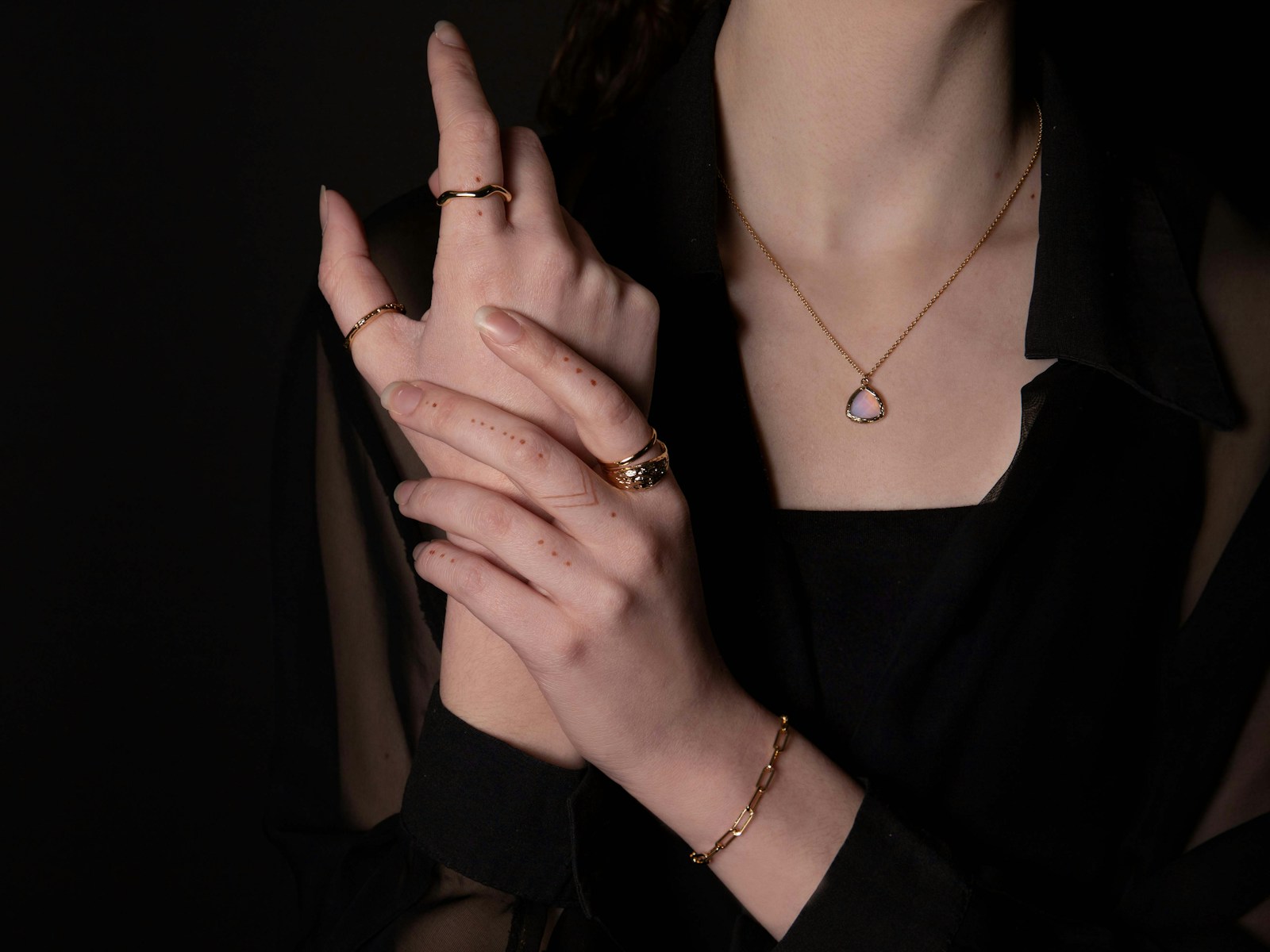
A millennial woman recently found herself questioning the trend in jewelry ownership among her generation while hosting her mother-in-law during a storm. As her mother-in-law carefully unpacked a box filled with valuable gold jewelry, the younger woman realized that she rarely sees her peers adorned with such items.
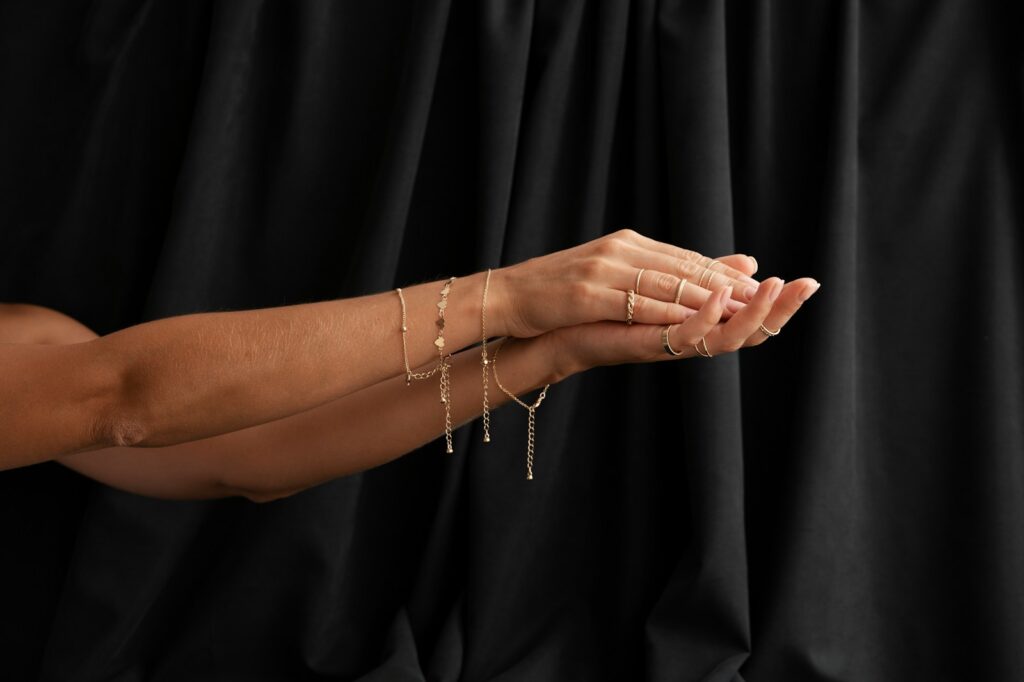
The sight of pearls, gold chains, and delicate bracelets made her reflect on the generational shift in preferences. “Owning valuable jewelry seems like a boomer thing now,” she said. The generational divide became even more pronounced when she considered her 95-year-old grandmother, who still enjoys shopping for jewelry despite struggling with dementia.
While reminiscing about the past, she noted that even financially successful young women in her circle are gravitating toward high-end handbags instead. “They want to show off their wealth with handbags rather than traditional gold jewelry,” she observed. “Most don’t own any valuable pieces beyond their engagement rings.”
This shift raises a question: Do young women today still invest in expensive jewelry like their mothers and grandmothers did? The evolving definition of luxury and status may provide some clues. For many millennials and Gen Zers, tangible items like handbags serve not just as fashion statements but as symbols of success and individuality.
Handbags from designer brands offer a distinct allure. They are often seen as versatile and functional while still carrying a prestige associated with their makers. In contrast, gold jewelry can feel outdated or too traditional for younger generations who prioritize personal expression over material possessions.
It seems that younger women today are redefining what it means to signal wealth. Luxury has shifted from timeless pieces to trend-driven fashion. One young woman explained, “A handbag can match any outfit and usually feels more practical than jewelry that just sits in a box.”
Social media also plays a significant role in these changing trends. Platforms like Instagram and TikTok have popularized fast fashion and the latest trends, pushing expensive jewelry to the sidelines. With influencers showcasing the latest bag styles, it’s no wonder that young women are opting for statement handbags instead of family heirlooms.
The generational contrast also highlights how value perception varies. To young women, the price tag on a designer bag might feel more justified and tangible than a gold necklace that might be seen as an unnecessary luxury. Many perceive jewelry as static, while handbags can be both fashion statements and everyday essentials.
As trends evolve, the emotional connections to jewelry seem to diminish. For older generations, jewelry often held deeper significance, representing milestones and family connections. For younger women, handbags may carry similar emotional weight, but the associations differ widely.
A younger woman, reflecting on her mother’s collection of jewelry, admitted, “It just feels different now. Jewelry is something my grandma wore, but I want something that feels more ‘me’.” This sentiment illustrates the ongoing shift from inherited wealth symbols to modern expressions of identity and personal style.
The question remains whether this trend is temporary or a clear departure from traditions. Many young women today are still purchasing jewelry but might prioritize uniqueness and personal style over classic designs. “I love jewelry, but I want it to be something that stands out, not just another gold piece,” another young woman shared.
As this generational transition continues, it’s possible that valuable jewelry may only hold significance for those looking to maintain family legacies. However, as more millennials and Gen Z women prioritize versatile styles, it seems that traditional gold jewelry might be slowly fading into the background.
The ongoing interest in luxury items like handbags indicates that while the methods of expressing wealth may change, the desire for status remains strong. As younger generations navigate their financial choices, jewelry can often feel like a relic of the past.
One commenter on the original Reddit thread expressed a similar sentiment by saying, “Jewelry feels less relevant now. I’d rather spend that money on something I’ll use often.”
Ultimately, this exploration of fashion choices highlights how culture, identity, and financial values shape the ways younger women engage with luxury. The evolution of jewelry in modern society mirrors broader societal shifts and personal aspirations.
More from Vinyl and Velvet:

Leave a Reply