

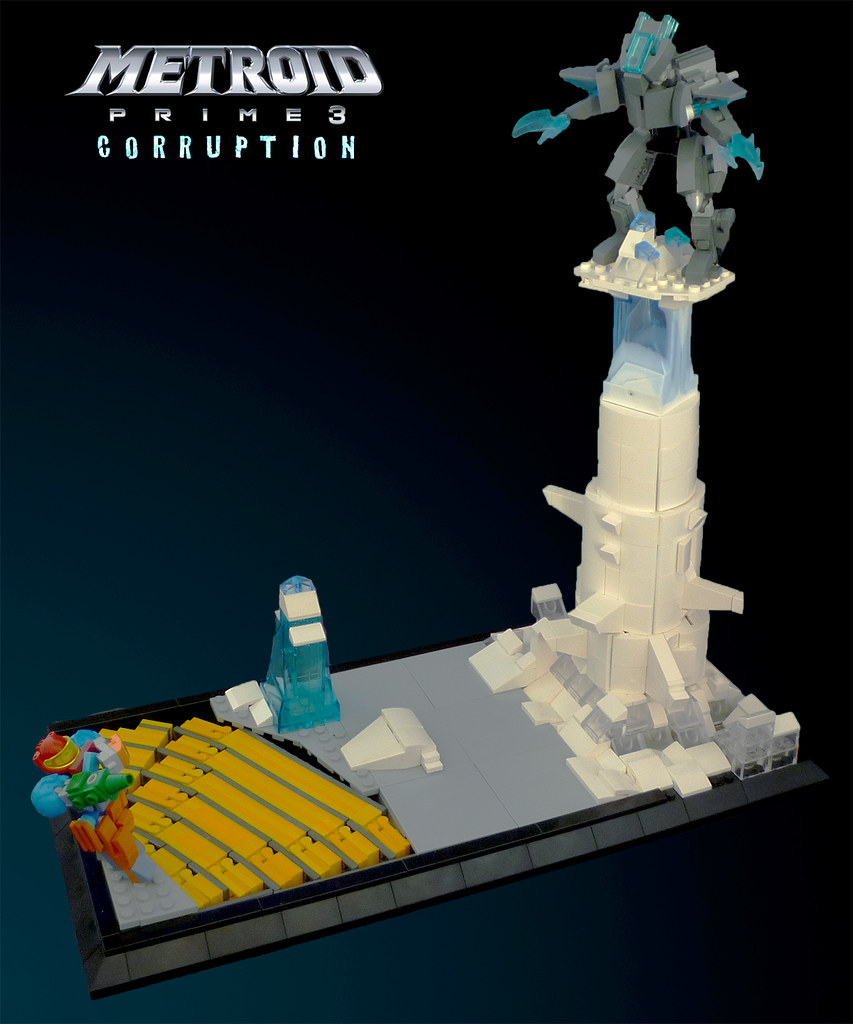
Metroid launched in Japan on August 6, 1986, on the Famicom Disk System, the same year Nintendo put out The Legend of Zelda, according to Nintendo’s own official account of the franchise’s history. Forty years later, the entire genre of games where you get an ability, backtrack, and suddenly a locked door makes sense still carries an unofficial name built from this one game’s title: Metroidvania. That’s a strange kind of immortality for a game that started as Nintendo’s attempt to make something scarier and lonelier than anything else on the console.
A Bounty Hunter Nobody Expected
Metroid dropped players on the alien planet Zebes as bounty hunter Samus Aran, hunting down the Space Pirates and the parasitic title creature, per Nintendo’s official retrospective. What made it different wasn’t the plot. It was the refusal to hold your hand. As Nintendo itself puts it, “the games in the Metroid series don’t follow a linear ‘clear the stage’ setup. They are exploratory action games where you journey through a sophisticated maze-like world, picking up new items and weapons along the way to expand the areas you can visit.” No level select. No arrows pointing the way. Just a map that stayed hostile until you’d earned the tools to make it not be.
That structure was the invention. Grab the Morph Ball, and suddenly a tunnel you’d walked past three times becomes a route. Find the Ice Beam, and an enemy that used to end your run becomes a stepping stone. Nintendo’s own developers describe the original as having “set the signature mold for the series,” establishing not just the mechanics but the tone and the now-iconic sound design in a single 1986 release.
The Twist Nobody Saw Coming
Samus Aran spent the entire game in a bulky powered suit, and most players assumed a man was underneath it, in line with basically every other action hero of the era. Finish the game fast enough and the ending revealed otherwise. According to ComicBook.com’s retrospective on the franchise, that reveal challenged industry norms and “laid the groundwork for characters like Lara Croft to become stars in future generations.” A bounty hunter game built around isolation and dread turned out to be quietly rewriting who action heroes were allowed to be, years before anyone was having that conversation on purpose.
Why “Metroidvania” Still Means Something
The same ComicBook.com piece calls Metroid “one of the most important games the NES ever got,” ranking it alongside Super Mario Bros. and The Legend of Zelda as a defining release of that console generation. Metroid’s specific contribution was proving that a game could “benefit from tension and claustrophobia” instead of pure momentum, an approach almost nobody else on the NES was attempting.
Decades later, that structure is still the backbone for entire studios. Hollow Knight, Ori and the Blind Forest, and dozens of smaller indie titles all run on the same core loop Metroid established: explore, get stuck, get an ability, un-stick yourself, repeat. Nintendo’s own history of the series frames the 1986 original as the opening chapter of a story arc that runs 35 years deep through five main 2D games, culminating in 2021’s Metroid Dread. The name changed how people talk about game design; the format never really left.
What Made It Feel Different From Mario and Zelda
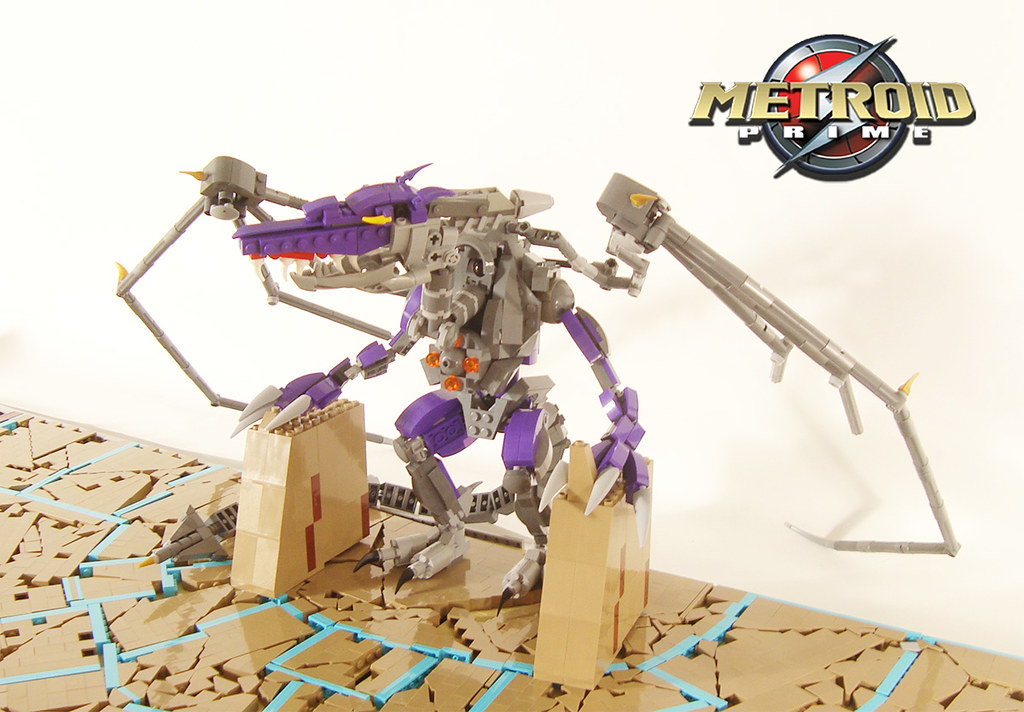
It’s worth remembering what Metroid was up against. 1986 also gave Nintendo players The Legend of Zelda, a game about a bright, open kingdom and a hero on a clear quest. Metroid went the other way on purpose: cramped tunnels, a droning score, enemies that emerged from the dark rather than announcing themselves from across an open field. Where Mario moved forward and Zelda moved outward, Metroid moved down, deeper into a planet that felt actively hostile to being explored.
That mood was as deliberate a design choice as the map itself. Nintendo’s own retrospective credits the original with “establishing the universe and tone while introducing iconic music and sound effects” in the same breath as its structural innovations, treating atmosphere as inseparable from the exploration mechanics. Games didn’t usually get to be moody and mechanically ambitious at the same time in 1986. Metroid did both without apologizing for either.
Forty Years of a Game That Trusted the Player
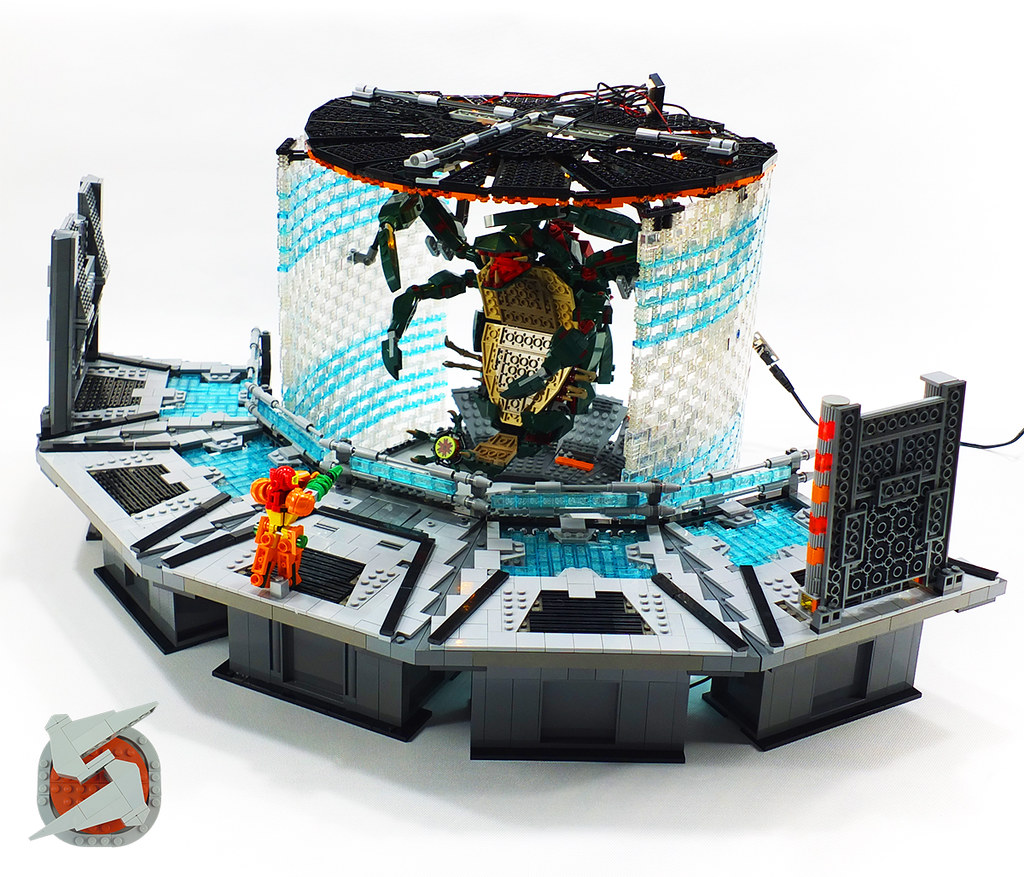
What’s easy to miss, looking back from 2026, is how counterintuitive Metroid’s whole approach was in 1986. Every instinct in game design at the time pushed toward clarity: show the player where to go, tell them what to do, keep the pace moving forward. Metroid did the opposite and asked players to get lost on purpose, to treat confusion as part of the fun rather than a design failure. That bet paid off well enough that an entire generation of developers is still making the same wager, forty years later, on purpose, with the genre named after the game that dared to try it first.

Leave a Reply