

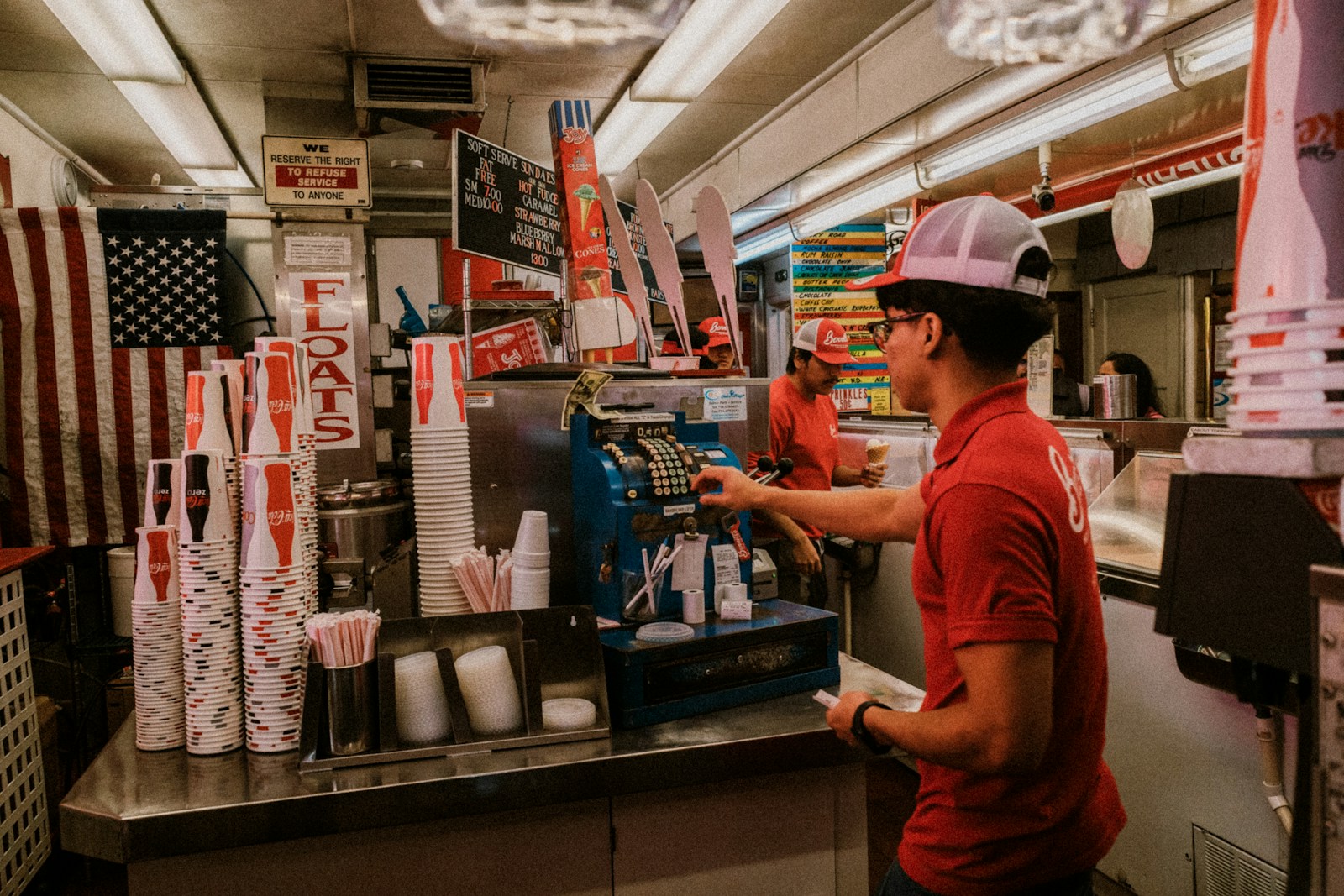
A McDonald’s worker recently shared a frustrating experience that highlights the chaos of fast-food operations during a busy lunch rush. The new employee, who had only been on the job for two weeks, recounted their struggle to balance customer service with operational demands when their manager insisted they remain at the register despite the chaos brewing in the kitchen.

On what was supposed to be an ordinary shift, the worker found themselves at the center of an unusual directive from their manager. With lunchtime traffic in full swing, the employee was tasked with bagging orders, making drinks, and handling customer interactions, all while trying to keep the restaurant running smoothly. Just as they were getting accustomed to the rhythm of the job, their manager issued a perplexing order.
The directive was clear: focus only on customers at the front, even when there were no customers waiting to be served. Confused but compliant, the worker stood at the register, watching as other staff struggled in the kitchen, overwhelmed by a backlog of orders. When they ventured into the kitchen to help, the manager firmly told them to return to the front. This lack of logic left the employee feeling both frustrated and helpless.
With no customers to assist, the employee stood idle for five long minutes, before eventually trying to assist in the back again. Each time they attempted to lend a hand, they were met with the same rebuke: “Stay out there.” The manager’s insistence to keep them at the counter, regardless of actual customer needs, became increasingly absurd. After multiple attempts to explain the situation, the worker was left to stand in limbo, feeling inadequate and unproductive.
As time dragged on, the employee couldn’t help but notice a customer waiting impatiently for their order. They knew exactly what the customer needed but felt powerless to help. When approached by the customer, the worker apologized and explained, “I’m sorry, I would get that for you but I’m not allowed back there right now.” Their frustration grew as they watched their coworkers struggle while the manager kept them at the register.
The situation worsened when the employee ran out of medium cups and sought help from another colleague. Instead of receiving the assistance they needed, the coworker assumed they didn’t know where to find the cups and offered to show them. The employee reiterated, “No, I know where they are, but the manager doesn’t want me back there right now.” This added to the feeling of absurdity in the scenario.
Throughout this ordeal, the worker was told they needed to give customers their drink cups even if the orders were placed on the kiosk. Once again, they had to explain that they couldn’t check the orders in the back, leaving them in a position where they could neither serve customers properly nor assist their teammates in the kitchen.
Frustrated and bored, the employee spent the last half hour of their shift standing by the register, counting down the minutes until they could leave. Eventually, a shift lead noticed the situation and urged the employee to help out more, nudging them to “not shrink their duty.” This prompt led the worker to finally explain their predicament to her, which had been overheard by a general manager. This manager indicated they would address the issue with the employee’s supervisor directly.
After the discussion, the manager pulled the employee aside and offered an unexpected apology. She admitted feeling overwhelmed during the lunch rush, which led to her unreasonable directive to keep the new worker stationed at the front. This acknowledgment, while appreciated, did not fully resolve the employee’s frustration over the lack of support and communication.
One person commented on the situation, reinforcing the idea that a team-oriented approach is critical, especially in fast-paced environments. Another reader suggested that managers need to recognize the importance of flexibility during busy times and trust their employees to make decisions that benefit the team overall.
As the employee reflects on their experience, they are left contemplating whether to further address the management style that led to this chaotic situation. The balancing act between customer service and team support remains a challenging aspect of fast-food culture, leaving many workers in similar positions wondering how to navigate such conflicts in the workplace.
More from Vinyl and Velvet:

Leave a Reply