


Only 1.3 percent of American adults now live in a household with a landline and no cell phone, and 76 percent have gone wireless-only entirely, according to the CDC’s most recent National Health Interview Survey data. By every infrastructure metric, the wall-mounted phone should be extinct. And yet a small, specific group of homeowners keeps bolting push-button wall units back onto kitchen walls on purpose — not because they forgot to remove one, but because they went out and bought it.
The Bluetooth Loophole That Makes It Actually Work
The trick that makes a 2026 wall phone functional instead of purely decorative is Bluetooth. Devices marketed for this exact purpose pair wirelessly with a household’s existing cell service, so the retro handset on the wall rings, dials, and connects like a real phone even though there’s no copper line running behind the drywall, a workaround Family Handyman details in its coverage of the trend. Parents use the setup to hand kids a phone that can call and receive calls without opening a door to the rest of the internet — full communication, zero feed to scroll.
That distinction matters, because it separates this from simple prop-buying. A phone bolted to the wall as a styling choice is décor. A phone bolted to the wall that a twelve-year-old actually uses to call a friend after school is a household deciding, deliberately, to route a specific function through 1985-shaped hardware instead of a screen.
Nostalgia With a Function
The other driver is more straightforwardly aesthetic, and it skews younger than you’d expect. Axios reported that Gen Z shoppers are buying vintage and retro-styled phones through Etsy, eBay, and specialty vintage sellers, alongside newly manufactured retro units sold by mainstream retailers including Urban Outfitters, Best Buy, and Target — meaning this isn’t a fringe habit confined to flea-market obsessives. It’s a purchase you can make at a mall.
The pull, per that same reporting, is a documented craving among younger buyers for tactile objects from “a simpler, pre-digital era,” running alongside parallel booms in vinyl records, point-and-shoot film cameras, and flip phones — all technologies that do less than their modern replacements and are being chosen precisely for that limitation. A wall phone can’t buzz with a push notification. It can only ring, loudly, when someone specifically wants to reach the house. For a generation raised on infinite scroll, that’s not a downgrade. It’s the entire point.
The House Used to Be Built Around It
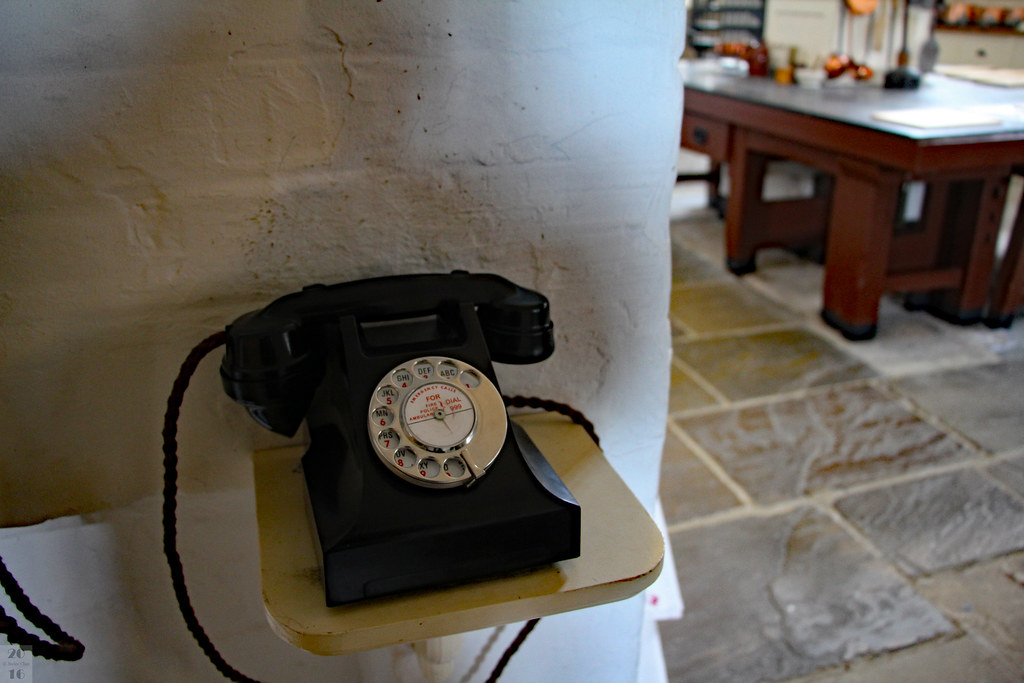
Wall-mounted household phones aren’t actually a kitchen-specific throwback in the first place — the earliest version of this fixture was the phone nook, a small recessed space that showed up in American homes starting in the early 20th century, typically tucked into a hallway or stair landing with a shelf for a heavy rotary handset and a little seat built in underneath, according to a history of vanished home features. Houses that weren’t built with one could order a prefab nook straight out of a Sears catalog and have it installed wherever made sense, which is another way of saying that dedicating real architecture to a single phone used to be completely unremarkable.
That nook disappeared for an obvious reason: once phones got smaller, cordless, and eventually mobile, there was no longer any need to anchor one to a single spot in the house at all, and most surviving nooks today get repurposed for mail and keys instead. The current wall-phone revival essentially reverses that logic on purpose — instead of a phone getting freed from a fixed location, homeowners are choosing to re-anchor one, deliberately, to exactly one wall.
A Small Counter-Trend, Not a Reversal
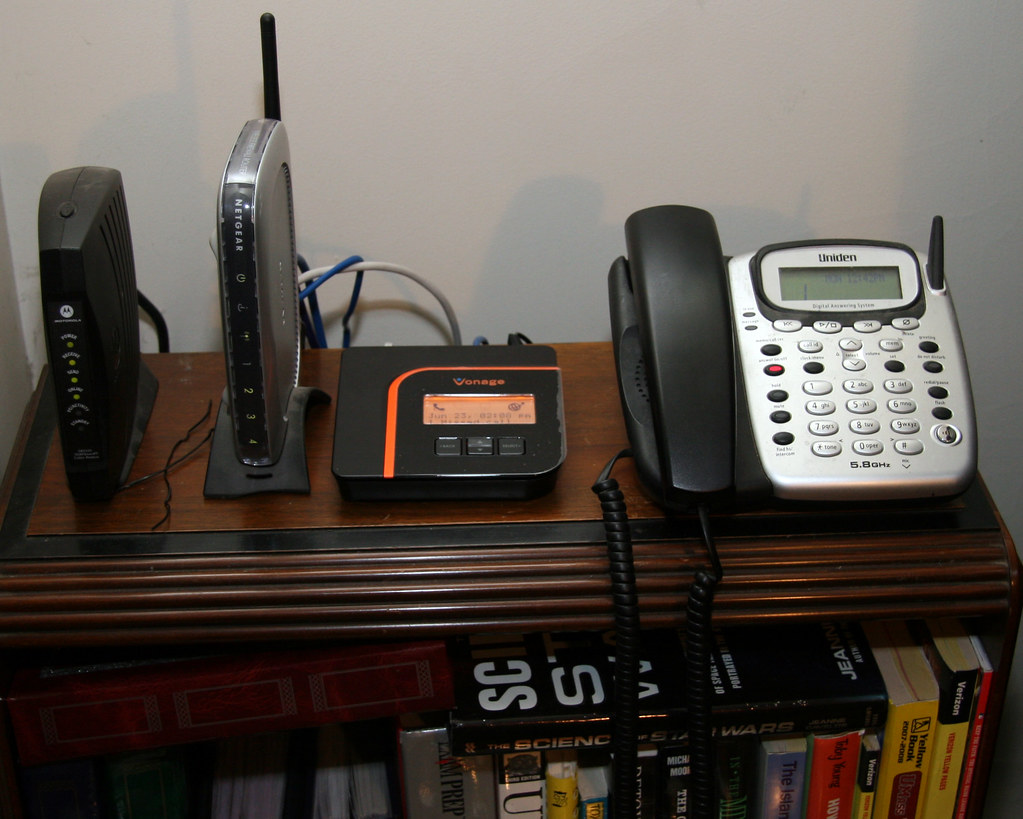
None of this reverses the underlying collapse of landline infrastructure, and it isn’t supposed to. Wireless-only adoption has climbed steadily among adults since 2003 and shows no sign of slowing, per the CDC’s tracking, with the sharpest increases among renters and adults in their early thirties. Telecom carriers are simultaneously retiring analog copper lines in favor of fiber and wireless networks, which makes an actual functioning landline harder to install with each passing year, not easier.
What’s happening in kitchens is a narrower, more deliberate thing sitting on top of that decline: a household with cell service for everyone already decides to add one more device, on purpose, mounted at counter height, that does exactly one job. It’s the same logic that drives someone to buy a film camera when their phone already takes better photos — the constraint is the feature. A kitchen wall phone can’t text, can’t scroll, can’t notify you of anything except an actual person calling an actual house. In a home already saturated with screens that do everything, a machine that does one single thing on purpose has become the genuinely rare object.

Leave a Reply