

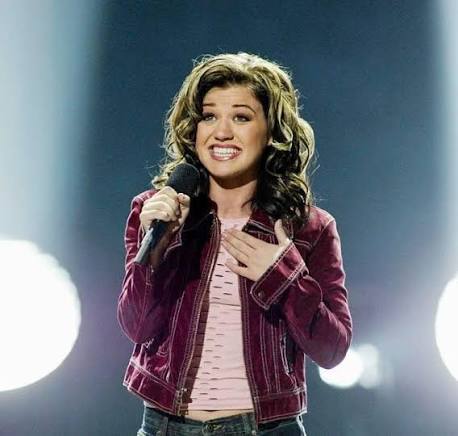
Kelly Clarkson beat Justin Guarini in the first-ever American Idol finale on September 4, 2002, drawing 22.77 million viewers to Fox for a summer replacement show nobody had heard of three months earlier, according to production and ratings records documented on Wikipedia. Twenty-four years later, the finale still marks the moment reality competition television stopped being a novelty and started being one of the biggest businesses in American TV.
A Talent Show Nobody Expected to Matter
American Idol premiered June 11, 2002, as a summer filler show built from ten finalists who’d survived regional auditions across seven cities, judged by Paula Abdul, Simon Cowell, and Randy Jackson, and hosted by Ryan Seacrest alongside Brian Dunkleman, who left after this single season. Nothing about that setup screamed cultural landmark. Summer had traditionally been where networks dumped reruns and burned off shows that hadn’t earned a real season, not where they launched anything meant to matter. By the finale in September, that assumption had collapsed. Viewers cast 15.5 million votes for the final two contestants, and Clarkson took 58% of them, a genuinely decisive win rather than a narrow squeaker, according to the same Wikipedia production record. Clarkson had worked as a waitress and a process server in Texas before auditioning, which made the scale of what happened over that single summer even more jarring for her personally than it was for the audience watching at home.
A Coronation Song Built to Break a Beatles Record
Every finalist that season recorded a version of “A Moment Like This,” the designated coronation single meant to launch whoever won, according to American Songwriter’s retrospective on the single. Clarkson’s version debuted at number 52 on the Billboard Hot 100 and then jumped straight to number one within weeks, a 51-spot leap that broke a chart record the Beatles had held since 1964, when “Can’t Buy Me Love” jumped 27 spots to the top, according to Billboard chart data compiled on Wikipedia. The single sold roughly 236,000 copies in its first week alone and was certified gold within six weeks of release.
A Record That Actually Did Get Beaten, Eventually
Clarkson’s record held for five years, longer than most chart superlatives survive in an era of constant new releases, before Maroon 5’s “Makes Me Wonder” broke it in 2007 with a 63-spot jump to number one. What happened next is the part most retrospectives skip: Clarkson broke the record again herself, in 2009, when “My Life Would Suck Without You” leapt 96 spots from number 97 straight to number one. The woman who set the original American Idol chart record went on to set the record that replaced the record that replaced hers. Few artists get to be the answer to their own trivia question twice, seven years apart, on two entirely different labels and two entirely different eras of how people even bought music.
The Finale That Launched a Decade of Imitators
That first finale’s ratings weren’t just a good night for Fox, they were the proof of concept that reshaped an entire decade of programming. Every network scrambled to build its own singing competition, talent search, or elimination format in the years that followed, chasing a version of what American Idol had just demonstrated: that live, real-people competition television could pull numbers no scripted summer show could touch. American Idol itself would go on to post even bigger finale numbers in its mid-2000s peak seasons, but that later growth only happened because season one proved the format could work at all. Nobody green-lights a format’s fifth season off a show nobody watched the first time.
Twenty-Four Years On
Clarkson has spent the two decades since building a career that dwarfs most of what a reality-show winner is supposed to accomplish: a daytime talk show, a Vegas residency, a stack of Grammy wins, and a catalog deep enough that her original coronation single is, at this point, a footnote in her own discography rather than the ceiling of her career. That’s the part of the anniversary worth sitting with. A talent show built to fill dead summer air launched a career whose commercial peaks kept arriving years, then decades, after the show that made her famous had already crowned several more winners. The finale on September 4, 2002 wasn’t the highlight of Kelly Clarkson’s career. It was just the first data point in a chart record she’d end up setting twice, from a woman who was serving tables in Texas the year before.

Leave a Reply