

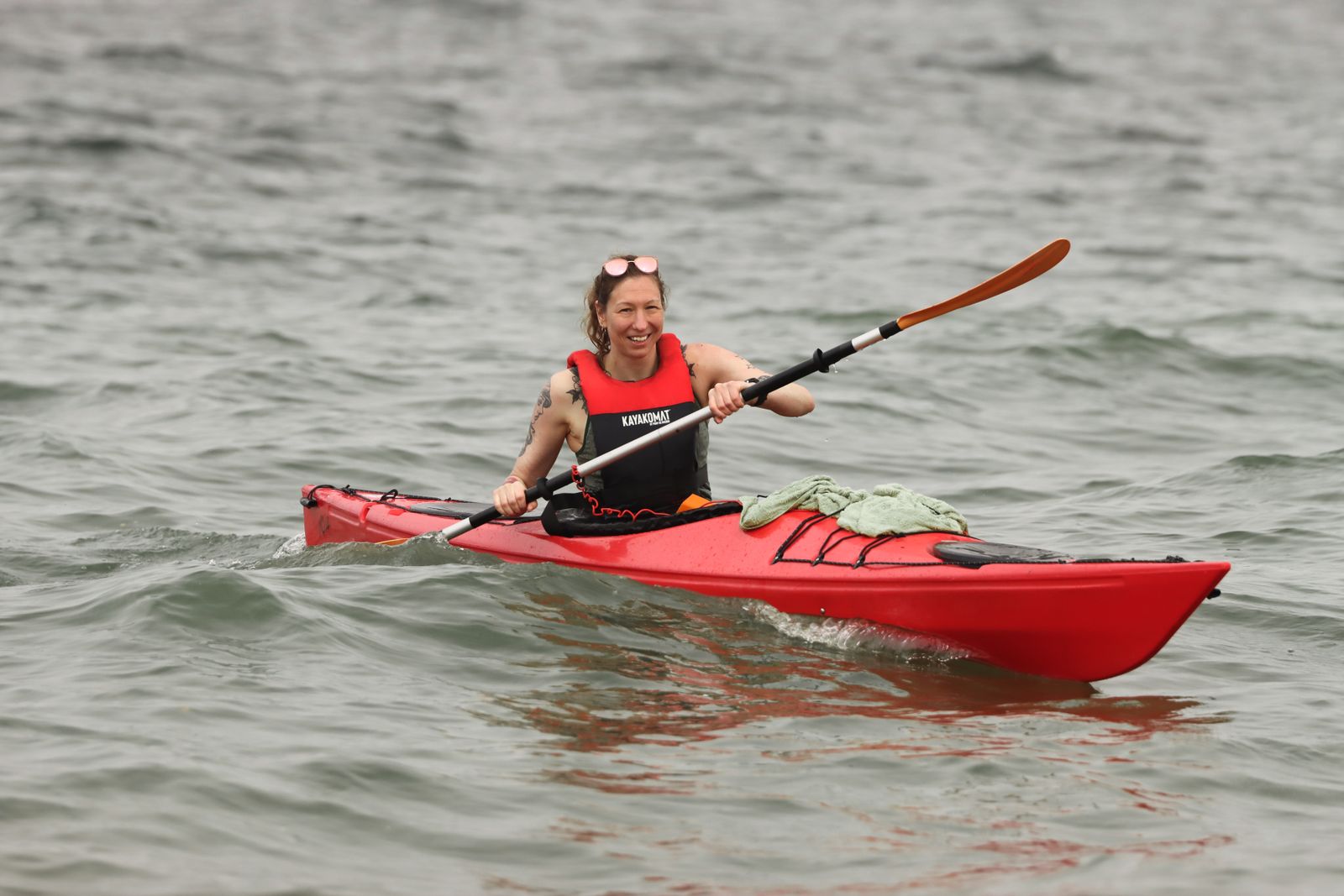
A friend’s excitement about kayaking turned into tension when she accused her companion of trying to one-up her by buying a more expensive kayak and gear. The situation unfolded when the two women discussed kayaking together following the friend’s recent introduction to the sport with her husband.
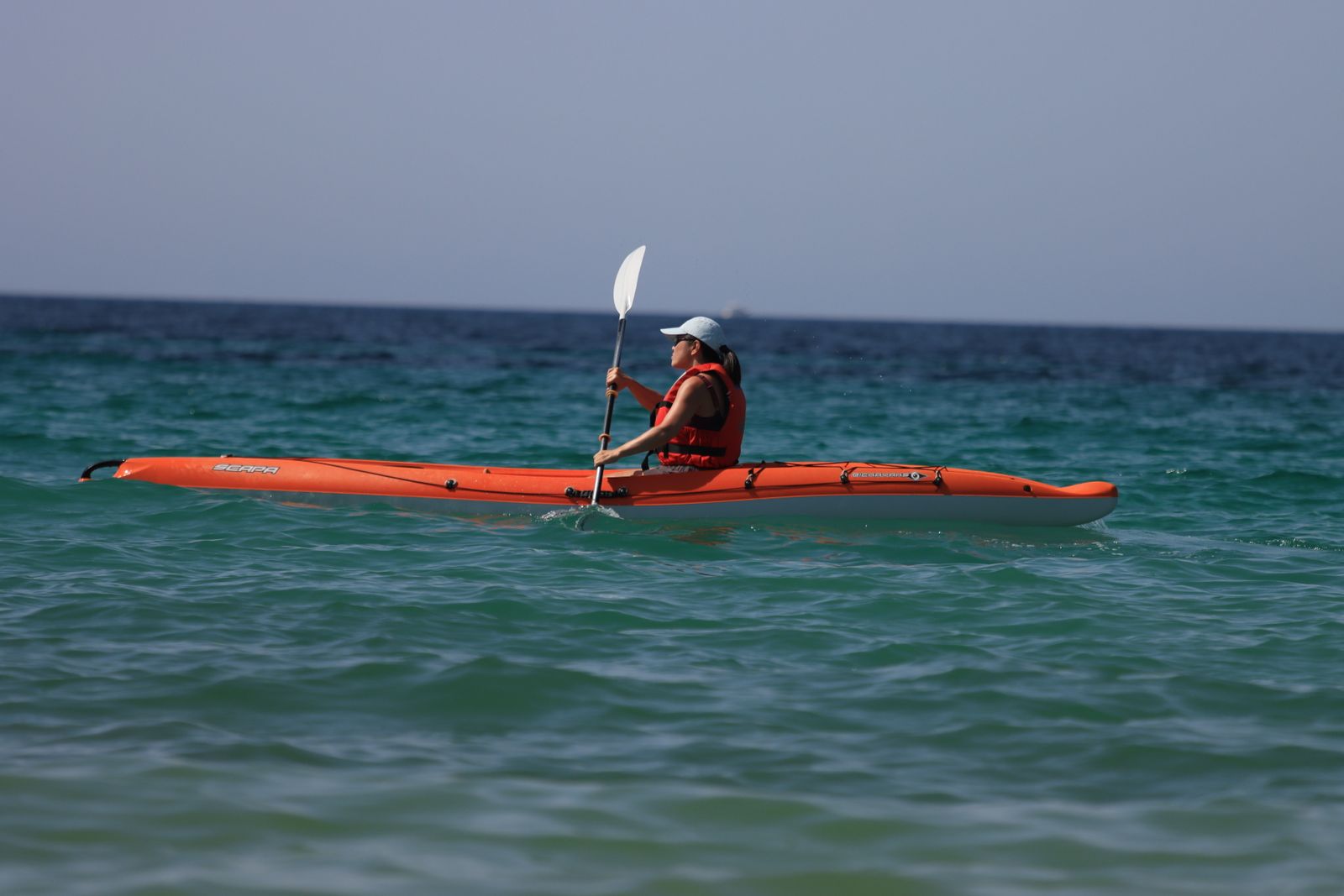
The friend had only recently started kayaking but was eager to continue the outdoor adventures. She suggested they go kayaking together and even mentioned purchasing a second kayak for guests. The other woman offered to rent a kayak for the outing or buy one if it could arrive in time, believing that this arrangement would be straightforward.
Initially, the two friends explored budget-friendly inflatable options. However, a pivotal moment occurred when the friend revealed that the kayak she had purchased before was unsuitable because its total weight capacity was only 180 kilograms, a limit that wouldn’t accommodate both of them and their gear. Despite still being excited about their plans, the woman began to research more robust options after realizing the limitations of the recommended gear.
She discovered that for better stability and safety, she should look for a kayak that could handle at least 210 kilograms. After thorough research, she selected a kayak that cost about 150 euros more than what her friend had suggested, which boosted its capacity and functionality. In addition to the kayak, she bought swim vests for both of them, waterproof hats, and beach shoes—items she deemed necessary for their first kayaking experience.
When the day of the outing arrived, enthusiasm quickly turned to disappointment. The friend’s initial excitement faded as she noticed the differences in their kayaks and gear. Pointedly, she accused her companion of trying to outdo her, claiming the other woman was displaying competitive tendencies.
The friend expressed her surprise at this accusation, explaining that she wasn’t attempting to overshadow her companion. She had simply done some research to ensure their safety and comfort on the water. The other woman remained unconvinced, emphasizing that her choice of attire—a swimsuit with a long-sleeve rash guard—seemed to add to the competitive vibe. In contrast, she claimed to have opted for casual shorts and a tee, indicating that she wasn’t trying to be fancy.
This exchange opened the door to deeper misunderstandings. The kayaking enthusiast pointed out that her companion hadn’t offered any gear at all, which made her choice to invest in safety equipment feel justified. The other woman had suggested borrowing a kayak from a rental service, but with inconsistencies in her suggestions, the enthusiast felt compelled to take charge of the situation.
As tensions simmered, their kayaking adventure began on a rocky footing. The friend’s comment about outdoing her gnawed at the woman, leaving her questioning whether she had overstepped by investing in better gear. Did she truly look like she was trying to one-up her friend? Was she the antagonist in this unfolding drama? These questions lingered as they set out on the water.
One reader on a forum commented, “It seems like your friend is projecting her insecurities onto you. You did what was best for both of you, and being safe on the water should be your priority.” Another person said, “This isn’t a competition. You bought what you thought was necessary; your friend should support that.”
Despite the change in tone, they both managed to enjoy the kayaking trip, even venturing into the water for a swim. However, the initial tension still overshadowed their outing. As they paddled along, the conversation remained awkward, filled with unspoken frustrations about the accusations and misunderstandings that had unfolded.
Unresolved feelings lingered beyond their kayaking experience. The woman found herself weighed down by questions about her friend’s accusation and whether her purchases had really been over the top. As the day came to an end, she pondered how to navigate their friendship moving forward, considering the differences in their approaches to the shared activity. Would she have to be more cautious in her choices to avoid further conflicts? Or should she stand firm in her decisions, regardless of her friend’s reactions?
In the end, the kayaking trip became more than just a day on the water; it exposed underlying tensions about friendship, competition, and personal choices. The day closed with uncertainty, leaving the woman to ponder her next steps.
More from Vinyl and Velvet:

Leave a Reply