

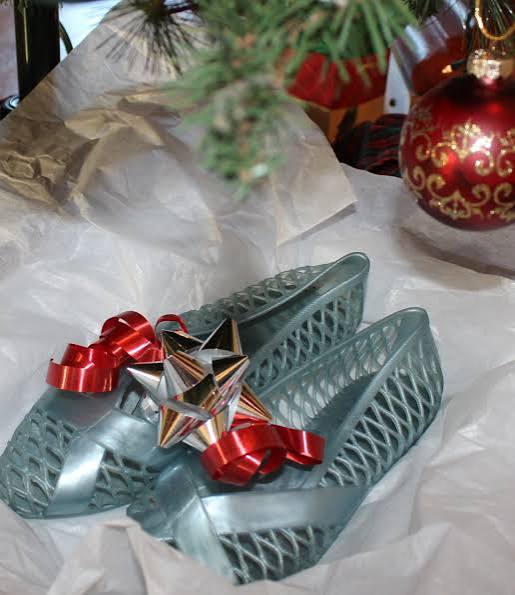
Two Guys Dyeing Shoes in a Kitchen Sink
In 1980, a Brazilian émigré named Tony Alano and a Frenchman named Nicolas Guillon were living in Paris when they noticed something worth stealing an idea from: the cheap, waterproof PVC sandals worn by fishermen, a style originally produced by a French firm called Sarrazienne back in the 1950s. Rather than design something new, they bought up used pairs of those fishing sandals secondhand, mixed custom dye with the help of Tony’s chemist brother, and got to work in the most unglamorous production facility imaginable: their own home, according to a detailed history compiled on Wikipedia’s jelly shoes entry. They dyed the shoes in the kitchen, dried them in the bathroom, and packaged the finished pairs in the living room.
So Was It Really an Accident?
Not exactly, and it’s worth being precise about that. Alano and Guillon weren’t chemists who stumbled onto a new plastic formula through a lab mishap the way CorningWare’s Pyroceram came about. PVC fishing shoes already existed, Sarrazienne had been making them for decades, and the pair’s real innovation was almost entirely about styling: buying discarded work shoes and reimagining them in colors nobody had put on a plastic sandal before. What made it feel accidental was the sheer improvisation of the whole operation: no factory, no design studio, just two guys and a chemist brother turning cast-off fisherman’s footwear into something a Paris boutique would actually stock. WorthPoint’s collector history traces a related account of the founders spotting the style on a Brazilian fisherman while on vacation, which lines up with the idea that this was less a laboratory breakthrough than a couple of guys with a genuinely good eye for a shoe nobody else had bothered to look twice at.
From Paris Sidewalks to Bloomingdale’s Sales Floor
The shoes started selling in Parisian boutiques for 60 to 140 francs, several times what the plain fishing-shoe version cost at a supermarket, and the markup held because the color and shine were doing something the original utilitarian design never attempted. Designers Thierry Mugler and Jean-Paul Gaultier began putting them into runway looks around 1982 and 1983, French fashion magazines picked it up from there, and the momentum crossed the Atlantic fast: in 1983, Bloomingdale’s in New York placed an order for 2,400 pairs. Sales reportedly grew twentyfold within about a year of that first American push, according to the same Wikipedia account, and WorthPoint separately notes the shoes made their first documented American retail appearance at a Tennessee fashion trade fair in 1982, arriving as what it calls an instant phenomenon.
The Brazilian Factory That Took It Worldwide
Here’s where the story gets genuinely industrial. A Brazilian manufacturer called Grendene, founded in 1971 by twin brothers Alexandre and Pedro Grendene Bartelle, had already been building a business out of injection-molded plastic goods, including shoe soles, before it picked up the jelly shoe concept and began exporting it to more than 48 countries. Grendene had its own parallel footwear story too — in 1979 it launched a sandal called the Melissa Aranha after Pedro Grendene Bartelle noticed fishermen wearing simple strap sandals on the French Riviera, a detail that shows just how much of this entire category traces back to fishermen’s workwear getting reinterpreted by people who were not, in fact, fishermen.
The Original Company Barely Outlasted the Trend
Alano and Guillon’s original Jelly Shoes company didn’t survive its own success for long, shutting down in February 1986, only about three years after the Bloomingdale’s order that made it a household name. The style itself didn’t die with the company — it went dormant through most of the 1990s before resurfacing around 2000, when luxury houses started putting their own names on the same basic PVC silhouette, proof that a shoe built from someone else’s discarded fishing sandals could still end up on a designer’s runway twice.
A Fishing Boot’s Second Life
Every summer that jellies come back into fashion rotation, they’re carrying the same DNA as a pair of waterproof work boots that two guys once bought secondhand, dyed by hand in a kitchen, and sold for six times the price.

Leave a Reply