

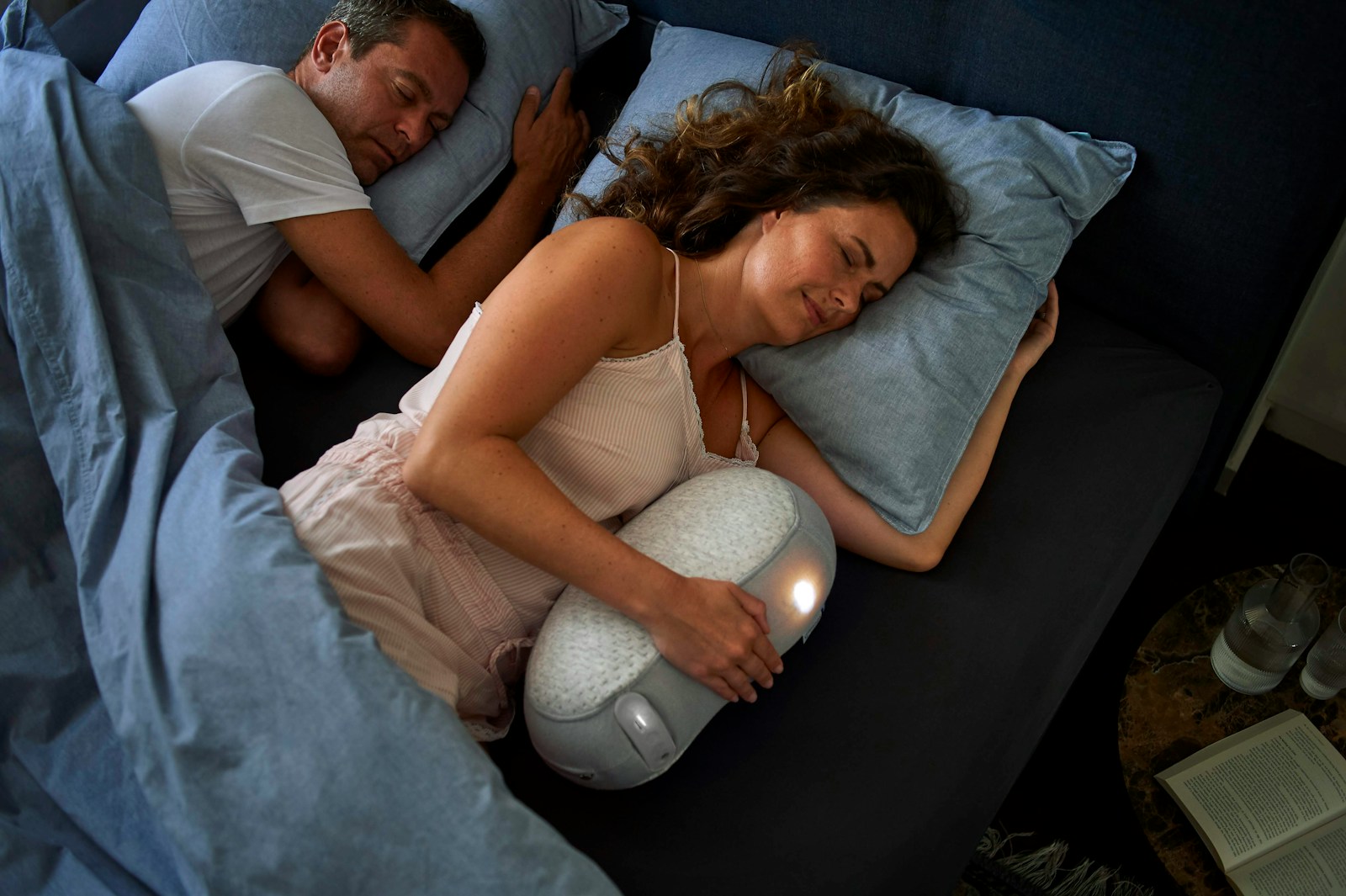
A woman has turned to the internet for advice after a communication breakdown with her husband about their differing sleep habits has left her feeling trapped in a cycle of frustration and misunderstanding. Married for 17 years, she details her struggles with falling asleep while trying to accommodate her husband’s evening routine, which often keeps her awake longer than she would like.

The woman describes herself as a recovering night owl who now finds it difficult to stay up late. She tries to go to bed around 10 PM to maximize her much-needed sleep, but her husband takes issue with this. He often jokes that she is “abandoning him” when she opts for earlier bedtimes, creating a tension between their differing sleep schedules.
When her husband does finally come to bed—usually after reading or scrolling on his phone with the lights on for up to an hour—she struggles to drift off. She has tried various solutions to block the light, including sleep masks and pillows, but none have worked. Her husband insists that the light is not bright enough to prevent her from sleeping and feels she should adjust to the situation. This disagreement leaves her waiting until he turns off the light before she can finally fall asleep, often around 1 AM, while he comfortably settles into a peaceful sleep immediately.
In the morning, their routine continues to clash. Her alarm goes off at a time that interrupts his sleep, which he despises. While she hits snooze out of necessity, he complains that the interruptions break up his slumber, which he believes he deserves after a long night. She averages about six hours of sleep while he enjoys a full nine, leading her to question whether her sleep habits are reasonable or if she’s being unreasonable.
She confesses that she sometimes feels gaslit, especially when her husband’s comments about how she “keeps them up late” echo in her mind. Despite her efforts to communicate and compromise, he doesn’t seem to acknowledge the impact of his actions on her ability to get sufficient rest. The woman is uncertain if her perspective is skewed due to her mental health struggles, which have made it difficult for her to navigate conflicts and identify when she is in the right.
One reader noted that it is crucial for couples to respect each other’s sleep needs. They pointed out that both partners should work together to create an environment conducive to sleep, suggesting that a mutual understanding is key. Another reader emphasized that it is important for the husband to recognize his role in the situation, as keeping the lights on while his partner struggles to sleep is not a supportive behavior.
She explained her conviction that having her alarm break up her husband’s sleep is drastically different from being kept awake by his light. “I should know his comments are his way of joking,” she writes, but after many years together, the jokes have lost their humor. She feels she is trying her best to find a solution but receives little support or understanding from her husband.
The woman clarified that she’s not seeking an exit from the marriage but rather a workable plan that respects both their needs. Her doctor has advised her that lack of sleep could exacerbate her existing medical issues, prompting her to pursue a resolution. Despite the tension, she wants to avoid drastic measures, such as sleeping separately, for fear of being labeled as excessive or dramatic.
As the woman reflects on her situation, she wonders whether her husband’s response to her effort to find a balance stems from misunderstanding or a lack of empathy. The disparity in their sleep needs is a clear source of contention, and although she has suggested various adjustments, her husband remains resistant to any meaningful change.
As she continues to seek advice, she grapples with the memories of their early years together, when late nights spent gaming seemed effortless and natural. Now, as they navigate middle age and the stresses of family life, the clash of their sleep routines has become a source of stress rather than connection. The couple’s ongoing struggle raises questions about how partners can support each other in their individual needs while also trying to maintain the closeness that once came easily.
More from Vinyl and Velvet:

Leave a Reply