

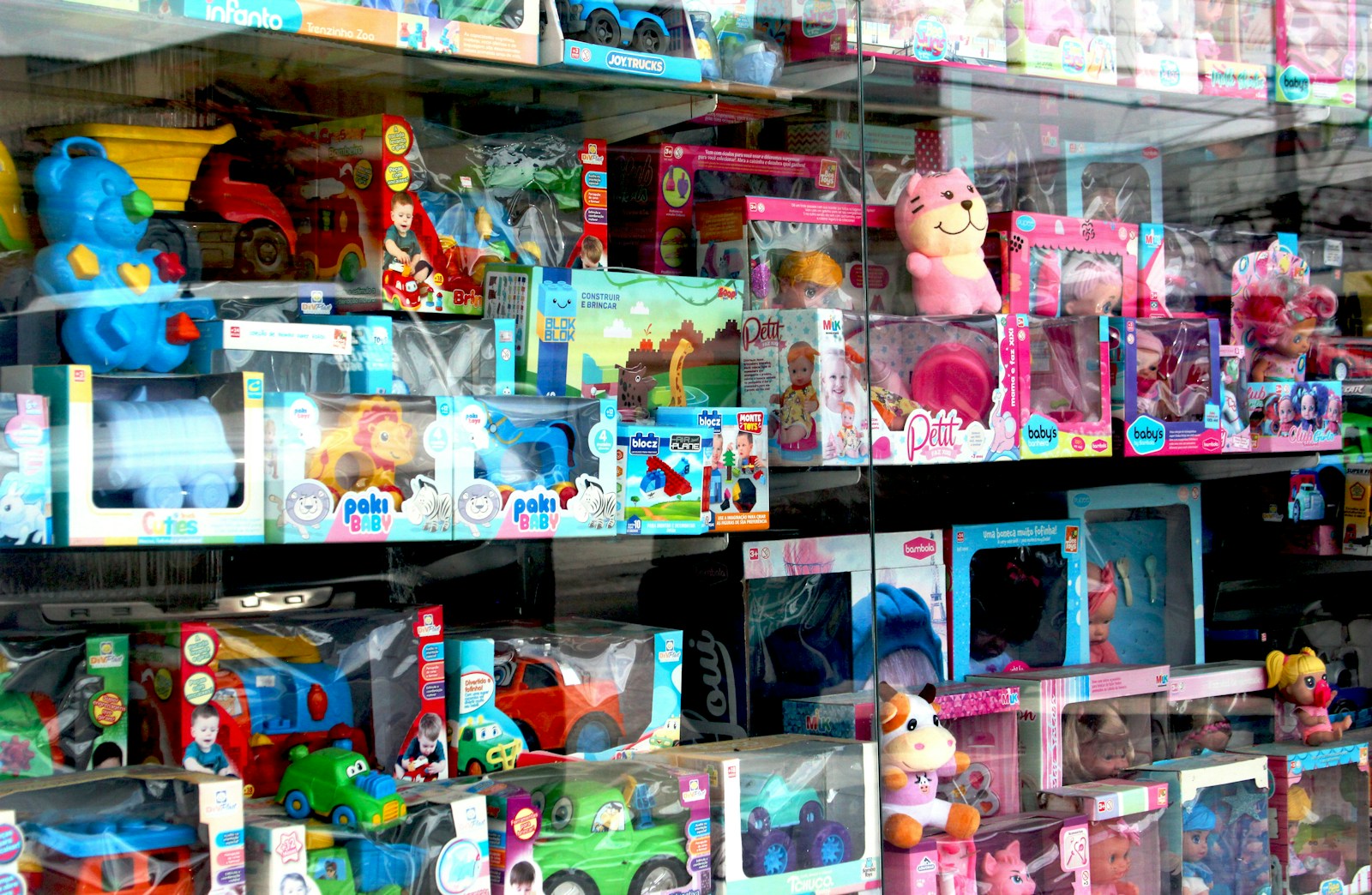
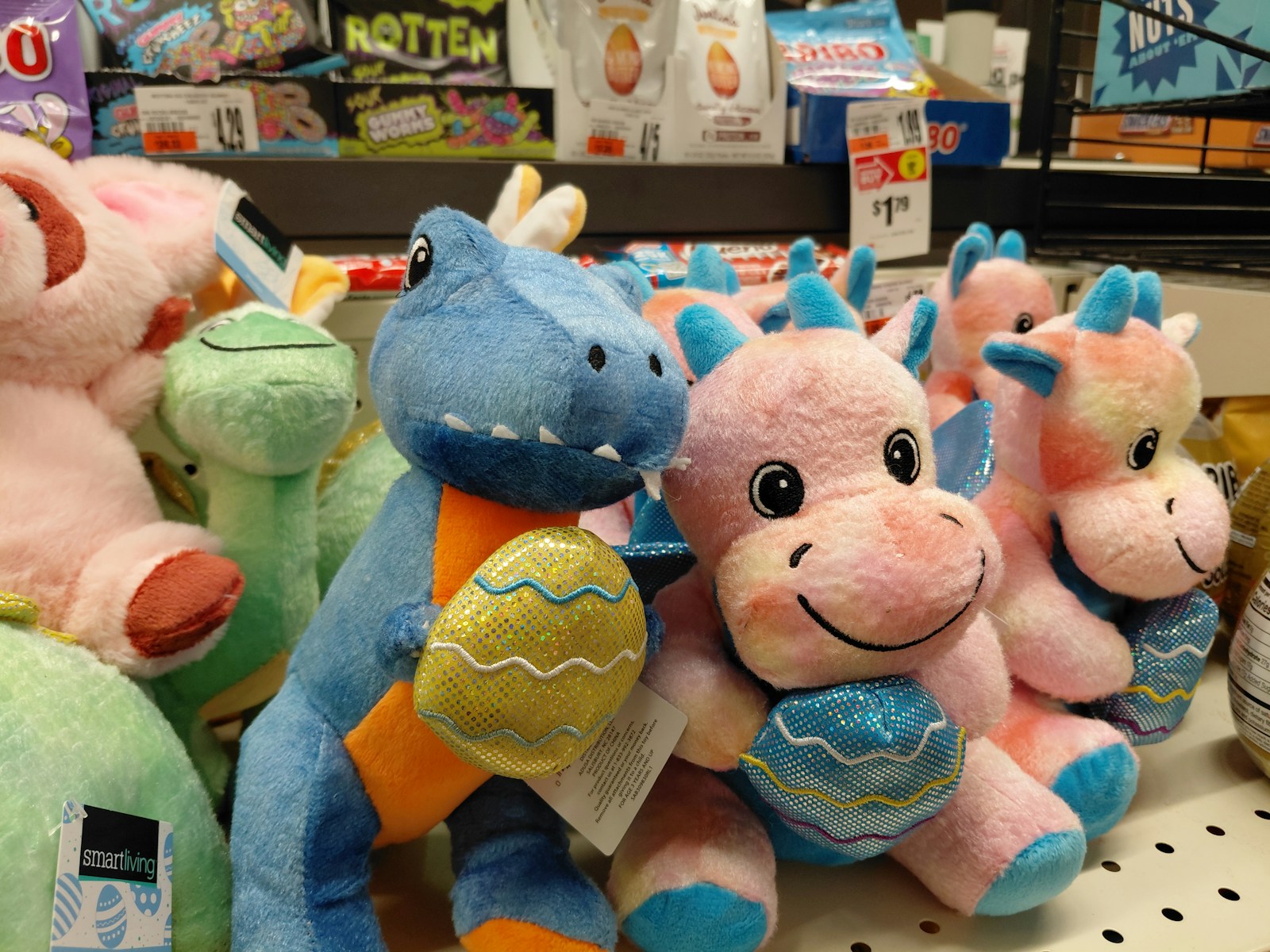
There is a particular pull that a toy aisle exerts on adults who thought they had long outgrown it, and @_shhacc1 captured that exact feeling in a quick, first person walk through a department store toy section. The video is simple by design: no dramatic reveal, no big purchase, just an honest admission that even as a grown adult, she still cannot resist stopping by the toy aisle whenever she happens to be in the store, a habit plenty of viewers immediately recognized in themselves.
That honesty is really the entire point of the video. Rather than performing surprise or manufacturing a reason to be there, the creator simply lets the camera capture what actually happens when she walks past a toy section: she stops, she looks, she lingers, exactly the way she likely did decades earlier as an actual kid pulling a parent toward the same kind of aisle in a different store. The post leans entirely on that simple, relatable pull of nostalgia rather than needing any bigger hook to land with viewers.
@_shhacc1
What makes a video like this one connect so widely is how universally recognizable the impulse is. Almost everyone who grew up going to a department store has some memory of the toy aisle specifically, whether it was the section they begged to visit first, the place a parent used as a bargaining chip for good behavior, or simply the part of the store that felt the most exciting compared to everything else on the shelves. That the pull of it never fully disappears, even decades into adulthood, is something most viewers instantly recognize without needing it explained.
Toy aisles occupy a specific kind of psychological real estate for a lot of adults precisely because they are frozen, at least visually, somewhere between the products currently on shelves and the childhood memories those categories evoke. Even when the specific toys have changed, entirely new franchises and characters replacing whatever dominated shelves decades earlier, the general layout, colors, and sensory experience of a toy aisle remain remarkably consistent across generations, which is exactly why the feeling of walking through one can trigger such an immediate, involuntary wave of nostalgia.
That involuntary nostalgic pull is part of a broader, well-documented psychological pattern around sensory memory, where a specific environment, sound, or visual layout can trigger emotional associations tied to childhood far more powerfully and immediately than a deliberate attempt to recall the same memory ever could. Retailers have long understood this dynamic on some level, which is part of why toy sections in many stores have changed relatively little in their basic sensory experience even as the specific products on the shelves have cycled through constantly.
For anyone who recognizes this exact habit in themselves, there is genuine value in simply embracing it rather than feeling self-conscious about it. Psychologists who study nostalgia generally agree that engaging with it in small, harmless doses, like lingering a little longer in a toy aisle out of simple curiosity or fondness, is associated with genuine emotional benefits, offering a low-stakes way to reconnect briefly with positive childhood memories without requiring any actual purchase or elaborate ritual to unlock that feeling.
Ultimately, a video this simple works precisely because it does not try to be anything more than what it is: an honest, funny, and deeply relatable admission that some childhood habits never really go away for good. The toy aisle does not need a new toy in hand to work its magic on a grown adult passing through; sometimes just the act of walking down it, camera rolling or not, is enough to prove the pull was never really about the toys themselves so much as the feeling they represent.
It is also worth noting how differently this same pull shows up once someone becomes a parent themselves, when a trip down the toy aisle stops being purely nostalgic and starts doubling as genuine research into what a child in their life might actually want, proving that the aisle’s hold on adults rarely disappears completely, it just quietly changes shape over time.
There is also a kind of quiet comfort in knowing an aisle like this one will likely still be there the next time nostalgia strikes, largely unchanged in feeling even as the specific toys lining its shelves inevitably rotate out and get replaced by whatever the next generation of kids will eventually look back on fondly themselves.
For readers who recognize this same pull in themselves, there is no real need to resist it, since a quick, harmless detour through a familiar toy aisle costs nothing and, based on how widely relatable this video has proven to be, is clearly far from a habit unique to any one person.
It is a small, low-stakes indulgence in a culture that often pushes adults to leave childhood things behind entirely, and videos like this one make a quiet, convincing case that there is no real reason to.
In the end, the video works because it asks nothing of the viewer except recognition, and for anyone who has ever slowed down walking past a toy aisle themselves, that recognition comes instantly.

Leave a Reply