


A young boy in his neighborhood had his prized possession taken from him when a girl snatched his bike right out from under him. The bike, described as a “sick ass” ride with flashy blue tires and an eye-catching design, was a source of pride for the boy, who cherished it dearly.
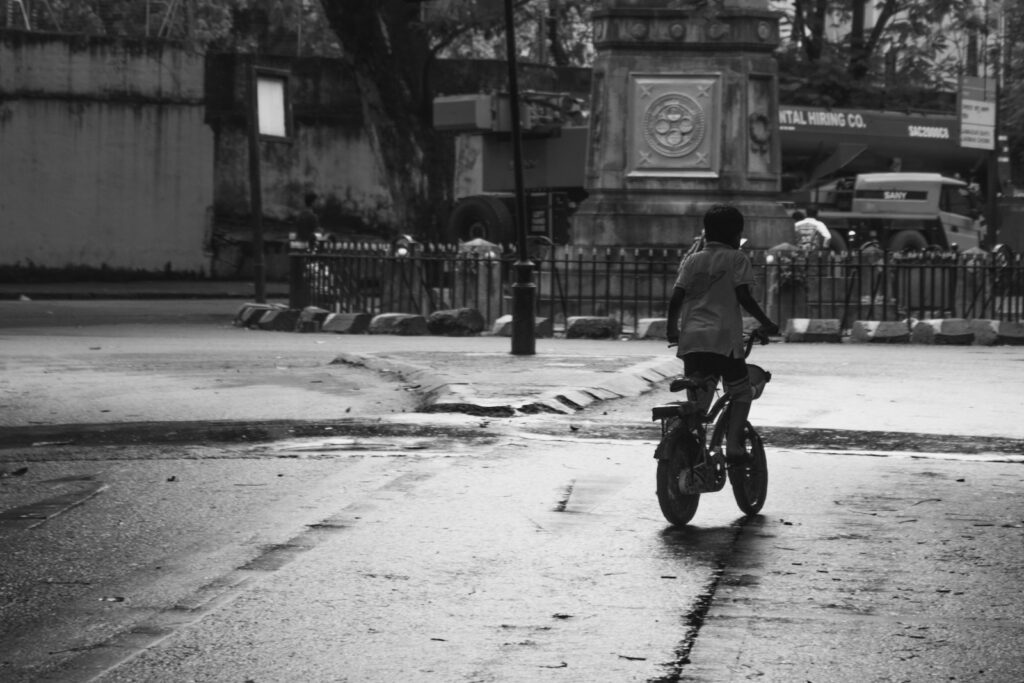
While riding it one day, he was pushed off and had his bike stolen by a girl he knew. The incident left him shocked and upset. He rushed home to his mother to report the theft, expecting support and guidance to reclaim his bike.
Just minutes after he shared his troubling news, the girl’s mother arrived at their door, but not with the expected apology or intention to return the bike. Instead, she launched into a loud tirade, insisting that her child had every right to use the boy’s bike and that they would not be giving it back.
The boy’s mother tried to remain composed as the other woman raged, calmly asserting that the bike belonged to her son. But the girl’s mother was undeterred, continuing to scream and even getting in the boy’s mother’s face while waving her unkempt fingers. The scene quickly escalated as the yelling echoed through the neighborhood.
Despite the chaos, the boy’s mother stood her ground. She aimed to resolve the conflict without further escalation, but the girl’s mother wasn’t interested in reason. Instead of addressing her daughter’s wrong actions, she chose to confront the boy’s family as if they were in the wrong.
As the confrontation wore on, hope dwindled for the boy. It seemed increasingly likely that he would never have his beloved bike returned. The memory of the bike and what it represented—a rare item he cherished in an otherwise modest household—made the loss even more painful. The incident left a bitter mark on the young boy, who thought about the bike often.
This type of scenario resonates with many parents who have dealt with entitled attitudes from other children and their guardians. The feeling that rules and respect for ownership often break down in such confrontations is all too familiar for many in similar situations.
Some readers empathized with the boy and his mother, with one person reflecting, “It’s infuriating how some parents are ready to defend their child no matter what, even when they know their child did something wrong.” This highlights the tension that often arises in disputes involving children and parental responsibility.
Another reader suggested, “The mother should have taught her daughter not to take things that aren’t hers, instead of blaming the other kid.” This sentiment underscores the importance of teaching kids about respect for others’ property and the repercussions of their actions.
What remains unsettling in the story is the mother’s refusal to acknowledge her child’s wrongdoing. Instead of fostering accountability, she escalated the situation, allowing the theft to go unaddressed. This dynamic raises questions about how children learn and grow when their actions are not appropriately challenged.
As time passed, the boy never saw his bike again. Growing up poor meant that such cherished items were hard to come by, making the loss resonate even deeper. The bike was more than just a mode of transport; it was a symbol of joy, freedom, and childhood adventure that was suddenly stripped away by another child’s selfishness and an enabling parent.
In light of this experience, the boy was left with a powerful lesson about the harsh realities of childhood friendships and the complexities of navigating conflicts with peers. The emotions surrounding the event lingered, influencing how he perceived fairness and justice in his world. It served as a stark reminder of the importance of teaching children about respect and consequence.
Ultimately, the boy’s experience with his bike theft highlights an all-too-common issue in childhood relationships. The principles of ownership and accountability are crucial lessons that can shape how young people interact with each other and learn to navigate their social environments.
Even years later, the boy reflects on the loss of his bike and the unresolved conflict that arose that day. The incident inspired lingering thoughts about fairness and how those who are in the position to teach their children should hold them accountable and encourage empathy for others.
More from Vinyl and Velvet:

Leave a Reply