

Bidding opened at just $35. When the hammer fell, a giant Leica prototype lens that turned up at a Goodwill in South Dakota had sold for $20,001, according to Digital Camera World.
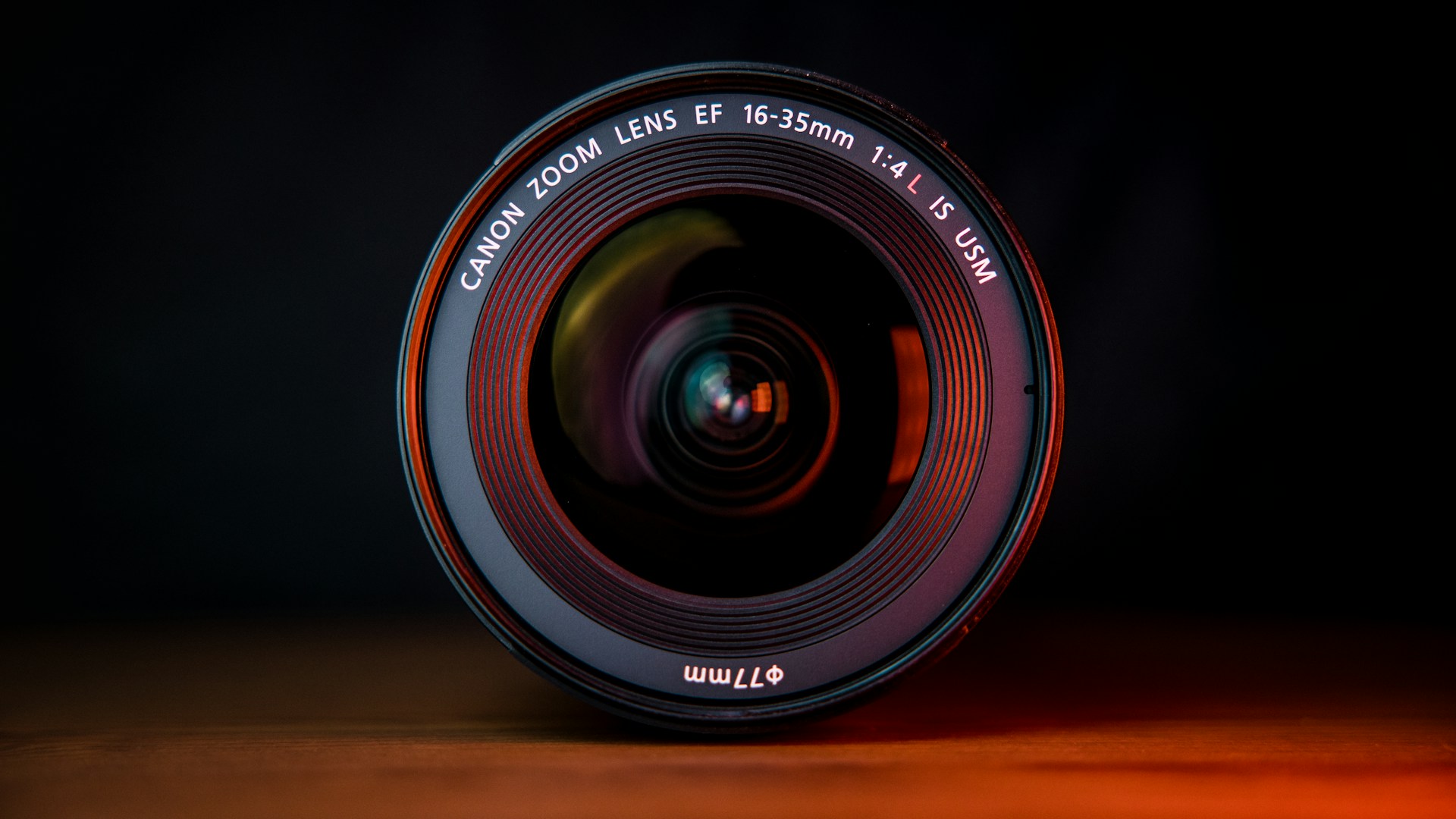
The lens is a Leica / Hughes Leitz 17mm f/2 fisheye, and it weighs about 26 pounds, or 12kg. That is not a lens that slips into a coat pocket.
A Thrift Store Shelf In Sioux Falls Held A Camera Collector’s Dream
The lens was discovered at Goodwill of the Great Plains in Sioux Falls, South Dakota, and sold through a charity auction run by the nonprofit. It is believed to be one of only a handful of examples ever produced.
Digital Camera World says that while rare Leica cameras and lenses regularly fetch extraordinary prices at specialist auctions, finding something this significant at Goodwill is not something you see every day.
The jump from the $35 opening bid to $20,001 is the sort of result thrifters dream about. The opening price is the lowest anyone could bid, and competition did the rest.
Built For Industry, Not For A Leica M
This is not the kind of lens a hobbyist would mount on a Leica M. It was manufactured in Canada by Hughes Leitz Optical Technologies and was reportedly developed for Electrosonic, a company that specializes in audiovisual technology and installations.
Digital Camera World explains that the Hughes Leitz name dates to 1990, when Hughes Aircraft acquired Ernst Leitz Canada. The business was sold to Raytheon in 1997, which places the lens somewhere inside that seven-year window.
It is a piece of Leica’s lesser-known history, tied to a time when the famous German optical name was part of a larger industrial deal.
163 Degrees Of View And No Way To Focus
The specs are as unusual as the size. The fisheye offers a 163-degree field of view, and its f/2 design has fixed focus and no adjustable aperture diaphragm.
That makes it very different from the lenses photographers use today. Digital Camera World says this optic was designed for specialist industrial or projection applications, where an extremely wide view was essential.
In other words, this was made for big installations and projection work rather than for taking snapshots at a family picnic.
Sold “As Is” To A Bidder Willing To Take The Chance
The lens was offered in “as is” condition, which is how many thrift stores and charity auctions sell items. A buyer pays for the object itself, and the seller makes no promises about how it performs.
The Digital Camera World writer notes that, considering the rarity and the far higher asking prices of earlier examples, the winning bidder may have secured something special. Even so, it was a bold bid on a lens that arrived from a thrift floor.
Earlier Examples Asked For Much More
Here is why buyers took notice. Back in 2021, Leica Store Lisse in the Netherlands offered what was believed to be a one-of-a-kind example for approximately $47,200, and another listing appeared on eBay in 2018 for around $24,500.
That 2021 example was covered at the time by Digital Camera World, which described a 12kg prototype with a starting price of 40,000 euros. Seen next to those asking prices, a $20,001 result is a lower price tag for a piece of the same family.
The Goodwill lens appears almost identical to the earlier one, but its identification number, C530-0004, differs from the earlier C530-0007 example. That suggests at least two were made.
A Reminder Of What Can Turn Up At Charity Sales
The Digital Camera World writer says the part he finds most fascinating is that such an extraordinary piece of Leica history found its way into a charity auction rather than into the hands of a specialist camera dealer or collector.
It goes to show that even in today’s world of online auctions and specialist collectors, there are still remarkable photographic treasures waiting in unexpected places.
Why The Sale Struck A Nerve With Camera Fans
Camera enthusiasts love a mystery, and this lens has several. It has an enormous size, a link to an audiovisual company, a brand name that was only used for a short stretch of years, and a serial number that points to more than one copy.
Add the thrift-store setting and a $35 starting bid, and it is easy to see why the story traveled well beyond photography circles. Everyone likes to imagine the lucky find on an ordinary shelf.
How Thrifters Can Spot A Sleeper
You do not need to be a camera expert to give odd objects a second look. Heavy glass, unusual markings, serial numbers and the names of manufacturers are all worth a quick search on your phone before you put something back on the shelf.
Serial numbers mattered in this very story, because they helped show how this lens related to the earlier examples. If something looks industrial, oversized or strangely specific, a few minutes of research could be the difference between a $35 find and a $20,001 surprise.
And if you do find something unusual, a charity auction or a specialist dealer can help you work out a fair price. Keep the receipt, take clear photos and keep the item in its original state.
More Stories You May Like
- Mid 90s Goosebumps Board Game Let A Skull Dropped Down A Plastic Chute Decide Who Won, One Of The Creepiest Halloween Games Of The 90s Kids Forgot
- Walmart Went From Blue To Light Gray To Dark Gray While Taco Bell And McDonald’s Lost Their Color, So Has The World Really Lost Its Color
- Old Money New England Home Built In 1808 Has At Least Four Grandfather Clocks, And Its Faux Painted Marble Floor Is The Host’s Biggest Skip

Leave a Reply