

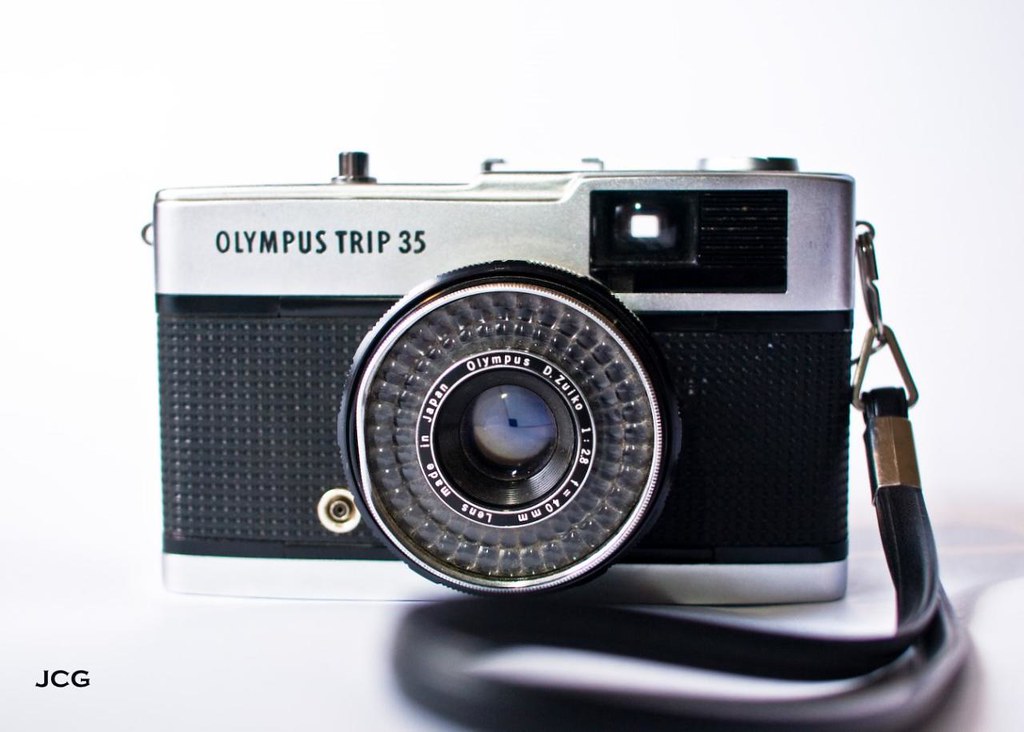
More than a third of the world’s active film camera users are now between 18 and 30 years old, a demographic that barely existed as camera buyers when digital sensors made 35mm functionally obsolete two decades ago. That single statistic explains a lot about why the compact point-and-shoot cameras that used to sit untouched in thrift-store display cases are now getting picked over fast. Film photography isn’t a fringe curiosity anymore. It’s a documented, data-backed consumer shift, and secondhand shops are where most of that demand has to land, because almost none of these cameras are being manufactured new.
The Numbers Behind the Revival
An estimated 35% of the 42 million active film camera users worldwide fall between ages 18 and 30, according to reporting by Fortune on the film camera market’s resurgence. That’s corroborated from a different angle by Ilford Photo, the film manufacturer, whose 2024 survey of film photographers found more than 30% of respondents were between 25 and 34, according to a summary of that survey published by The Conversation and written by Rotem Rozental, a lecturer in critical studies at the University of Southern California’s Roski School of Art and Design and executive director and chief curator of the Los Angeles Center of Photography. Online searches for analog photography rose 41% year-over-year in 2024, per Fortune’s reporting, and disposable camera sales have been climbing steadily since 2023.
The photography trade itself is registering the shift. PetaPixel, the photography industry journal, called 2024 “film’s best year in decades,” citing major manufacturers reviving discontinued models and introducing new ones to meet demand, according to Fortune’s account of that assessment. The Los Angeles Center of Photography hosted its first-ever AnalogCon in April 2026, an event built entirely around film photography, also reported by Fortune.
Why Secondhand Is Where the Demand Lands
The connection to thrift shelves is direct. Outside of a handful of new disposable cameras and a small number of reissued or newly manufactured models, almost no one makes 35mm point-and-shoot cameras anymore. The compact autofocus cameras that defined casual photography from the late 1980s through the early 2000s — the kind that sat in a junk drawer or a donation box for twenty years — were never going back into production. When demand for that specific object spikes the way Fortune and The Conversation both describe, the only real supply is whatever’s already sitting on secondhand shelves, in family closets, or in estate sale boxes. There’s no factory restocking that category.
It’s Not Just Cameras
Rozental’s piece for The Conversation places the camera trend inside a broader pattern of young people choosing physical, tangible media over digital defaults. Nearly 60% of Gen Z are now purchasing vinyl records, and U.S. vinyl sales crossed the $1 billion mark in 2025, according to that reporting. Students are printing photos, building physical albums, and sending postcards and letters — habits that put “film camera” in the same basket as “turntable” as a category young shoppers are actively willing to hunt secondhand for, rather than buy new and disposable.
What’s Actually Disappearing First
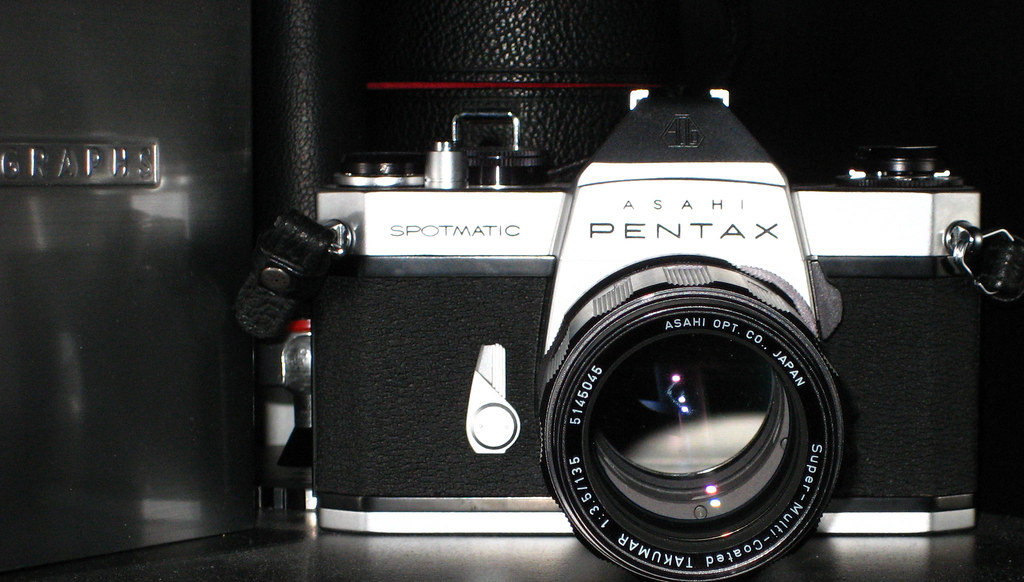
Point-and-shoot 35mm cameras are the specific object at the center of this, for a simple practical reason: they’re the easiest entry point. A basic point-and-shoot doesn’t require learning manual exposure settings the way an SLR does, doesn’t need the battery grip or light meter troubleshooting that comes with older mechanical cameras, and costs a fraction of what a working vintage SLR with a decent lens now goes for. That combination — genuinely mass-produced, genuinely simple to use, and no longer manufactured — is exactly the profile of object that clears out of a thrift store’s electronics or camera bin first and stays cleared out.
The pattern connecting all of this is straightforward even if the culture around it isn’t: a generation that grew up entirely digital is choosing an analog process specifically because it’s slower and more limited, and the only place that process can be resupplied from is exactly where it always ends up — a bin of somebody else’s old cameras.
That’s a very different situation from most nostalgia-driven thrift trends, which tend to ebb once a look falls out of favor on social media. A worn pair of jeans or a graphic tee can be replaced by manufacturers the moment demand returns. A discontinued point-and-shoot camera can’t. Every one that sells at a thrift store today is one fewer that exists tomorrow, which is the actual mechanism behind shelves emptying out rather than just restocking slower.

Leave a Reply