

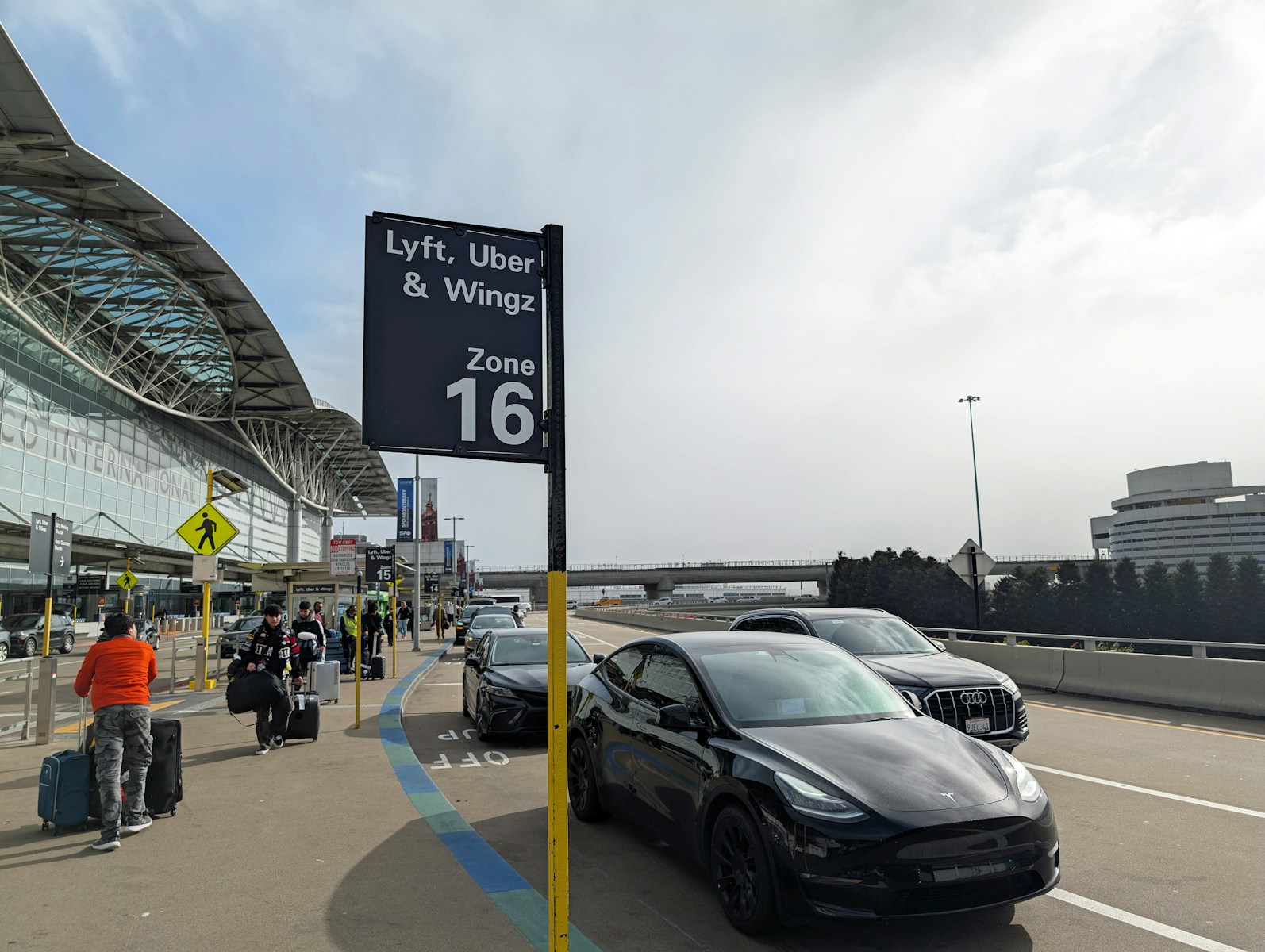
A 28-year-old man recently found himself in an uncomfortable situation involving a long-time friend and an unexpected request for payment. He asked his friend to drive him to the airport, about 60 miles each way, totaling 120 miles for the trip. Instead of agreeing to help as he had done many times before, the friend sent a text asking for $100, leaving the passenger feeling blindsided.

The two men have been friends for 18 years, sharing countless experiences over the years. Typically, he has been the one to drive them on various outings, often covering gas and expenses without expectation of repayment. In fact, there have been instances where his friend forgot cash entirely during their adventures, and he stepped in to pay for everything without seeking reimbursement. This has made the recent request feel particularly jarring for him.
As he was boarding the plane, he received the text with the price tag attached. The timing of the message, coming just as he was preparing for his flight, added to his frustration. Previously, he had assumed that their long friendship would mean they would always support one another, especially for minor favors like a ride to the airport.
After years of giving favors freely, it felt like a betrayal to suddenly be asked for money. He rarely asks for favors and had expected the same understanding in return. To him, it was not just about the cash, but the principle behind it. He expressed in a Reddit post how taken aback he felt, believing that friends should help each other without keeping score.
In the post, he described how he always thought they had each other’s backs. He had never once asked for money when performing similar acts of kindness. The fact that his friend decided to put a price tag on the favor introduced an uncomfortable dynamic that he hadn’t anticipated. Many readers who chimed in echoed his sentiments, stating that it was indicative of a deeper issue in their friendship.
Responses varied, with some urging him to confront his friend about the change in their relationship dynamic. One reader pointed out that friendships are often built on mutual trust and respect, and such a request might signal a shift in how they view each other. Another suggested that the friend may not fully appreciate how supportive he has been over the years, assuming that reciprocation should always be measured in dollar signs.
As the situation settled, he started to ponder whether this marked a turning point in their friendship. Could he still consider this person his best friend? Or did the request for payment indicate a lack of understanding of their shared history? The emotional toll of the situation weighed heavily on him as he thought about the years they spent as close friends.
Despite the escalating tension, he remained uncertain about how to approach the matter. Should he confront his friend about the text and the implications it raised? Or should he let it slide, hoping this was simply a moment of poor judgment rather than a sign of things to come? The complexity of their friendship hung in the air, and he found himself at a crossroads.
As he prepared to take his flight, he couldn’t help but feel torn. The easy-going nature of their friendship now felt complicated by financial considerations. The sense of loyalty and trust that once underscored their bond felt frayed, leaving him questioning what it truly meant to be friends.
More from Vinyl and Velvet:

Leave a Reply