

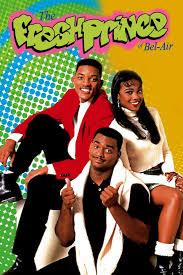
Forty-four days after Will Smith stood in an empty mansion foyer and said goodbye to a fictional Bel-Air family, he was fighting off an alien invasion in the highest-grossing movie of the year. That’s not a coincidence of pop-culture memory — it’s a calendar fact. The Fresh Prince of Bel-Air aired its series finale, “I, Done,” on NBC on May 20, 1996, closing out 148 episodes and six seasons that began on September 10, 1990. Nielsen recorded 19.9 million viewers for that final broadcast, a number modern network sitcoms rarely see even at their peak, let alone at their exit.
What 19.9 million actually meant in 1996
Put that figure next to today’s television landscape and the gap is stark: a series finale pulling nearly 20 million same-night viewers would be treated as an outright cultural event now, the kind of number reserved for a handful of live sports broadcasts a year. In 1996, it was a strong finish for a sitcom in its final stretch — respectable, not record-breaking, evidence that the show still had a real audience after six years rather than one limping to the exit on nostalgia alone. NBC’s Thursday and Monday sitcom lineups of the era were built on exactly this kind of dependable, multi-million-viewer base, and Fresh Prince closing out at 19.9 million meant it left the schedule roughly as strong as it had run for most of its life.
The finale leaned hard into the emotional weight the show had built across six seasons — particularly Will’s relationship with his uncle Phil, the family patriarch who had effectively become the father figure Will’s own absent biological father never was. That storyline had been running since the pilot, which is part of why the finale’s final scene, of Will alone in the empty mansion turning off the lights room by room, became one of the more quoted sendoffs of 1990s network television rather than a forgettable capstone tacked onto a sitcom’s last week.
A launching pad, timed almost too perfectly
The finale’s real historical weight comes from what happened immediately after it. Smith had already built film credibility with Bad Boys in 1995, but the true turning point landed just six and a half weeks after Fresh Prince signed off: Independence Day opened in US theaters on July 3, 1996, and went on to gross $817.4 million worldwide, making it the highest-grossing film released anywhere in the world that year and, at the time, the second-highest-grossing film in history behind only Jurassic Park. A television star who had spent six years playing a fictionalized version of himself on NBC became, within two months, the face of the biggest movie on the planet.
That timing wasn’t purely coincidental — Smith had been building toward a film career throughout the show’s later seasons, taking movie roles during hiatuses rather than waiting for the series to end. But the closeness of the two dates is still striking on paper: a sitcom finale watched by 19.9 million people in May, followed by a summer blockbuster watched by tens of millions more in theaters before July was out. Few actors have ever closed one chapter of stardom and opened a bigger one on a tighter schedule.
Six seasons, one number worth remembering
Nielsen’s ratings books from 1996 don’t get revisited often, but the Fresh Prince finale’s 19.9 million is a useful anchor point for just how differently television audiences behaved three decades ago — appointment viewing on a scale that a hit show could still hit reliably on a random Monday night, no streaming, no algorithm, just a broadcast schedule and a national audience that showed up. The mansion emptied out that night in the fiction. In the real numbers, the show left full.

Leave a Reply