

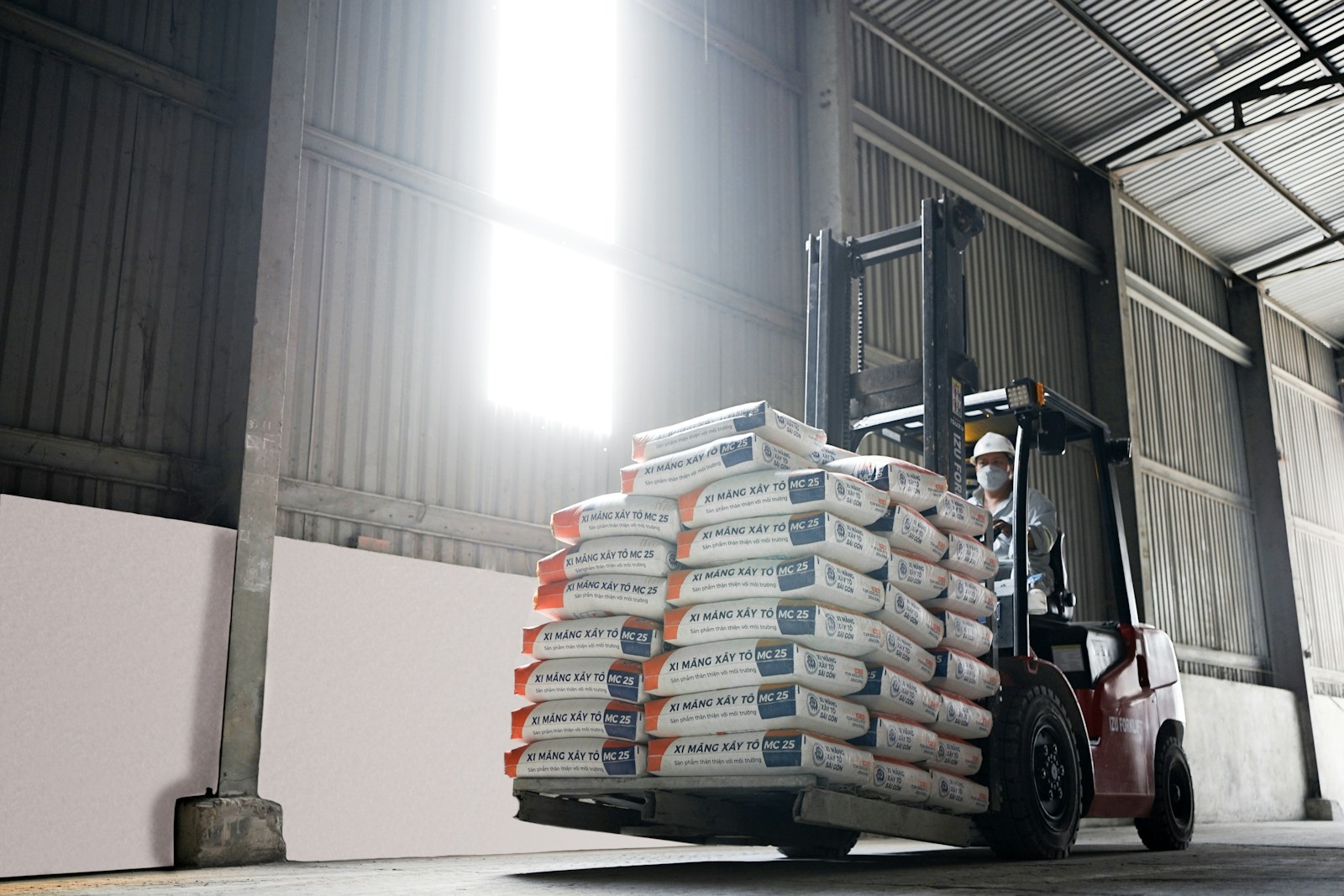
A new safety policy at a workplace aimed at ensuring that employees thoroughly check forklifts before use has unintentionally led to significant delays and a pause in the rollout of the initiative. This twist unfolded after one worker took the pre-check requirements seriously and faulted several forklifts, prompting management to reassess the policy.
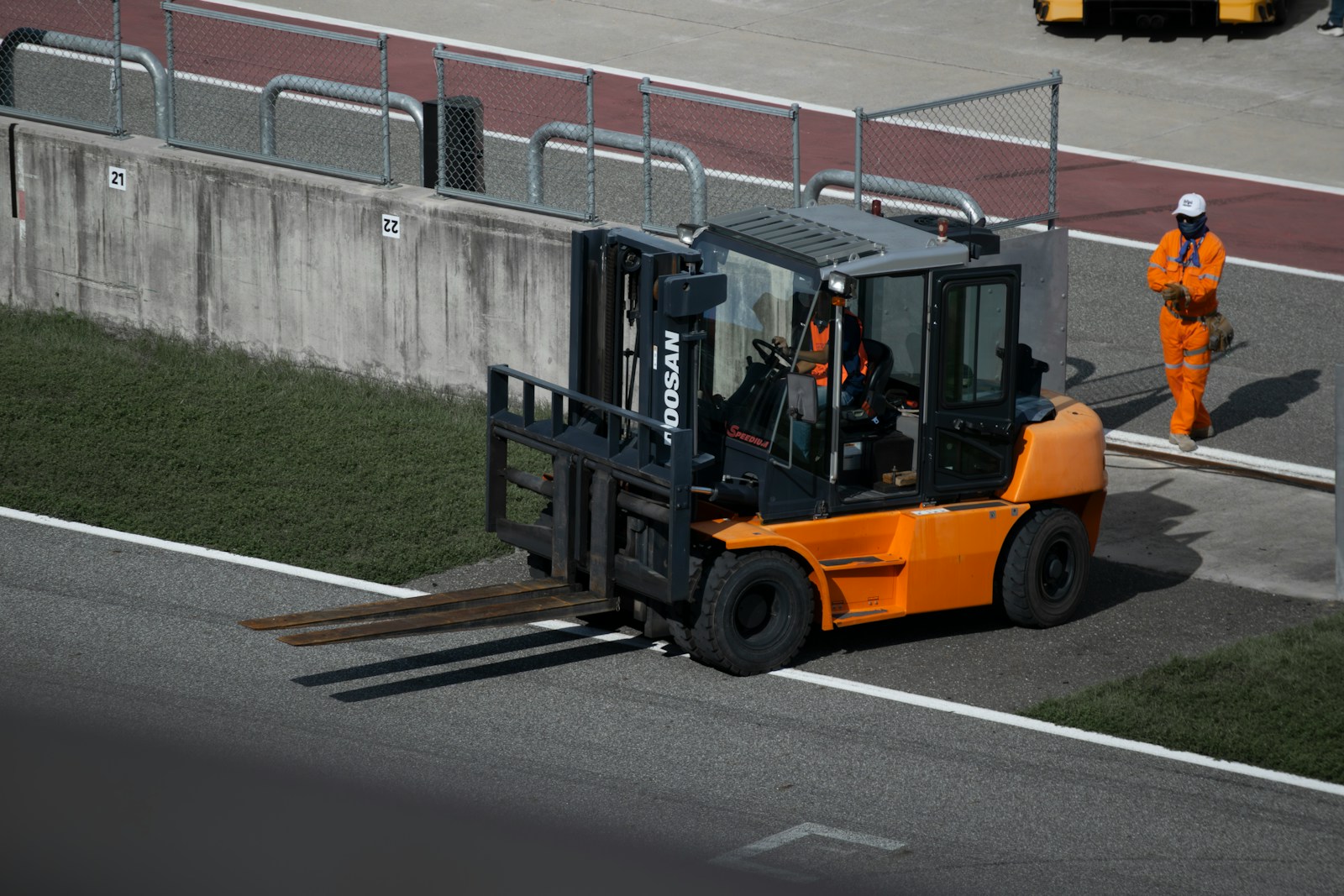
The story began on a Sunday morning when a worker, returning from a month-long break, was briefed by their supervisor about a recent policy change mandated by the Occupational Health and Safety (OH&S) department. Staff were now required to sign off on a checklist containing 35 safety items before operating any machinery. With no prior guidelines given on what to check, many were skeptical about the new policy.
The employee decided that if they were going to sign the paperwork, they would indeed verify each item listed on the checklist. Drawing on previous experience as a hydraulic technician, the worker meticulously examined every detail of the first forklift. However, within just 25 minutes, they discovered that a hose clamp was missing. This prompted the worker to apply a Lockout/Tagout (LOTO) procedure, ensuring the forklift could not be used until repaired. Not deterred, the worker moved on to the next forklift.
They encountered more issues. After spending 90 minutes on checks, four forklifts were found faulty, with problems ranging from non-functional park lights to other mechanical issues. While this thoroughness delayed the shift’s operations, it also set a benchmark that others took note of.
By Monday, word of the employee’s rigorous inspections had spread throughout the workforce, leading many to follow suit and inspect their own equipment. Several forklifts were found with issues, resulting in further delays as work areas came to a standstill due to a lack of operational machinery. Supervisors were seen running around, desperately trying to keep production on track while staff insisted on completing their pre-checks.
The situation intensified on Tuesday as multiple work areas halted operations for the checks. Managers, initially aloof, were drawn into the fray as more employees reported faulty equipment. As the situation escalated, discussions about the new policy and its implementation took center stage.
By Wednesday, it became evident that the rollout of the pre-check policy had taken a toll on productivity. Management announced a temporary pause in the initiative to address what they termed “teething issues.” Consequently, the thorough inspections that had become the norm were abruptly halted, leaving employees to wonder if the safety concerns were being seriously addressed.
Many employees voiced their thoughts on the sudden change in direction. One person noted that while safety is paramount, the chaotic implementation of new rules without proper guidance could be just as dangerous. Another reader pointed out that if the checks had been conducted from the outset, it might have prevented the need for the policy in the first place.
The humorous side of the dilemma did not go unnoticed. Some employees joked about how management’s push for safety had unintentionally led to a situation where everyone was keen on compliance, albeit at the cost of productivity. The situation illustrated the age-old tension between safety protocols and operational efficiency.
The productive yet chaotic aftermath of these inspections posed questions about best practices in workplace safety. While the goal was undoubtedly to enhance safety, the execution left much to be desired. The concerning aspect was not just the faults found but the apparent lack of a prepared strategy to implement such an extensive checklist of safety checks, risking both machinery and employee trust.
Despite the unintended consequences and the eventual pause of the policy rollout, the situation prompted conversations about the importance of thorough checks—reinforcing the notion that ensuring safety should not come at the expense of operational efficiency, nor should it be treated as just another checkbox exercise. What began as a routine safety measure morphed into a cautionary tale for management about the complexities of workplace safety implementation.
As of now, workers remain in limbo regarding the pre-check policy’s fate. The employee who triggered the checks still reflects on the whirlwind of events that unfolded, unsure whether this was a step forward or merely a temporary setback in safety culture.
More from Vinyl and Velvet:

Leave a Reply