

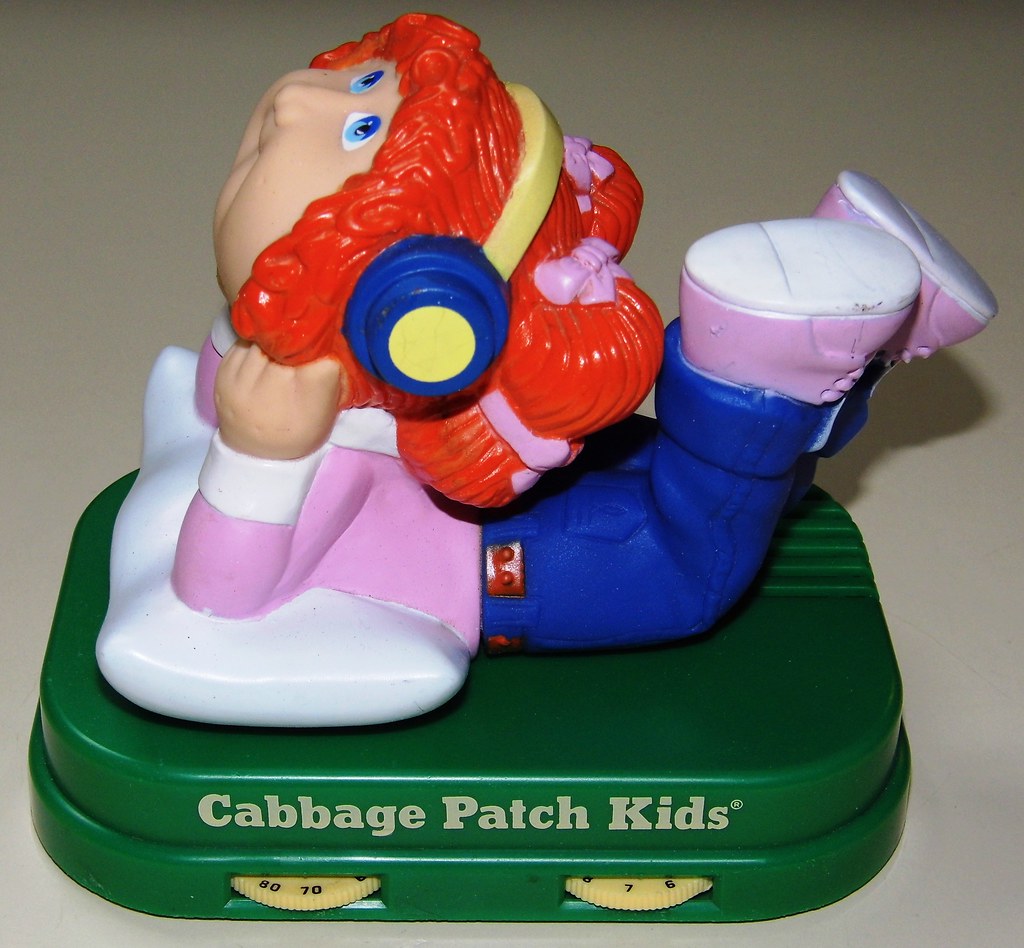
Five shoppers ended up in a Pennsylvania hospital in December 1983 because a factory in Hong Kong couldn’t sew fast enough. Coleco’s entire supply chain topped out at 2.5 million Cabbage Patch Kids that year, according to History.com’s account of the shortage — nowhere near enough for a country that wanted one under every tree. At a Zayre department store in Wilkes-Barre, roughly 1,000 people surged toward a shipment of just 240 dolls. It sold out in half an hour. By the time order was restored, five people needed medical attention, including one shopper with three cracked ribs and a broken leg.
A Factory That Couldn’t Keep Up
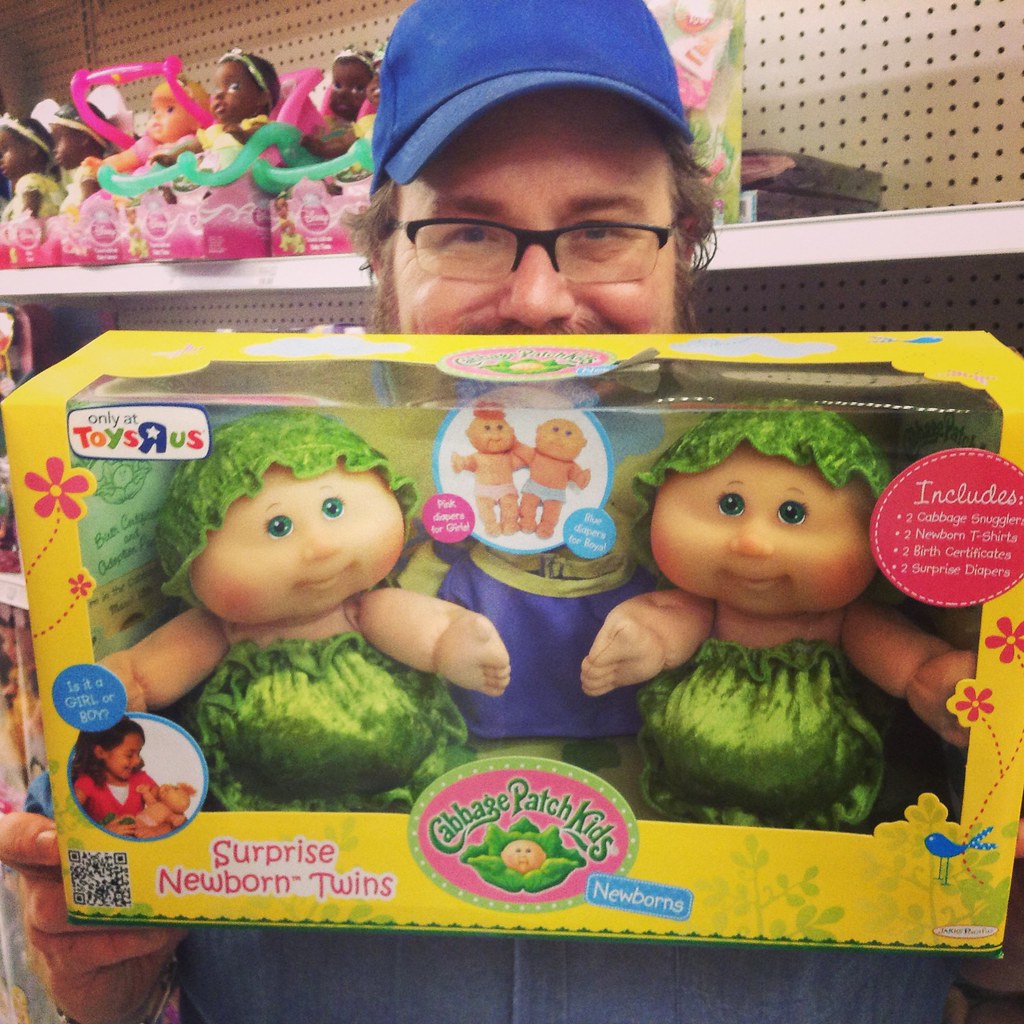
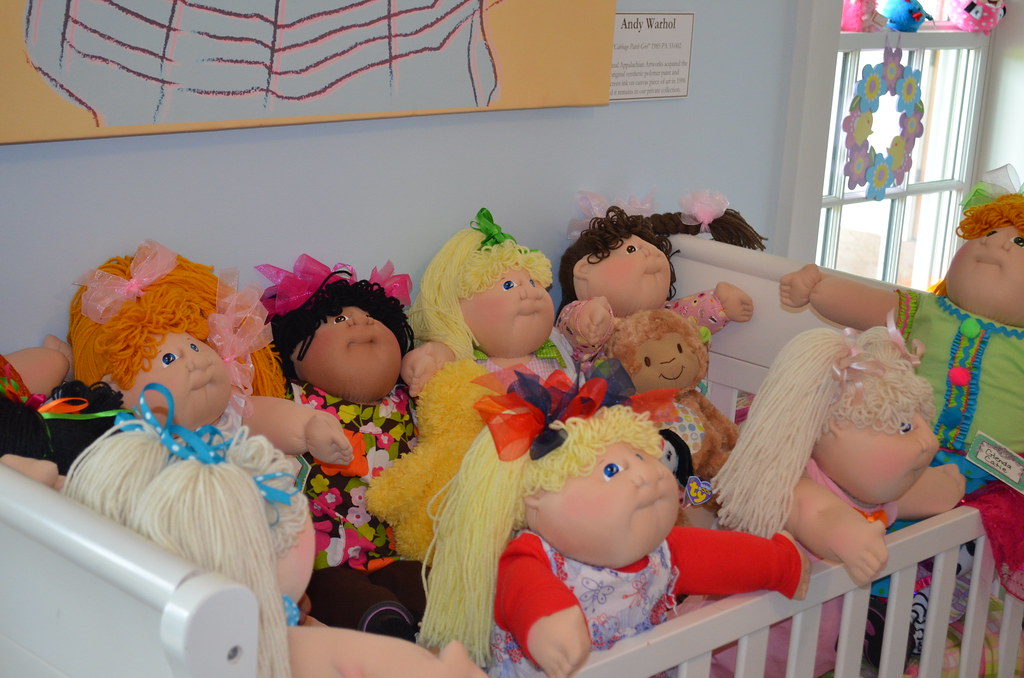
The shortage wasn’t an accident of bad planning so much as a problem Coleco built into the toy on purpose. When the company licensed Georgia folk artist Xavier Roberts’s handmade “Little People” dolls in 1982, the whole pitch was that no two Cabbage Patch Kids would be identical — different face molds, different yarn hair, different eye colors, each one shipped with its own fill-in-the-blank adoption certificate. That’s a charming idea for a boutique doll. It’s a nightmare for an assembly line trying to hit Christmas deadlines.
“They just couldn’t keep up with manufacturing,” toy curator Michelle Parnett-Dwyer explained in the Strong National Museum of Play’s account of the phenomenon, pointing to the sheer complexity of mass-producing a doll engineered to look handmade. By the fall of 1983, Coleco’s Hong Kong plant had capped out at 2.5 million dolls for the year — a hard ceiling that a national marketing blitz was about to slam straight into.
Thirty Minutes, Two Hundred Forty Dolls
That blitz worked too well. Once Cabbage Patch Kids landed segments on three network morning shows in early November, arranged by PR strategist Richard Weiner, per FOX 29 Philadelphia’s retrospective, demand outran anything Coleco’s factory could produce. Nowhere did that gap show up more dramatically than Wilkes-Barre.
Roughly 1,000 shoppers packed into the Zayre store there chasing a shipment of only 240 dolls, and the entire stock was gone in half an hour, according to History.com. An assistant manager climbed onto a checkout counter wielding a baseball bat in a futile attempt to hold the crowd back. FOX 29 adds that shoppers had already waited up to eight hours for the doors to open before the crowd turned violent — long enough for patience to run out well before the dolls did. When the chaos settled, five people had been hospitalized, one with three cracked ribs and a broken leg.
It Wasn’t Just Pennsylvania
Wilkes-Barre made headlines, but it was one flashpoint in a season full of them. In Charleston, West Virginia, a crowd estimated at 5,000 people stormed a department store, and — in a detail almost too on-the-nose to invent — that manager also grabbed a baseball bat to defend his position, per FOX 29’s reporting. In Huntington, New York, police were called to a Toys “R” Us on November 25, 1983, after shoppers who’d waited up to four hours left angry when the shelves emptied before they reached the register.
Multiply those scenes across malls and strip-mall department stores nationwide and you get a holiday season retailers still reference decades later. Some retail historians credit the frenzy with helping cement the modern idea of door-busting Black Friday chaos, and local newspapers ran with the same beats city after city: long lines forming before sunrise, staff handing out numbered tickets to try to keep things civil, and shelves going empty within minutes of opening. It was proof that a toy with a fake birth certificate could reshape how Americans shopped for the next forty years.
Why the Panic Outlasted the Toy
Cabbage Patch Kids eventually became easy to find again — Coleco expanded production, competitors piled in, and by the mid-1980s the dolls sat on shelves like any other toy. What didn’t fade was the formula underneath the frenzy: engineer real scarcity, hand the story to national television, and let shoppers supply the panic themselves. Every subsequent doorbuster stampede, every midnight console-launch line, every limited sneaker drop that sends people sprinting through a mall runs on the same math Coleco stumbled into in 1983 — the discovery that a toy company didn’t need to manufacture enough dolls to meet demand. It just needed to manufacture demand, and let the shortage do the rest.

Leave a Reply