

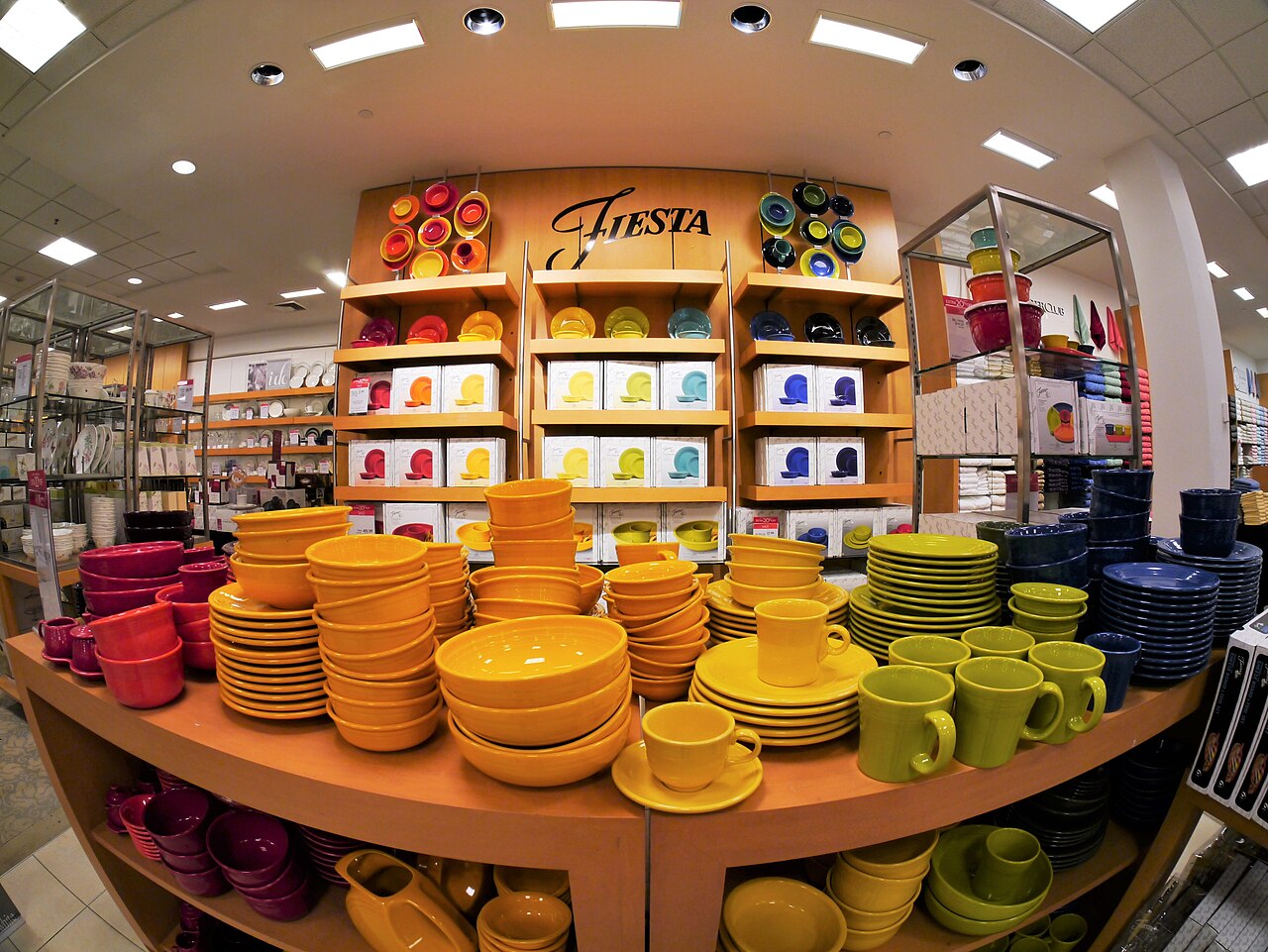
Fiesta has rolled out roughly sixty dinnerware colors since 1936, and only five of them have ever been some shade of purple. The newest one arrived on March 31, 2026, a date the company chose on purpose: the 90th day of the year, to mark Fiesta’s 90th anniversary. The color is called Lavender, and it’s now sitting alongside the dozen-plus shades Fiesta keeps in active production at its factory in Newell, West Virginia — the same building where the line has been made, on and off, since Franklin Roosevelt’s first term.
Ninety Years of a Depression-Era Idea
Fiesta’s origin story is older and stranger than a paint-chip anniversary campaign. English potter Frederick Hurten Rhead designed the original Art Deco-style plates, bowls and mugs for Homer Laughlin China Co. in Newell, and the line was introduced in 1936 specifically to lift spirits during the Great Depression, per the Boston Globe. The pitch was simple: cheap, colorful, mix-and-match dishware at a moment when most American tables were anything but colorful. Ninety years later, the company that grew out of that pitch is still headquartered in the same corner of West Virginia, and it still treats a new glaze color as a genuine cultural event rather than a routine catalog update.
A Purple Nine Decades in the Making
Fiesta announced Lavender on January 13, 2026, calling it a “delicate purple” meant to evoke “peace, renewal, and the timeless beauty of nature,” according to the company’s own statement reported by the Herald-Dispatch. That framing matters more than it sounds: Lavender is only the fifth purple-family glaze in Fiesta’s 90-year history, following Lilac (1993-1995), Heather (2006-2008), Plum (2001-2015) and Mulberry (2018-2024). Purple, in other words, is the color Fiesta almost never makes — which is exactly why collectors treat every new one as an event.
Marketing director Maggie McIlvain Kuntz put it in more personal terms to the Boston Globe: “We chose lavender as our 90th-anniversary color to reflect the peacefulness and tranquility of purple in nature.” Fiesta’s director of design, David Neer, framed the choice as a nod to the people buying it as much as the anniversary itself, telling Tamarack, the West Virginia state marketplace that carries the line: “With our 90th Anniversary color, we are celebrating you, and we are celebrating our craft.” Neer’s count puts Lavender at the 58th color Fiesta has produced since 1936 — a three-piece Lavender place setting runs $39.99 direct from the company.

A Second Nod to 90 Years
Lavender wasn’t Fiesta’s only anniversary move. In December 2025, the company launched an Americana collection tying its 90th year to the country’s own 250th, built around two lines on a new “Linen” base glaze: a Banded Collection with hand-applied Scarlet and Lapis stripes, and a Decorated Collection featuring hand-drawn bicycles, mason jars, faceted stars and apple-pie motifs, according to trade coverage from HomePage News. Dana Brown, Fiesta’s vice president of sales and merchandising, connected the two milestones directly: “For nearly 90 years, Fiesta has been a part of American homes. With the Americana Collection, we’re honoring that tradition with colors and designs that reflect our legacy of quality, craftsmanship, and style, all proudly made in West Virginia.” Pieces in the collection range from $29.99 for a single plate to $111.99 for banded place settings.
Why the Old Colors Still Win
None of this touches what collectors actually chase hardest, which is the stuff Fiesta stopped making decades ago. If you’re digging through an attic or an estate sale, the Boston Globe advises keeping an eye out specifically for medium green, produced only from 1959 to 1969, and lilac, made for that brief 1993-1995 run — “two colors collectors pine for,” in the paper’s words, precisely because Fiesta never restarted either one. It’s the same logic driving Lavender: scarcity by design. Fiesta has leaned into that instinct with its annual colors before. When the company released Sky, its 2024 shade, limited-edition pieces sold out within a day of going on sale, with stores capping purchases at one item per household before the full line even launched, per WBOY, the NBC affiliate covering the company’s home turf in West Virginia.
Ninety Years, Still the Same Trick
What Fiesta figured out decades before “limited drop” was a marketing phrase is that a dinner plate collects fans the same way a sneaker or a trading card does, once people believe a color won’t come back. Medium green got its cult status by accident, discontinued along with the rest of the original line in 1969. Lavender gets the same treatment on purpose, timed to a specific anniversary day and framed by the people who make it as a once-in-a-decade event. Ninety years in, Fiesta is still selling nostalgia before it’s even had time to become nostalgic.

Leave a Reply