

If you watched television in the 1980s, you remember the sound of that car. The Coyote X, the sleek ride from Hardcastle and McCormick, tore across the screen every week, and fans never forgot it.
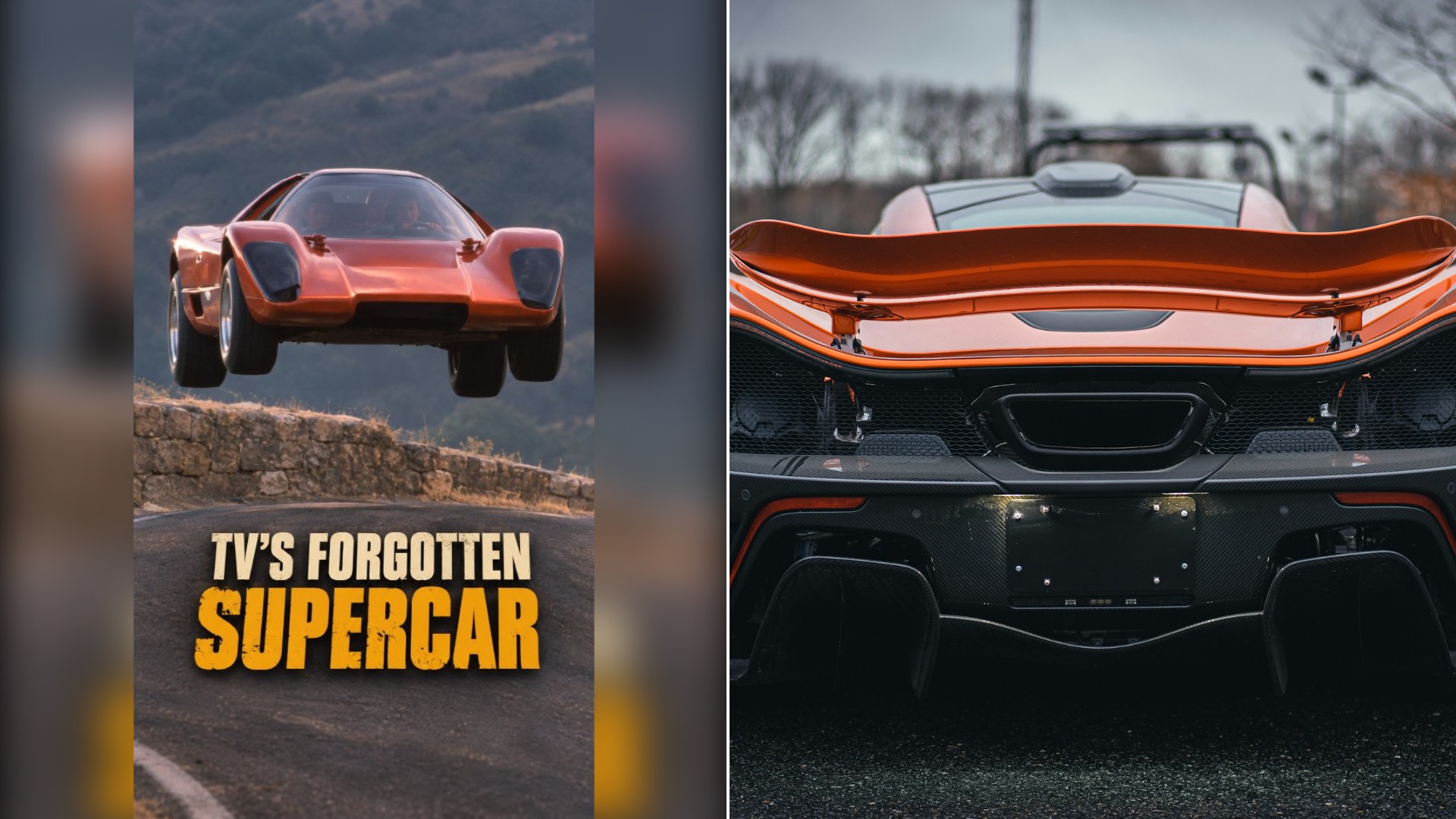
Pop culture creator @thepopcultureprof shares a couple of facts about the car that may surprise even longtime viewers. The Coyote X was styled after a McLaren, and several versions of it were built and used for stunts.
View this post on Instagram
A Car Styled After A McLaren For Prime Time
According to the creator, the look of the Coyote X was inspired by McLaren, the British racing name known for sleek, low-slung machines. That fits what viewers saw on the screen: a wedge-shaped body, a long nose and a low stance that looked fast even when it was parked.
In the early 1980s, a car like that was the stuff of posters. Teenagers hung supercars on bedroom walls, and television shows used them to give heroes an edge.
The Coyote X gave the show a flashy hook. A retired judge and a young ex-con racer needed a ride that said adventure, and a wild one-of-a-kind prototype fit the bill.
Several Versions Took The Stunt Punishment
The second surprise is that there was not just one Coyote X. By the creator’s account, several versions were used for stunts, which is how television made those jumps and slides possible.
That is standard practice in action TV. One polished car is saved for close-ups and conversations, while others are built to take the abuse of chases, jumps and skids.
It explains why the car looked so good in a scene and then got tossed around in the next. Producers could afford to wreck a stunt version and still have a hero car ready for the next episode.
The Show That Put It On The Road
Hardcastle and McCormick ran on ABC from 1983 to 1986. Brian Keith played Milton Hardcastle, a retired judge who still wanted to bring criminals to justice, and Daniel Hugh Kelly played Mark McCormick, a former race car driver who had been in trouble with the law.
Their odd-couple partnership was the heart of the show. The judge had the brains and the stubborn streak, and the younger man had the driving skills and a quick tongue.
The Coyote X was a big part of that charm. When the two needed to catch a bad guy, McCormick got behind the wheel and the chase was on.
Why The Wedge Shape Ruled The 1980s
Look at supercars from that decade and you will see the same sharp, angular lines. Designers loved the wedge, and it showed up on everything from exotic sports cars to family hatchbacks.
It was a look that said speed and the future, and television producers snapped it up. A car that looked like it came from a racing garage helped a weekly show feel bigger than its budget.
That is also why a car styled after a McLaren made sense. The brand’s racing success gave any imitation a hint of glamor, even if the car was built for a TV set.
Building A Hero Car Takes A Team
Creating a car for a series is a big job. Builders, designers and mechanics work together to shape the body, fit an engine and make sure it can survive the cameras.
Once the hero car is done, extra copies and stunt versions are often built with stronger frames and simpler details. That way, the original stays pretty while the others do the hard work.
It is a trade secret of classic television, and it is part of what makes these cars so fascinating to fans today.
Why TV Cars Are Still Icons
Think about the great television cars: the General Lee, the Batmobile, the Trans Am from Knight Rider, the Ferrari from Magnum, P.I. Each one became almost a member of the cast, and fans can describe them decades later.
That is because a car gives a show a visual signature. A single image of a car in motion tells you right away which series you are watching.
The Coyote X belongs in that club. Fans who remember it often say it was one of the coolest rides on the small screen.
How To Hunt Down Classic TV Car Memorabilia
If the video brings back the memories, you may want a piece of it for your own shelf. Fans of classic television cars often collect die-cast models, lunch boxes, trading cards and posters.
- Look at toy shows, estate sales and online marketplaces for die-cast models from the era.
- Check that boxes and packaging are in good shape, since collectors value them.
- Compare recent sold listings so you know what a fair price looks like.
- Be careful with replicas and reproductions that are sold as originals.
Fan clubs and online forums are also a good way to learn about the car and its history. Many members share photos, stories and tips from decades of following the show.
A Reminder Of When TV Felt Bigger
Part of the charm of those old shows was the sense of fun. The plots were simple, the heroes were easy to like, and the cars were as much a character as anyone.
A little bit of trivia, like the McLaren look or the stunt versions, makes those old memories feel fresh. It is also a good reason to dig up a rerun or two on a rainy afternoon.
So the next time you hear that familiar engine roar in your head, remember the Coyote X. It may have been a TV prop, but it left a lasting impression on a generation.
More Stories You May Like
- U2 Crash The Rock Hall Ceremony To Open The Show Even Though They Weren’t On The Bill, One Day After Releasing A Brand New Album
- Mario Kart 64 Finally Gets Rumble Pak Support 30 Years After Release Through A ROM Hack, With A Smooth Sand Version For Players Tired Of Gripping The Controller On Koopa Troopa Beach
- 1966 Batman Trading Card From The Adam West TV Era Sells For A Record $219,600 After A Short Bidding War And Only 13 Copies Have Earned Its Grade

Leave a Reply