

Ask a cast iron fan what they hope to find at a flea market and many will say the same thing: an old Griswold or Wagner skillet, black with seasoning, heavy in the hand and ready for another fifty years of cornbread. Those names carry a lot of weight in the collecting world. Unfortunately, that is exactly why some sellers are happy to slap a famous name on a pan that never saw the inside of an old foundry.
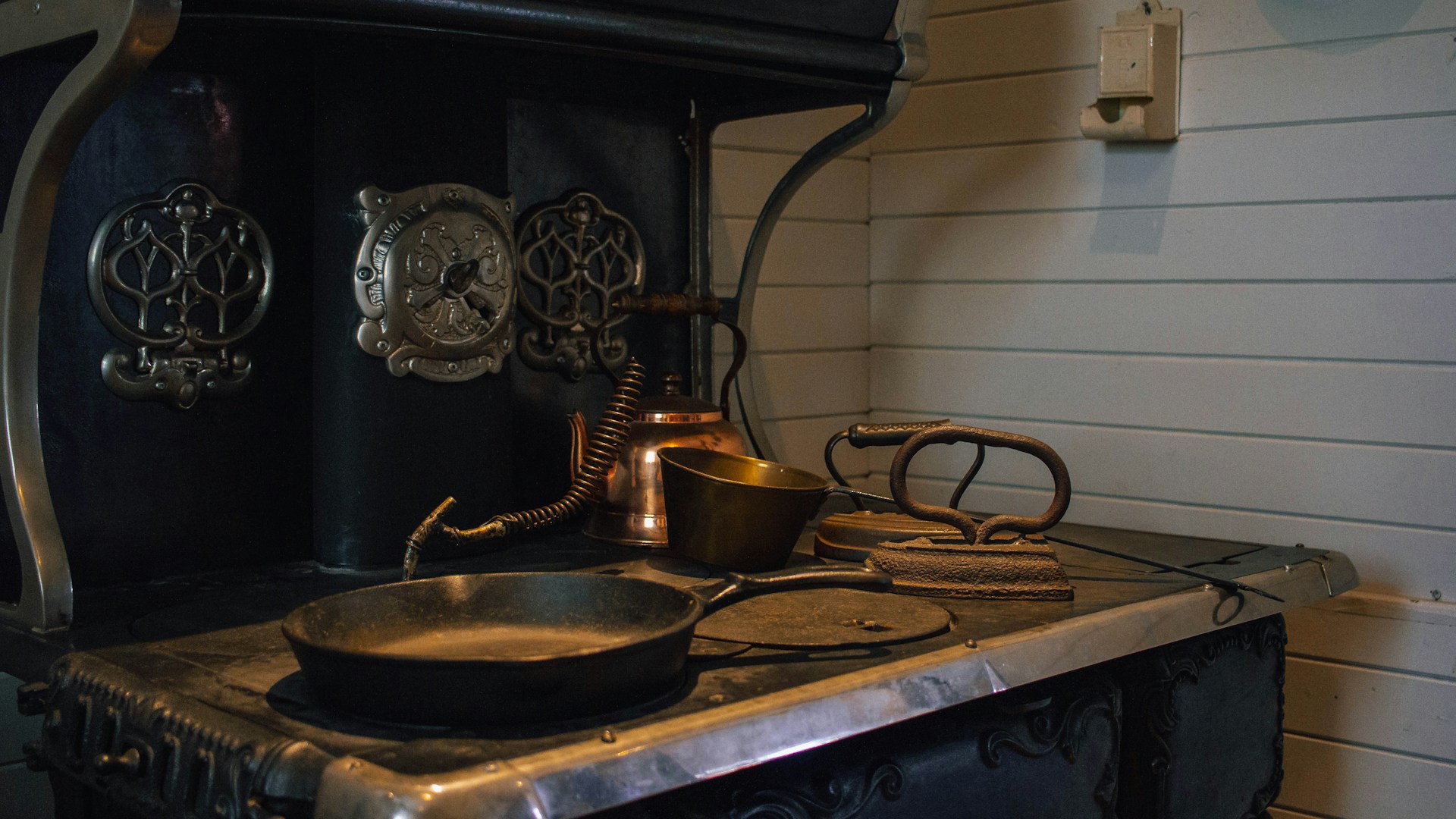
Reproductions and knockoff marks are out there, and an unwary buyer can pay a collector’s price for a modern copy. The good news is that you can learn to spot most of them with a little knowledge and a careful eye.
Why These Names Matter
Griswold was made in Erie, Pennsylvania, and Wagner in Sidney, Ohio. Both companies turned out cast iron cookware that many cooks still swear by, and both are highly sought after by collectors today. Demand is strong, and strong demand brings out the copycats.
That does not mean every skillet with a famous name is suspect. Plenty of genuine pieces turn up at yard sales and in family kitchens. It simply means you should look closely before you pay a premium.
Study The Marks
Start on the bottom of the pan. Genuine pieces usually carry a maker’s mark, and Griswold pieces are often marked with the company name and the location of Erie, Pennsylvania. The style of the logo changed over the years, so collectors rely on reference guides to match a mark to the right era.
Here is what to look for:
- Crisp, well-formed lettering. Marks on genuine pieces are generally sharp and evenly cast, while blurry or sloppy lettering is a warning sign.
- A logo that matches known examples. Compare what you see to photos in a trusted collector’s guide.
- Marks that fit the piece. Check that the size, shape and handle style match what that maker really produced.
- Odd extras. Strange wording, misspellings or a mark that seems oddly placed deserve a hard look.
Keep in mind that a mark alone is not proof. Copycats can copy a logo, so the mark is just the first clue.
Feel The Surface
Many vintage skillets are known for a smooth cooking surface, while many modern pans have a rougher, pebbly texture. Run your hand across the inside of the pan. A very rough surface on something sold as an old Griswold or Wagner is worth questioning. This is not a perfect test, since pans can be sanded or worn, but it is a clue collectors often use.
Weight and thickness matter too. Many older pans feel lighter and more finely finished than heavy modern ones, though this is only a general guide. If you have handled genuine pieces before, trust what your hands tell you.
Look At The Wear
Real age shows up in believable ways. Look for use marks, a worn cooking surface and signs of decades of seasoning. Check the bottom for a heat ring or soot that fits an old stove. Be wary of a pan that looks artificially aged, with uniform dark patches, or one that looks brand new but is sold as a century-old relic.
Also check for damage. Cracks, warping and a pan that wobbles on a flat surface can sharply reduce the value, and sometimes make the skillet unsafe to use. Set the skillet on a flat counter and see whether it rocks.
Read The Listing And The Price
When shopping online, ask for clear photos of the bottom, the handle and the inside of the pan. Be careful with listings that show only one blurry picture or avoid the markings. Phrases like “Griswold style” or “marked like Wagner” often mean the item is a copy.
Price is a clue as well. A rare, collectible skillet at a bargain price should make you pause. Compare it to what similar pieces have actually sold for, not just what other sellers are asking. And choose a seller who offers returns so you have a way out if the pan is not as described.
Do Not Overlook A Good Cook
It is worth saying that a reproduction can still be a perfectly good skillet. Modern cast iron cooks very well, and plenty of cooks love it. The only problem comes when a modern pan is sold at a vintage price. If you simply want a pan for the stove, a new one costs far less than a collectible. If you want a piece of history, buy it knowing what to check.
Where To Get Help
If you plan to collect, a good reference book is a smart investment. Collector groups, antique dealers and specialty sellers see the real thing regularly and can often tell you what to watch for. Do not hesitate to ask a knowledgeable person for a second opinion before you spend serious money.
A genuine old skillet is a joy to own, and a reproduction sold as an original is a disappointment. A few minutes with a flashlight, a reference guide and your own two hands can tell you which one you are holding.
More Stories You May Like
- Thrifter Finds a Girlfriend’s Dream Purse Sitting at Goodwill and Films Her Reaction When She Gets Home and Opens Her Eyes to the Surprise
- Arizona Thrifter Drives Four Hours Round Trip to One Specific Goodwill and Walks In to Find a Whole Display Case Full of Gucci, Chanel and Louis Vuitton
- Thrifter Calls It the Most Insane Haul of Her Entire Life After Pulling a Designer Emilio Pucci Coat Off the Thrift Store Rack That Fits Her Like a Glove

Leave a Reply