

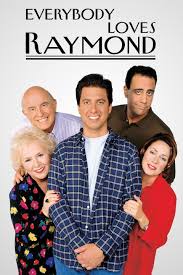
Twenty-five out of thirty. That’s where CBS ranked its new Friday night sitcom about a needling Italian American sportswriter and his overbearing parents next door in the fall of 1996, near the bottom of the network’s own lineup. Nobody at the network was celebrating a middling family comedy stuck in a dying timeslot. Yet thirty years later, that same show is getting a primetime reunion special, and the family it built is still one of the most quoted in sitcom history. Everybody Loves Raymond premiered on September 13, 1996, and its road from also-ran to institution took barely a season to turn around.
The Friday Night Death Slot
CBS slotted the new show behind Dave’s World, a sitcom already fading toward cancellation. Friday nights in the mid-1990s carried a reputation as television’s graveyard, the timeslot where networks parked shows they weren’t sure about and hoped nobody important was watching. According to The TV Ratings Guide, Raymond grew only modestly over its weak lead-in during the premiere, then lagged behind Dave’s World in nearly every Friday airing that followed. The show finished its first season in 25th place among CBS’s thirty series. Reviewers liked what they saw well enough. Critical affection rarely rescues a low-rated comedy on its own, though, and by the winter of the 1996-97 season, Raymond’s future on the network was genuinely uncertain.
The Monday Move That Saved It
CBS executives, still convinced the show had something worth protecting, made a gamble late in season one. They pulled Raymond off Fridays and wedged it into Mondays between Cosby and Cybill, the network’s two highest-rated comedies that season, per The TV Ratings Guide. Sandwiched between two proven hits, the show finally had the audience it had been missing on Fridays, and it started climbing week over week instead of trailing its own lead-in. CBS renewed it for a second season on the strength of that late surge rather than its rocky first-half numbers. It’s the kind of scheduling save that rarely gets remembered once a show becomes a hit, quietly filed away in trivia sections instead of headlines. Without it, Ray Barone’s kitchen table might never have made it past year one, and a show now treated as a syndication staple could have ended up a footnote alongside Dave’s World.
Nine Seasons, Fifteen Emmys, and a Long Island Institution
Once it found its footing, Everybody Loves Raymond ran nine seasons through 2005, built around Ray Romano, Patricia Heaton, and Brad Garrett, with Doris Roberts and Peter Boyle as the parents who never quite left next door. The show collected 15 Emmy Awards from 69 nominations over its run, according to Variety, including back-to-back Outstanding Comedy Series wins reported by TVLine. The premise never strayed far from its low-key roots: a sportswriter, his wife, and his parents living close enough to walk in unannounced whenever they pleased. Romano and creator Phil Rosenthal reportedly leaned on their own families for material, which is a big part of why the arguments over parking spaces and unsolicited parenting advice felt lived in rather than written. If you’ve ever caught a rerun burning through basic cable at eleven at night, that staying power is no accident. Few sitcoms of its era have logged as many quiet, unglamorous hours in syndication as this one has.
A Reunion Thirty Years Later
To mark the anniversary, CBS is airing a reunion special hosted by Romano and series creator Phil Rosenthal, bringing back Garrett, Heaton, Monica Horan, and Madylin and Sullivan Sweeten, who played the Barone kids, with a tribute planned for Roberts and Boyle, both of whom have since died, according to Variety. Romano has joked that the cast isn’t quite the same on an Emmys stage these days, compression socks and all, a line that lands funnier once you remember how young most of them were when the show started. The special will feature Garrett alongside castmates he hasn’t shared a stage with in years, according to the same Variety report, a reunion built on a show CBS itself once treated as an afterthought. A sitcom that finished 25th out of 30 in its own building spent the next three decades proving that a network doesn’t always recognize a hit the first time it sees one, and sometimes it takes a change of night, not a change of writing room, to prove everyone wrong.

Leave a Reply