

At a recent music event, a bystander encountered a troubling scene. They noticed a woman lying face down on the floor, barely moving. Concerned about her wellbeing, the bystander approached a nearby individual and asked if she was okay. The response they received was far from reassuring.

The individual shrugged off the concern, claiming that everything was fine and that the woman had been their girlfriend for seven years. Still unsettled, the bystander decided to speak to the woman directly. They asked her if she was okay, and what followed only deepened the alarm. Upon being addressed, the woman struggled to move, eventually managing to get onto all fours, only to shake her head ‘no’ when asked again about her condition.
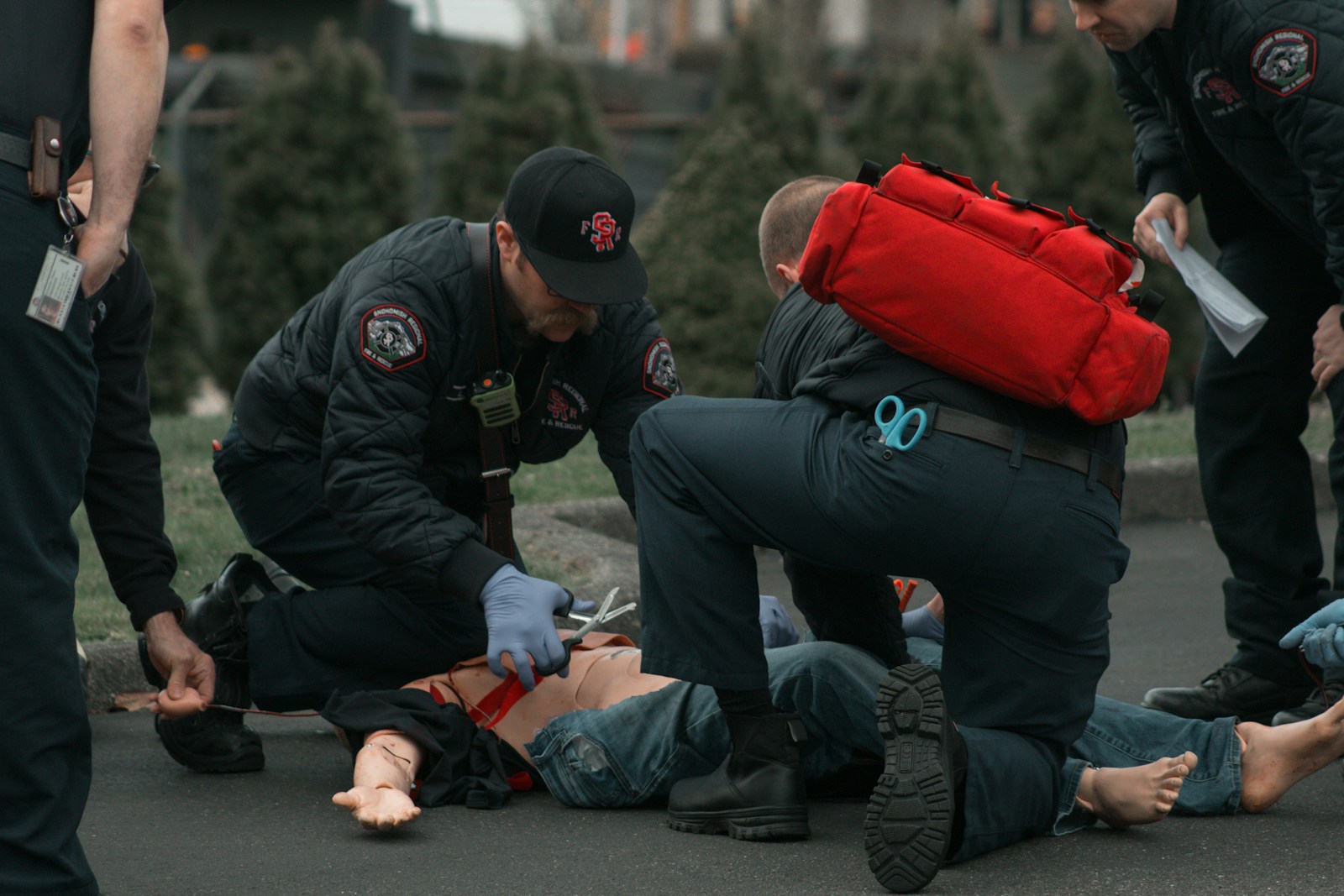
Despite the boyfriend’s insistence that she was fine, the woman then slumped back down onto the floor, face first. The sight was distressing. The bystander quickly alerted the nearest staff member, located only fifteen feet away, who wasted no time calling security and the on-site EMTs.
This decisive action did not sit well with the woman’s friends, who glared at the bystander for intervening. After the EMTs arrived, other event staff approached the bystander to express their concerns about how this situation could negatively impact the event, the artist, and the venue. They suggested that calling for help like this might hurt the community surrounding the event. The bystander found this reasoning deeply troubling.
As they tried to make sense of the situation, the bystander firmly disagreed with the suggestion that they had done something wrong. They argued that a medical emergency should always take precedence over potential reputational damage to an event or community. They presented a hypothetical scenario: “If someone has a medical emergency at a sporting event, does a rapid response hurt the sport, team, or venue?” They insisted that protecting a life should always come first.
The boyfriend’s attempts to talk the bystander out of seeking help for his partner were especially infuriating. For someone who had been in a relationship for seven years, his response lacked urgency and concern that one would expect in such a situation. In moments like these, it is typically the bystander who acts when those closest to the person in distress do not step up appropriately.
The scene highlights the often complex dynamics that can arise in crowded, high-energy environments like music events. People want to enjoy themselves, but that can sometimes lead to overlooking distress signals. Despite the boyfriend’s claims, emotional attachment does not always equate to the ability to assess a partner’s health accurately.
Many onlookers at the event were likely unclear about whether intervening was the right move. One person pointed out that, “In situations where someone appears to need help, it’s always better to err on the side of caution.” Another reader commented, “It’s baffling to think anyone would chastise someone for potentially saving a life.” These sentiments reflect a broader understanding that taking action can sometimes be the most responsible choice, regardless of what those close to the situation might say.
After speaking with staff and the boyfriend, the bystander left feeling uneasy about the backlash for simply being concerned. They were left considering the balance between respecting personal relationships and recognizing when someone is in distress. The boyfriend’s defensive stance made the bystander question the motivations behind such responses to emergencies.
As the situation unfolded, it became clear that there is a societal expectation to keep the peace and avoid conflict, even in the face of potential danger. Many individuals may hesitate to act, fearing judgment from those who may prioritize social norms over immediate health concerns. This event serves as a reminder of the critical role bystanders play in situations of medical urgency.
The bystander is now left grappling with their decision to intervene. Should they have acted differently? Would the response have been the same if they had not gotten involved? The uncertainty lingers as they continue to reflect on the choices made that night.
More from Vinyl and Velvet:

Leave a Reply