

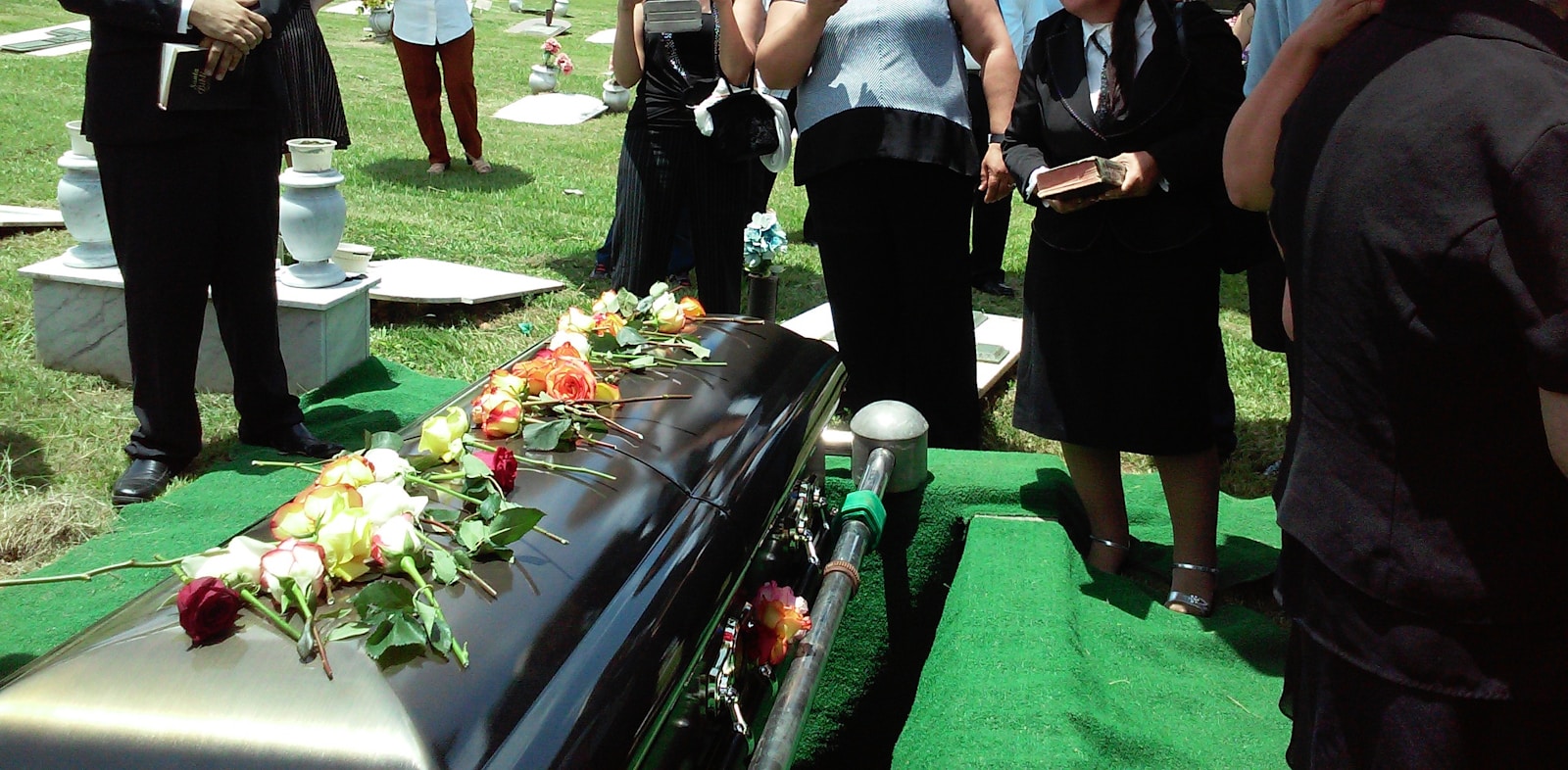
A child grappling with emotional detachment faked tears at their grandfather’s funeral, a moment that would shape their understanding of normalcy for years to come. This child, who had always been quiet and reserved, felt compelled to mimic the emotions displayed by others during moments of loss. The absence of genuine tears became a source of concern not just for themselves, but for those around them.
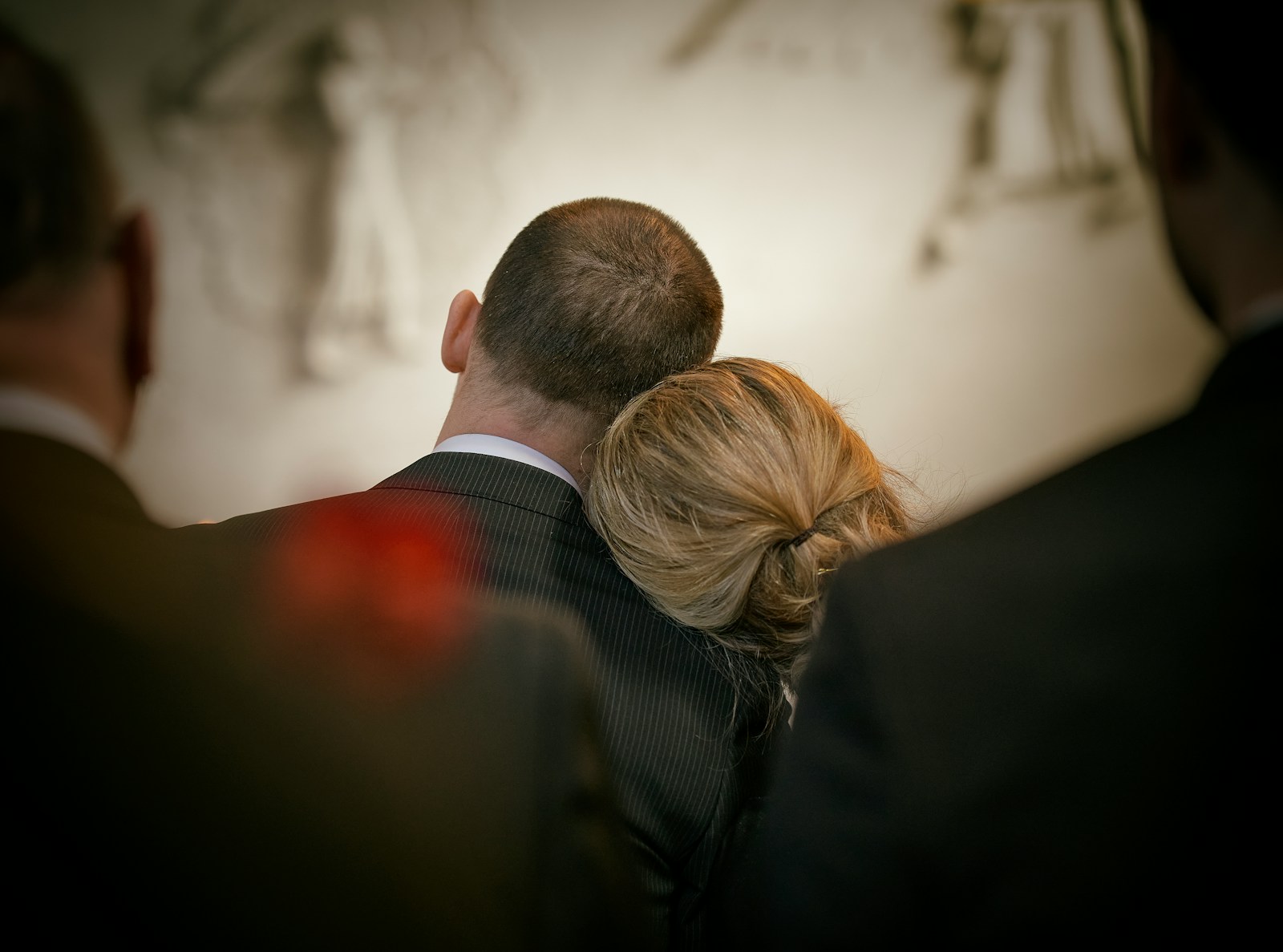
During their grandfather’s passing, the child felt deep sadness but couldn’t bring themselves to cry. Instead, they pretended to weep, fearing that appearing heartless would sever their ties to family. Over the years, this mimicry evolved into a habit, deeply intertwined with their identity. Feeling different and out of sync with others drove them to observe and study how “normal” people behaved, hoping to blend in more seamlessly.
As time went on, the child noticed a growing distance between themselves and their relatives. They believed that their lack of visible emotion contributed to a sense of alienation, making them feel unloved. To combat this, they began pretending to laugh, smile, and express emotions that they felt were expected of them in social situations. This act of self-reinvention aimed to close the gap between their internal world and how they thought they should relate to others.
In their quest for normalcy, the child also trained themselves to scream when startled or scared, an effort to replicate reactions they observed in peers. While faking these responses worked at times, the ability to cry remained elusive. It was not just the act of crying that embarrassed them; it was the deep emotional vulnerability associated with it. Memories of being discouraged from expressing pain colored their understanding of emotions. They recalled being taught to consider the feelings of others, especially those perceived as “special needs,” which led them to suppress their own needs.
The child’s maturity set them apart, especially when compared to their older cousin, who would cry freely when hurt. While their cousin let emotions flow naturally, the child chose to endure pain quietly, believing that crying would not alter their circumstances. This belief compounded their embarrassment over their feelings, further isolating them from others.
In an environment where displaying emotions was frowned upon, the child internalized the message that vulnerability was to be minimized. They often found themselves observing how people reacted around them, noting the nuances of normal behavior. Learning to fit in became an exhausting performance, one that required careful observation and practice. Their journey through childhood was filled with the somber realization that to be accepted, they had to mask their true self.
As this child navigated the emotional landscape of their family, they became acutely aware of the disconnect between their inner experiences and the outward expressions deemed acceptable. Observing others react with open emotions at moments of joy or sorrow only highlighted their struggles. The effort to change themselves in order to gain familial love and acceptance left them with a lingering sense of inadequacy about their emotional authenticity.
One person reading this story expressed empathy, saying, “I think many of us have tried to fit in and mask our true selves. It’s a hard journey to find authenticity.” Another reader remarked on the importance of emotional expression, noting, “Suppressing emotions can lead to long-term issues that are hard to navigate as an adult.”
For this child, the road ahead remains uncertain. Despite the effort they put forth to mimic normal behavior, there is a constant internal struggle between the desire for acceptance and the fear of being judged. They ponder whether to continue the facade or embrace the authenticity that feels so far removed from their current reality. In a world filled with expectations, the question remains: Is it possible to truly connect with others while feeling so detached from one’s own emotions?
More from Vinyl and Velvet:

Leave a Reply