

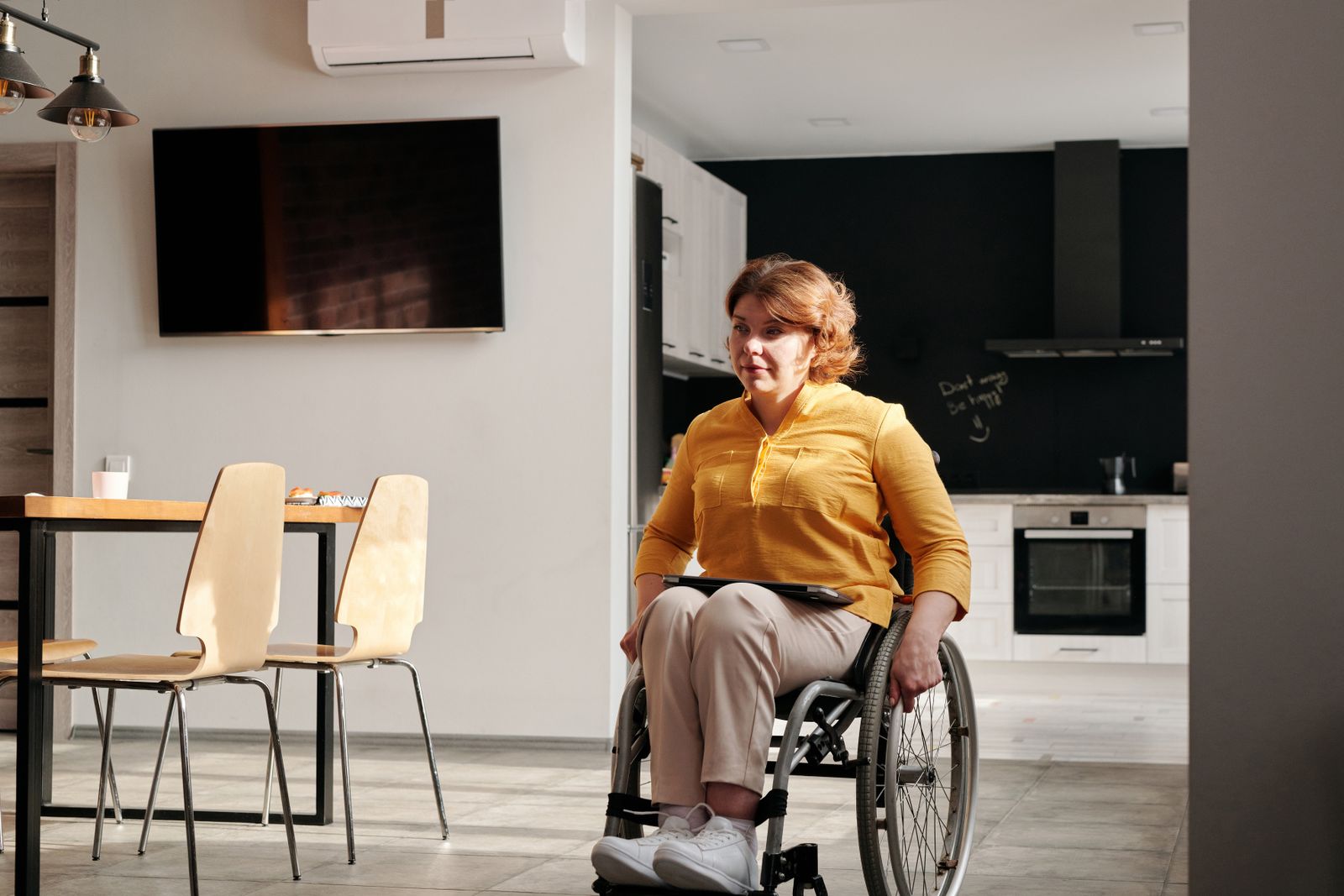
A disabled homeowner in Washington state is facing a troubling situation after her neighbor installed a camera pointed directly at the only path to her home. The woman, who relies on this access due to the removal of her legal ADA entrance by the previous owner, now has no choice but to use her neighbor’s driveway to enter and exit her property.

The camera, which captures both video and audio, appears to have been installed with the intent to monitor the disabled homeowner whenever she comes and goes. She claims that footage of her has been shared online without her consent, raising significant privacy concerns. Compounding the issue, the neighbor has also been spotted standing outside with a visible firearm, leading to fears of potential intimidation or harassment.
In response to this unsettling intrusion, the homeowner is seeking legal advice. She plans to file a limited-scope cease and desist order, hoping to halt the recording and sharing of her image and audio. The estimated cost for this legal action ranges from $300 to $500, a significant commitment given her current situation.
While taking this step, she is also pursuing an anti-harassment protection order through the Jefferson County court system, aiming to shield herself from further actions by the neighbor. She has been gathering evidence, including photographs, screenshots, and witness statements, to support her case. The legal strategy includes citing multiple Washington state laws, such as RCW 9A.46.110 regarding stalking, RCW 9A.44.115 for voyeurism, and RCW 9.73.030 which addresses audio recording without consent.
As she prepares to present her case, the homeowner is seeking advice from others who have faced similar circumstances. She poses specific questions about the language that has proven effective in cease and desist orders, as well as how to navigate the balance of needing access to her home while insisting that the filming stop.
One person suggested that including a “litigation hold” on the footage might strengthen her position. Another reader emphasized the importance of documenting everything meticulously. They pointed out that having a timeline and concrete evidence could sway a judge in her favor, especially considering her disability and the ADA implications involved.
The neighbor’s actions have raised concerns among online commenters, many of whom empathize with her plight. Some caution her to document every encounter with the neighbor given the implied threats surrounding the visible firearm. Others suggested she might want to consider involving law enforcement if she feels unsafe.
Her decision to pursue this legal route is not without its challenges. The fear of retaliation looms large, especially when the neighbor has already demonstrated hostility by posting her footage online. The homeowner has clearly stated that she is not looking to relocate or simply “call the cops.” She is determined to confront the situation through the legal channels available to her.
This unfolding situation highlights the troubling intersection of privacy rights and accessibility for disabled individuals. The homeowner is aware that her legal rights are at stake, and she is preparing to advocate fiercely for herself, despite the social and emotional hurdles involved.
The ongoing struggle raises critical questions about the balance of individual rights, especially for those with disabilities, in the face of potential harassment. As she collects her evidence and navigates the legal landscape, the homeowner remains focused on securing a cease and desist order that will effectively protect her right to privacy while allowing her continued access to her home.
More from Vinyl and Velvet:

Leave a Reply