

Somewhere behind a small house on a main street, a hole in the ground had been keeping a secret for about 160 years. A team of diggers finally opened it up and found out what a family left behind. The adventure comes from @coolestdigs, in an episode of a series about digging in old bathrooms.
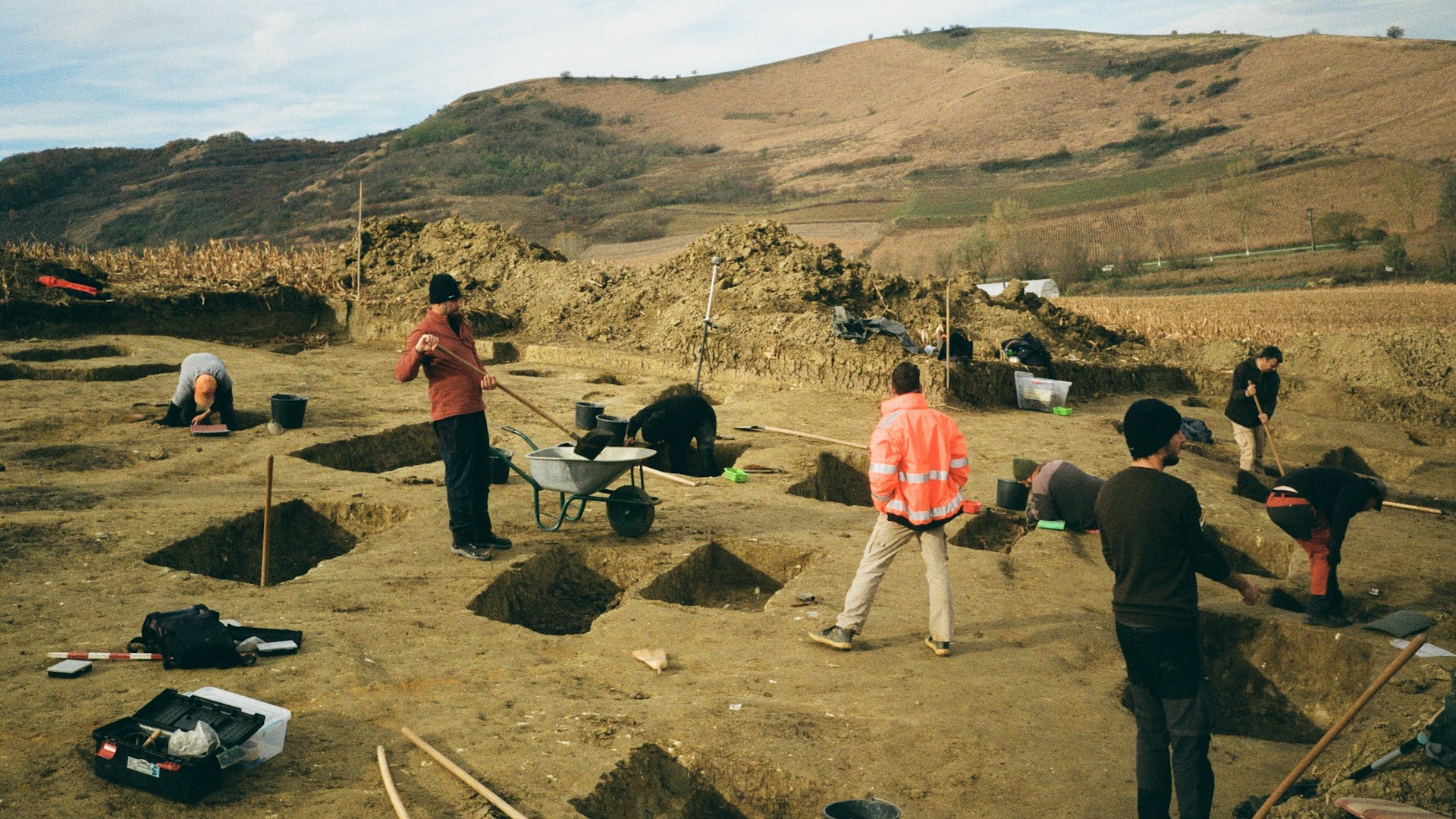
The spot is a privy, the old word for an outhouse pit. According to the creator, it dates to the 1860s and sat behind a small house in a town that was probably home to workers at a mill on a nearby river.
@coolestdigs
Four Feet Down, The Diggers “Broke Into A Layer Of Old Artifacts”
The treasure hunt began quietly. About four feet underground, the crew broke into a layer of old artifacts. The first big find was a giant piece of broken porcelain from the 1860s, a pitcher that had been smashed and tossed away long ago.
It was only the start. Digging deeper, they found the base of an 1860s jar, and the work went on as the sun went down.
They Had To “Break Out The Lights” And Dig Into The Night
As darkness fell, the crew switched on lights and kept going. That kind of stubbornness is the mark of a real bottle digger. The deeper the hole, the better the odds that something special is waiting.
It paid off. Through the night they pulled out piece after piece of porcelain-like pottery. The creator says it was made in England and shipped to the United States, and it had to come by boat, because it “can’t exactly take a plane.”
That detail brings the story home. An ordinary household in a mill town was eating and washing with dishes that crossed the Atlantic more than a century and a half ago.
An “Absolutely Beautiful” Silver Plated Spoon Falls Out Of The Overhang
Then came the moment every digger hopes for. Out of the overhang fell a silver plated spoon. The creator calls it absolutely beautiful, and you can see intricate carving on the back.
The find stands out because of who lived there. The town was full of workers and laborers, so finding something this fancy, the creator says, is “quite extraordinary.” It hints that a family with modest means still prized a nice piece for the table.
Silver plating, a process that coats a base metal with a thin layer of silver, became common in the mid 1800s. It let ordinary households own a shiny spoon without paying for solid silver. A single spoon like this may have been a treasured wedding gift.
One Last Epic Discovery: A Pocket Of 1860s Bottles
Just as the crew was about to call it a night, they made what the creator calls one last epic discovery. Under the overhang, they broke into a pocket of bottles from the 1860s. They “just missed the era of hand-blown glass by a few years.”
That remark is useful for collectors. Early bottles were blown by a worker with a pipe, and many show a rough pontil scar on the bottom or small bubbles in the glass. Fully automatic machines took over around the early 1900s, and bottles from the years between are often prized for their color and shape.
The episode ends on a hopeful note, with the creator asking for a like if viewers want a part three.
Why Old Privies Are Time Capsules
Before trash pickup, a privy pit was also the family dump. Broken dishes, empty bottles and lost items went in, and layers built up over decades. That is why archaeologists and hobby diggers treat them like time capsules, with each layer showing what people used in a certain stretch of years.
The same fact makes digging them a serious job. Pits can be deep and unstable, and the walls can collapse, so experienced diggers keep the hole narrow, never work alone and stay out of anything that looks shaky.
If You Want To Try It Yourself
Start with permission. Dig only on land you own or where the owner has agreed in writing, and check local rules, because some states and towns limit digging on historic sites. Call 811 before any hole, so buried lines are marked.
Old maps and town records can help you find where houses and outhouses once stood. Look for a slight dip in the lawn or a patch of different soil. A simple probe rod lets you feel for the soft layers that mark a pit.
Wear gloves, because old pits can hold sharp glass, and handle finds gently. Clean pottery and glass with water and a soft brush, skipping harsh chemicals, and photograph each item before you wash it.
In the end, the dig is a reminder that history is not only in museums. Sometimes it is four feet down in a backyard, a spoon that somebody once polished for Sunday supper.
More Stories You May Like
- Georgia O’Keeffe Painting Bought For $3,800 In 1963 Went Into A Closet In Its Original Box After The Owner Worried A Guest Was Eyeing It Too Closely, And Christie’s Now Expects Up To $3 Million
- Star Wars Turns 50 With A Wraparound 87 Foot Dome Screening At Cosm In Inglewood Starting March 2027, The First Film In A Multiyear Disney Deal
- Def Leppard’s Vinyl Collection Volume 4 Includes An Unreleased Beatles Cover Of Revolution Recorded For A TV Ad That Never Aired

Leave a Reply