

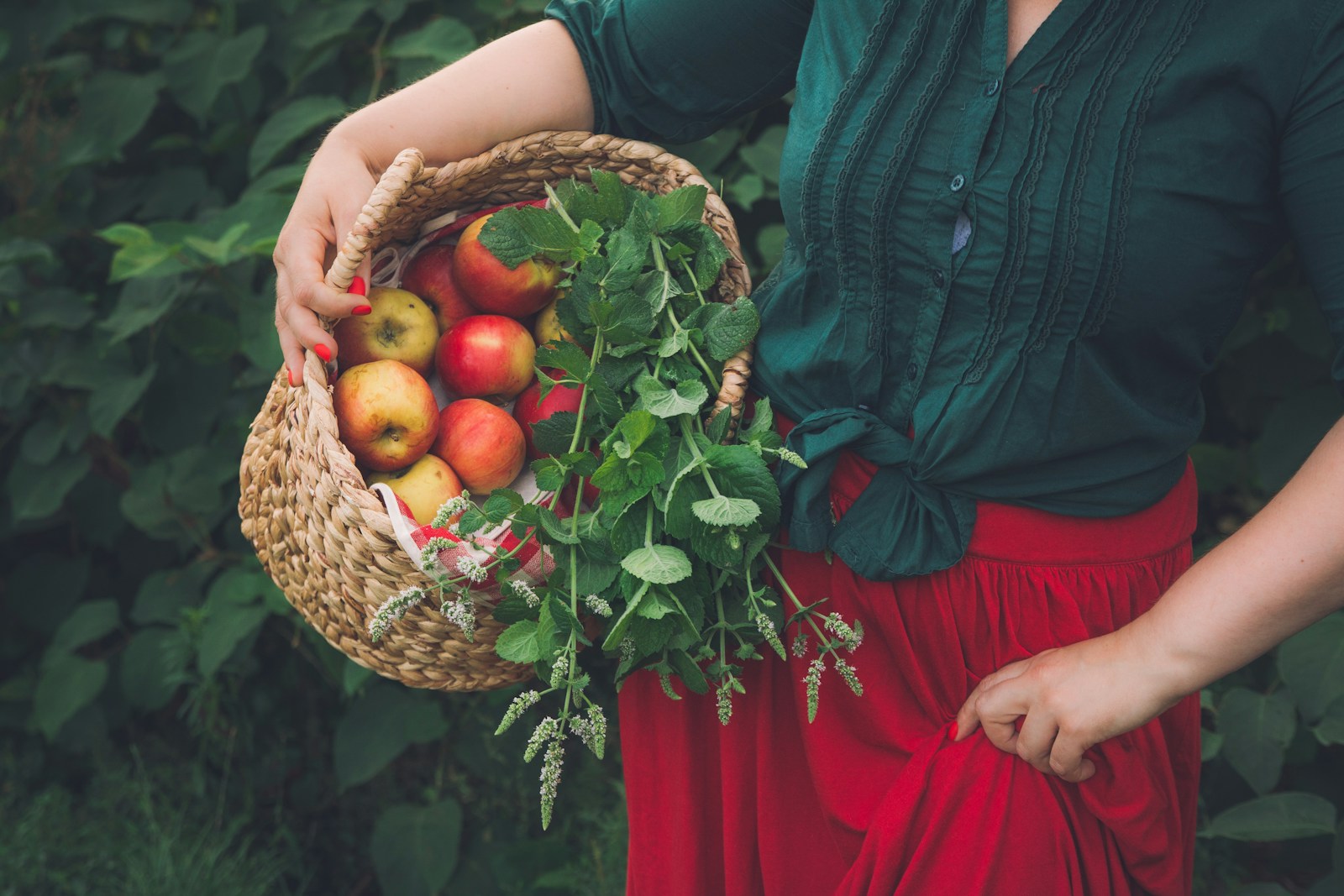
A daughter’s simple act of kindness turned into a volatile confrontation with her father, leading to a troubling glimpse at their strained relationship. After deciding to put out apples and carrots that were starting to go bad, she faced an explosive reaction from her dad who often feeds the same wild rabbits sunflower seeds and corn.

In a moment of trying to do something nice, the daughter placed the fruits and vegetables outside, unaware that her gesture would spark furious backlash. Instead of appreciation, she was met with insults and anger, as her father called her a “dumb bitch,” insisting that her actions would only attract rats.
Her father’s reaction was not out of character. He has a known propensity for anger when he’s been drinking, often reacting explosively to minor issues. He has a history of throwing out her children’s bottles if they aren’t washed quickly enough and glaring at her, making her feel like she is constantly under scrutiny. At this point, the daughter feels completely drained, overwhelmed by the relentless criticism and harsh words from the man who is supposed to provide support and care.
In her emotional outpouring shared online, she expressed feelings of being unloved and unwanted, questioning why her father seems to harbor such hatred for her. This situation, while stemming from a minor incident, serves as an indicator of a deeper rift in their relationship. The stress of living under such a bitter atmosphere is taking its toll, leading her to retreat to her room in tears.
This confrontation highlights the complex dynamics of their home life. Her father, who daily feeds wild rabbits with sunflower seeds, seems to draw an arbitrary line where his actions are acceptable while hers are not. It raises a question about the inconsistency in parenting styles, especially when such anger is directed towards a child trying to show compassion.
As she shares her story with others online, reactions have started to pour in. One person noted that it is never acceptable for a father to insult his daughter over something as innocent as feeding animals. This sentiment resonates with many who empathize with her plight, recognizing that the anger she faced isn’t just about the food but about deeper issues at play.
Another reader pointed out that her father’s drinking might be a significant factor in his behavior. Alcohol often exacerbates underlying emotions, leading to outbursts over seemingly trivial matters. It appears that his issues with drinking could be creating a hostile environment for her and her family, making every interaction feel like a potential trigger for conflict.
The situation seems complex, involving the father’s struggles, the daughter’s growing sense of hopelessness, and the impact on her children as well. The children are caught in the crossfire of this adult conflict, which inevitably affects their perception of family dynamics and safety at home.
As the daughter seeks validation for her experience, she raises a fundamental question about family dynamics and mental health. How should children react when faced with such hostility from a parent? What are the boundaries of acceptable behavior, especially from someone in a position of trust? It opens up a discussion about the responsibility parents have in modeling healthy communication and behavior.
Her act of kindness, meant to reduce waste and help local wildlife, ended with her feeling belittled and unwanted in her own home. She is now left feeling broken by this interaction, and readers online are offering their support, affirming her right to feel hurt and confused. The consensus seems to be that her father’s reaction was disproportionate and unfair, undermining the good intentions behind her gesture.
Although the daughter has reached out for advice, she faces a decision about how to move forward. Whether to confront her father again or consider other steps to address the pattern of verbal abuse in their home remains uncertain. As she processes everything, she continues to seek understanding in an environment that feels increasingly hostile.
More from Vinyl and Velvet:

Leave a Reply