

A woman recently faced backlash after deciding to relocate her disabled mother downstairs in their home. This decision followed a two-month hospital stay during which her mother’s mobility declined significantly.
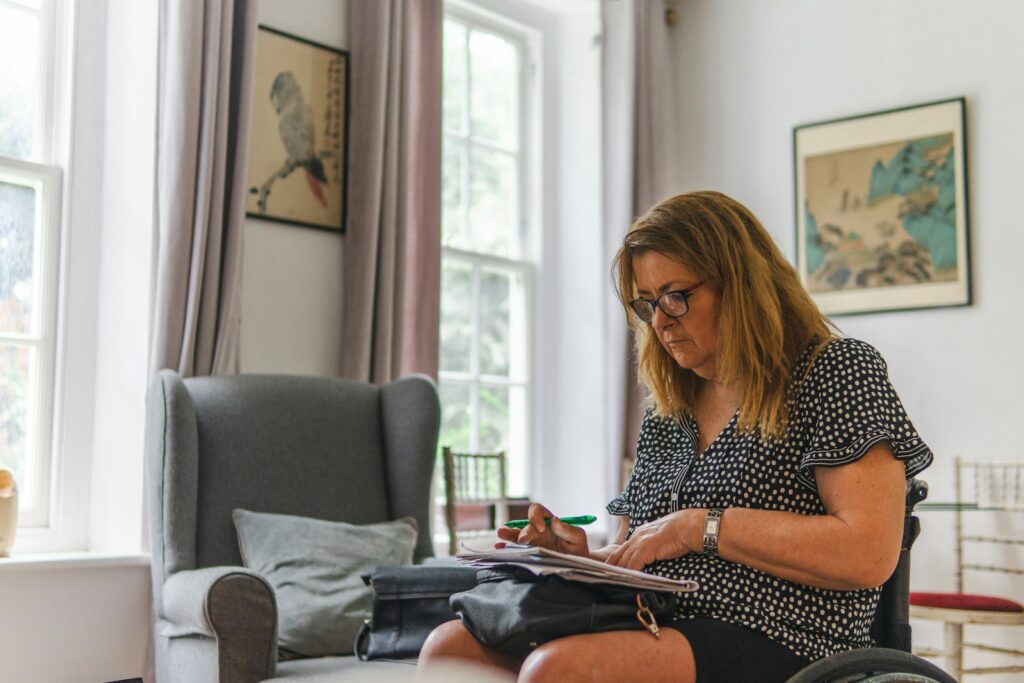
The daughter, who shared her story on Reddit, explained that her mother had limited mobility even before the hospital visit. However, upon her return, her physical condition had worsened; she struggled to ascend even a single step. After consulting with doctors, who indicated that her mother’s mobility was unlikely to improve, the daughter believed it was in her best interest to move her mother into a more accessible living space.
To facilitate the move, the daughter converted their downstairs living area into a comfortable bedroom for her mother, while her own daughter took over the mom’s previous room. This arrangement seemed practical given the circumstances, but the reaction from her mother was less than favorable.
When the daughter informed her mother of the permanent relocation, she became visibly upset. The mother had held onto the hope that her physical capabilities would restore over time, a belief that contradicted the medical advice both she and her daughter received.
Adding to the tension, the mother rejected the idea of hiring home health assistance, insisting that she could manage on her own. Ironically, since returning from the hospital, her mother has repeatedly called upon her daughter for assistance, expecting her to be available at all hours. This expectation has created frustration for the daughter, who feels caught between her mother’s demands and her own personal life.
Many on Reddit weighed in on the situation, expressing sympathy for the daughter’s predicament. One user pointed out that the daughter made a tough decision based on her mother’s condition and the need for practical living arrangements. Another reader noted that while the daughter acted in what she believed was her mother’s best interest, her mother’s refusal to accept help complicated matters further.
There’s a complexity in balancing a loved one’s desires against their actual needs. The daughter’s choice to move her mother downstairs was grounded in logic, yet it forced her mother to confront an uncomfortable reality about her health. The mother’s insistence that she didn’t need help, combined with her simultaneous requests for immediate assistance from her daughter, reflects a common struggle many families face when dealing with illness and aging.
The daughter is now navigating this fraught dynamic, feeling as though she’s being pulled in two directions. She wishes to respect her mother’s autonomy while also recognizing that her mother’s current state necessitates a more supportive living arrangement. The ongoing demands for her time further complicate the situation, leaving her feeling overwhelmed.
As tensions rise and expectations clash, the daughter is left pondering her next steps. How does one balance the needs for care, independence, and family responsibilities? These are questions that hit home for many people dealing with similar family dynamics.
Ultimately, the daughter is still processing her mother’s reactions and her own feelings of frustration. She finds herself in a position where no matter what she does, it seems there will be discontent from one side or the other. This dilemma may resonate with anyone who has tried to care for aging or disabled parents while managing their own lives.
More from Vinyl and Velvet:

Leave a Reply