

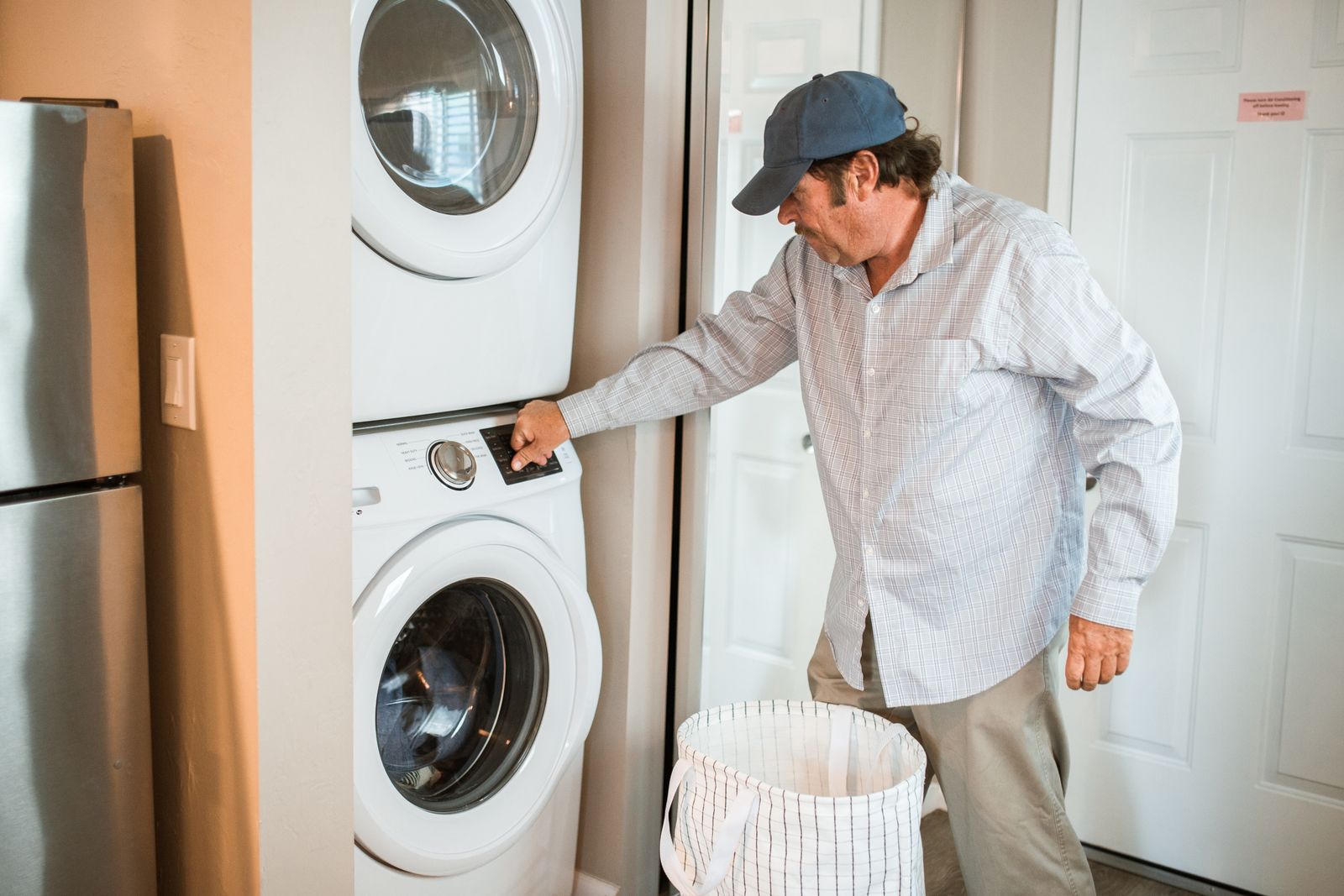
A man in the United States thought he was getting a great deal when he purchased a washing machine from a Craigslist seller for $400. However, his excitement quickly turned to frustration when the appliance failed halfway through its first wash cycle, leaving him with a malfunctioning machine and a hefty price tag.
After spending two hours trying to troubleshoot the washer himself, the buyer reached out to the seller, hoping for a resolution. He was met with silence. Infuriated, he decided to take matters into his own hands.
Realizing he may have stumbled upon a scammer who operated by selling faulty appliances, the victim began to investigate further. He discovered multiple listings from the same seller, who appeared to specialize in offloading broken appliances to unsuspecting customers. This only added to his anger.
The frustrated buyer concocted a plan. He set up a fake email account and reached out to the seller, this time inquiring about two large dryers he wanted delivered. “Can you deliver them? I’ll pay extra!” he wrote, disguising his intentions behind a friendly inquiry.
The scammer responded almost immediately, perhaps eager for another sale. The man feigned interest, explaining that he was located about 40 miles away. To the scammer’s delight, he agreed to make the trip.
They arranged to meet at a parking lot at 3 p.m., right in the heart of rush hour. The seller was likely anticipating a straightforward transaction, but the buyer was only concerned with wasting his time.
The next day arrived, and the scammer checked in, confirming their meeting. As the clock ticked closer to 3 p.m., the buyer kept updating the seller. He feigned being stuck in traffic, claiming he was “almost there,” despite still being a considerable distance away.
At around 3:45 p.m., the scammer was still waiting in the parking lot, growing increasingly impatient. Messages continued to pour in, each one more frantic than the last. “Are you here yet?” he asked in frustration, unaware that he had fallen into a trap.
As the minutes dragged on, the scammer sent an exasperated message, stating he was going to leave because he felt his time was wasted. The buyer, however, couldn’t contain his amusement. He relished the thought of the scammer sitting in traffic, potentially for no reason at all.
The buyer may have lost $400 on a broken washing machine, but he took satisfaction in the knowledge that he had successfully turned the tables on a scammer. Instead of just accepting his loss, he found an opportunity to waste the seller’s time in return, a small yet defiant act of revenge.
Online commenters were quick to share their support. One person told him, “That’s brilliant! A little payback goes a long way.” Another reader said that while he might not have gotten his money back, wasting the scammer’s time was a victory in itself. The shared sentiment was one of camaraderie, with many empathizing with the buyer’s frustrations.
As the day concluded, the buyer had a decision to make about his next steps. Would he report the scammer, or would he let the situation end here? His actions had brought him a brief sense of justice, but the question of whether to escalate the matter lingered in the air.
More from Vinyl and Velvet:

Leave a Reply