

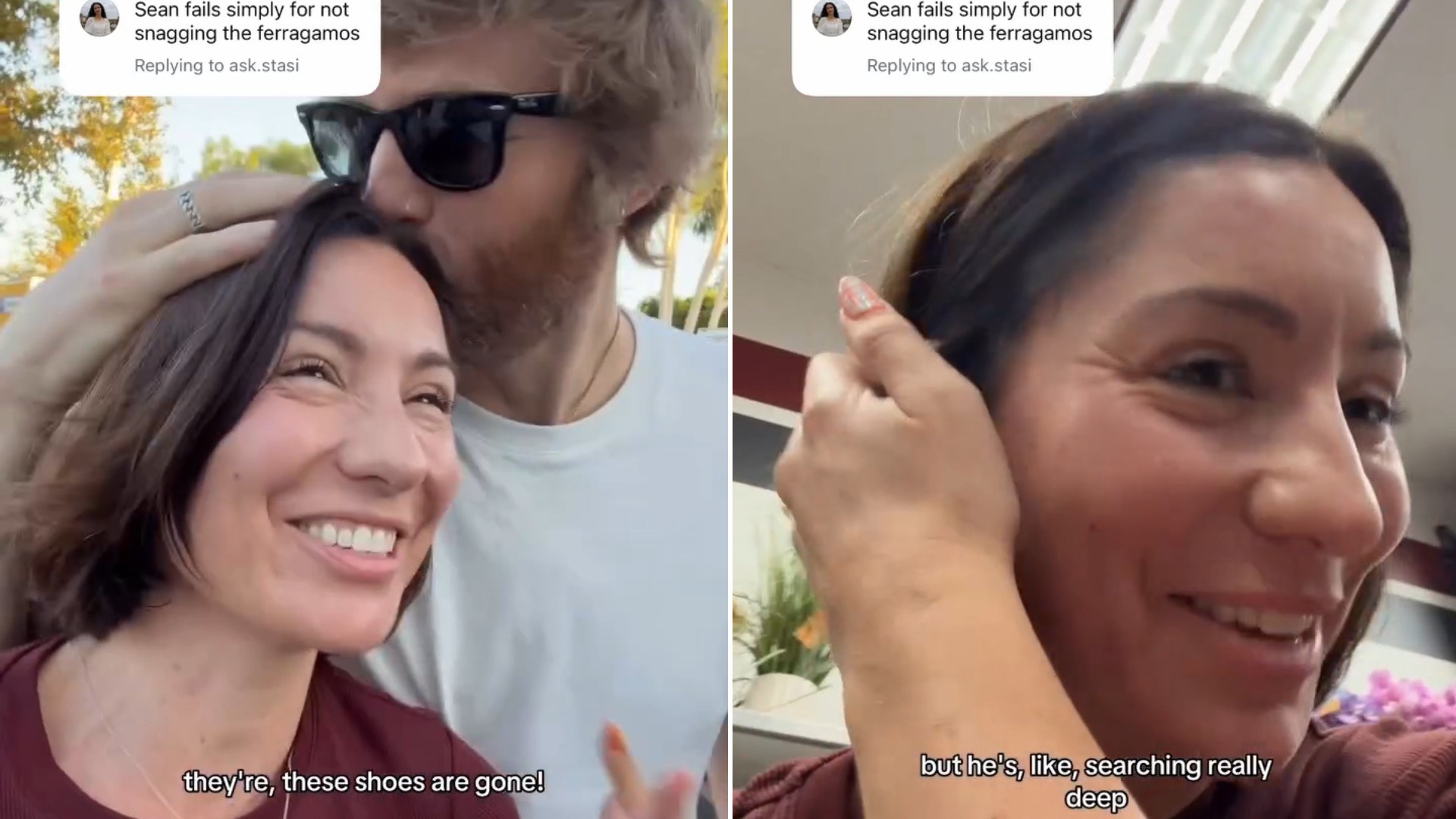
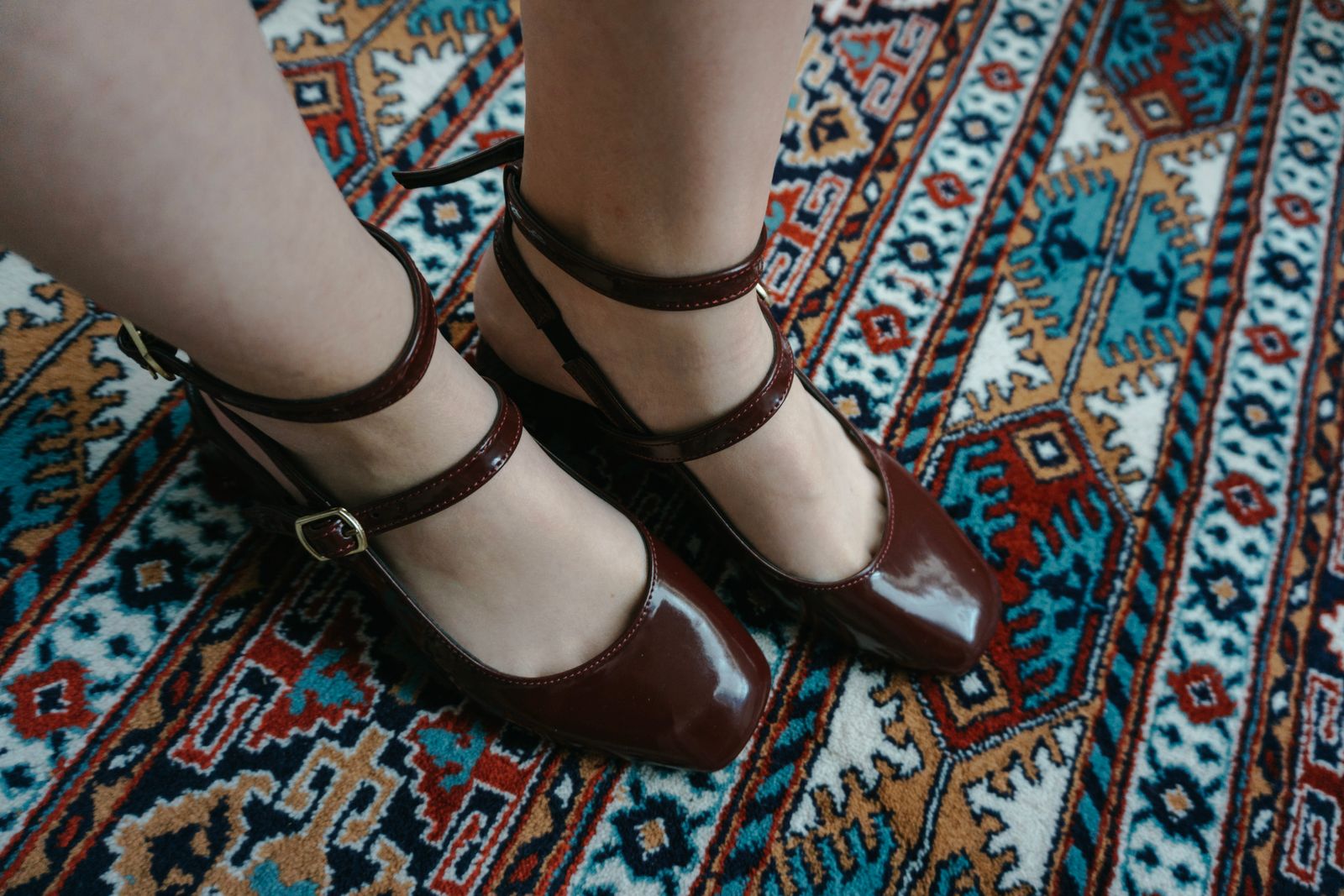
Some purchases haunt you a little after you walk away, and that is exactly the feeling @liliannawilde captured when she and her partner turned their car around and drove back into a thrift store for a pair of shoes they could not stop thinking about. The shoes in question were Ferragamo, the storied Italian luxury brand known for its craftsmanship and its price tag, and they had been sitting on a shelf with a sticker reading a mere eight dollars.
Narrating over footage of the two of them walking back through the store’s doors, the creator explains that she simply could not go to sleep without knowing whether the shoes were still there, after her partner had initially skipped them on their first pass through the aisles. That small disagreement, one person seeing the value immediately and the other walking past, is the kind of detail that turns an ordinary thrift trip into something closer to a shared story, the sort of thing a couple will bring up again years down the line.
View this post on Instagram
What could have been a straightforward return trip becomes, in her telling, a genuinely suspenseful mini story, with the video building tension around a simple question: would the eight dollar Ferragamos still be sitting on the shelf, or would another shopper have already recognized the same designer name and beaten them to it. That uncertainty is the entire emotional engine of the clip, turning a decision that most people would barely think twice about into a small, relatable drama about hesitation, regret, and the fear of missing out on a deal.
Ferragamo shoes typically retail for several hundred dollars new, sometimes well over a thousand depending on the style and materials, which is exactly why an eight dollar price tag on a pair at a thrift store registers as such an extraordinary find to anyone who recognizes the name. Luxury brand items do occasionally end up in secondhand stores through donations, and pricing staff at general thrift stores do not always have the specialized knowledge needed to recognize a designer label, particularly on shoes where the branding is sometimes subtle rather than emblazoned across the exterior.
That gap between a store’s general pricing and a designer item’s true resale value is precisely why so much of today’s thrifting culture revolves around learning to recognize brand markers on sight, whether that means a specific stitching pattern, a stamped logo on an insole, or a signature silhouette associated with a particular fashion house. Shoppers who build up that kind of knowledge are the ones most likely to spot an eight dollar pair of luxury shoes for what they actually are before someone else does.
The couple’s decision to turn around and go back also speaks to something true about thrift and resale shopping more broadly: hesitation is often the single biggest risk factor in losing out on a good find. Secondhand stores restock and rotate their shelves constantly, and unlike a retail store where an item will typically remain available to reorder, a one-of-a-kind secondhand piece that gets picked up by another shopper is simply gone, sometimes within hours of being put out. That reality is exactly what fueled the anxious energy driving this particular return trip.
For anyone who has ever walked away from a thrift store find only to spend the rest of the day regretting it, this story offers a clear, if slightly risky, piece of validation: sometimes going back really is worth it. Thrift and resale experts generally suggest that if an item is genuinely bothering you after you leave, particularly one priced low enough that the financial risk of being wrong is minimal, there is little downside to turning around and checking, since the worst outcome is simply confirming that someone else recognized the same value you did, and the best outcome is walking out with a designer piece for a fraction of its actual worth.
It is also a small window into how differently two people can weigh the exact same find in the moment. What looked like an easy pass to one half of the couple registered immediately as an unmissable opportunity to the other, and that gap in perception, more than the shoes themselves, is what ultimately turned an eight dollar tag into a story worth telling well after the purchase was made.
The story is also a small argument for trusting instinct over convenience, since the easy choice in the moment would have been to simply keep driving and let the question go unanswered, but the harder choice, turning around and checking, is the one that actually produced a story worth telling months or years down the line.
For readers facing their own version of this dilemma, a small, low-cost item worth going back for is rarely a decision to overthink, since the modest financial risk involved makes the potential regret of not checking far heavier than the minor inconvenience of simply turning the car around.
It also says something about how a shared memory, even a small, slightly silly one built around a pair of discount shoes, ends up mattering more over time than the actual dollar value of whatever the purchase turned out to be.

Leave a Reply