

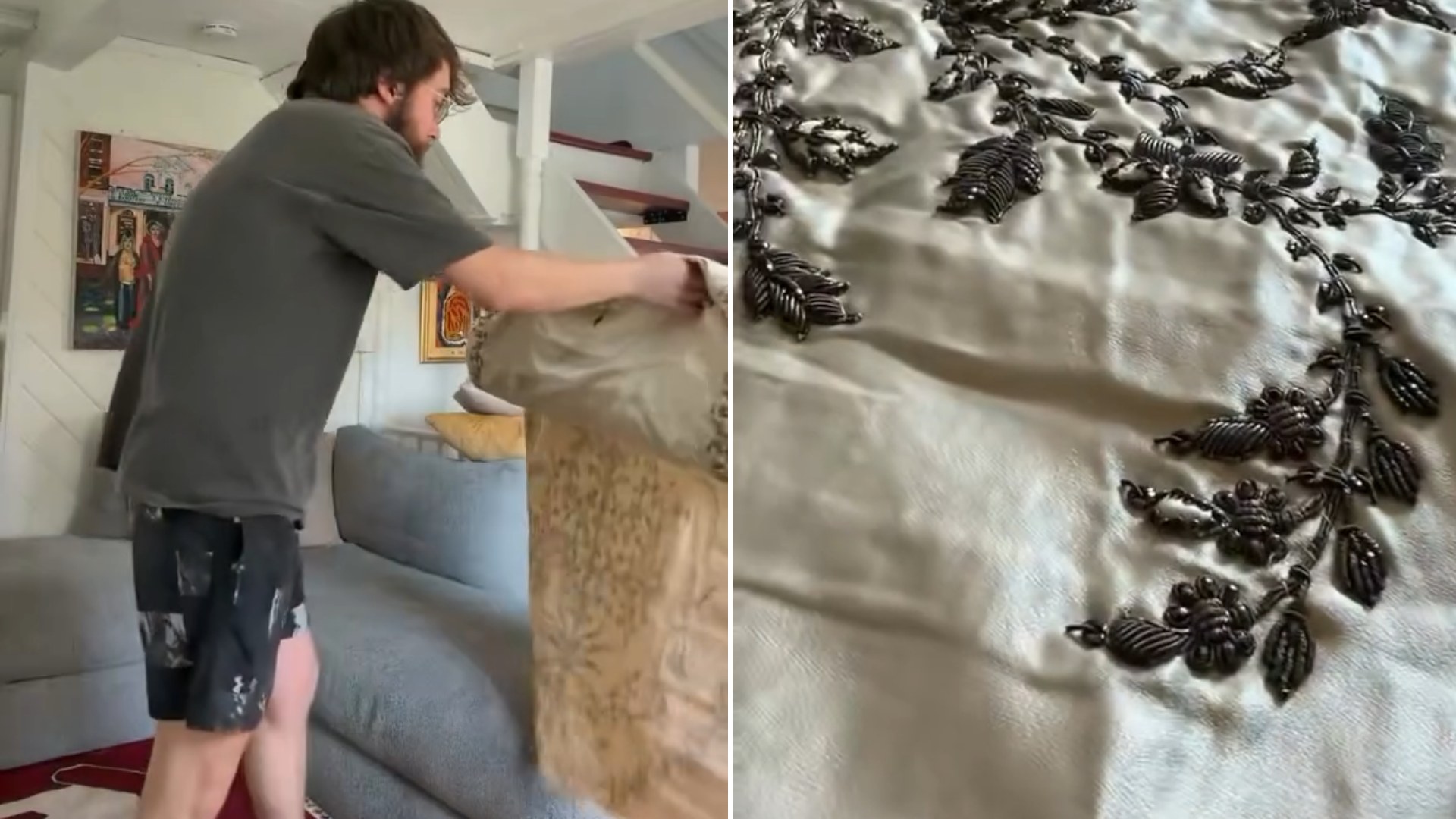
Sometimes the internet is just a very large group chat for solving mysteries, and collector @adamraiford put that theory to the test with a single antique textile. His video opens with him holding up an ornately embroidered piece of cloth, clearly old, clearly labor-intensive, and clearly unlike anything he could confidently identify on his own. “I FOUND MYSELF IN A SITUATION,” he says on camera, before laying out what he does and does not know about the piece and turning the question over to his followers. It worked. The clip pulled in over 665,000 views, more than 64 times his account’s typical reach.
What actually makes a textile identifiable
An untrained eye sees a beautiful old piece of cloth. A trained one sees a map, stitched in thread instead of ink.
Antique embroidery is genuinely difficult to date and place without training, and that difficulty is exactly what makes a mystery piece so compelling to a general audience. According to the Victoria and Albert Museum, experts lean on a combination of clues to work out where and when a piece originated: the specific stitch technique used, the materials involved, and the motifs stitched into the design. The museum notes, for example, that Chinese embroidery traditions split into distinct regional styles, from the naturalistic color work of Su xiu to the bold, flattened dragon-and-phoenix imagery of Yue xiu, while techniques like blackwork or Berlin woolwork carry their own telltale signatures tied to specific centuries and even specific decades of British textile fashion.
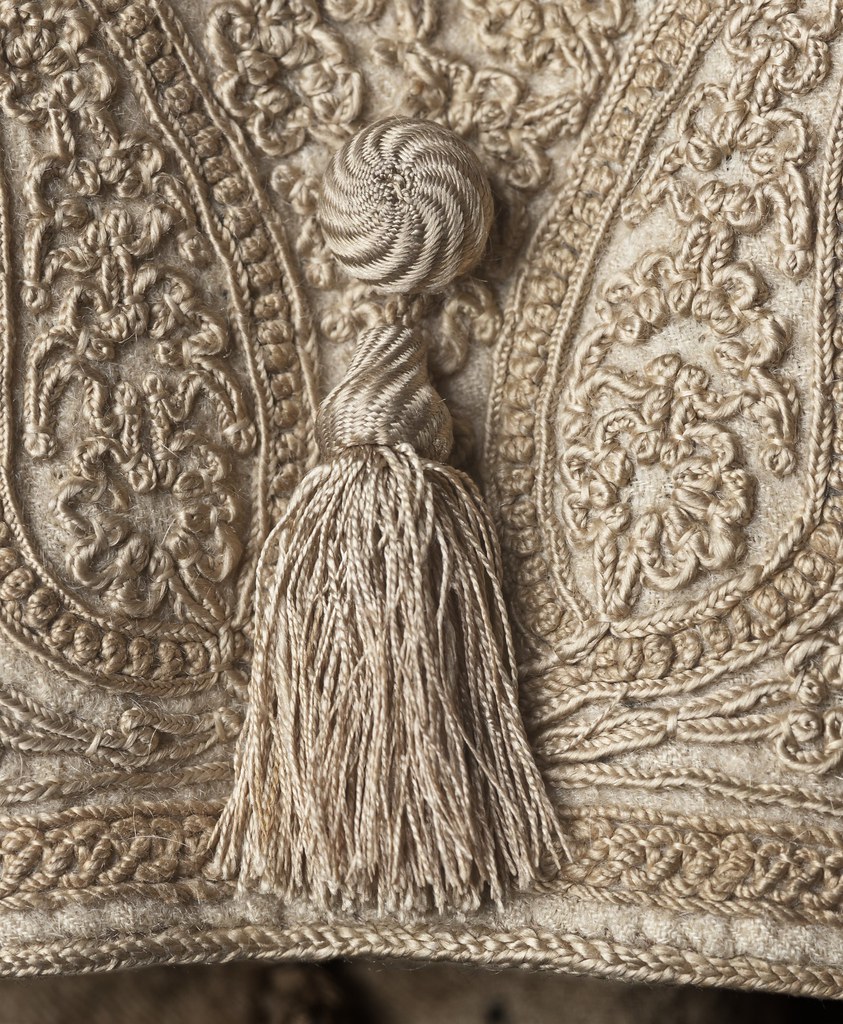
None of that is intuitive to a casual owner, which is exactly the gap crowdsourcing tries to fill. A single unusual textile might carry regional motifs, a particular thread material, or a construction method that means nothing to its current owner but instantly reads as familiar to someone with the right specialized background, whether that is a costume historian, a textile conservator, or simply a collector who has handled dozens of similar pieces before. Even whether the metallic threads running through a piece are genuine gold or a cheaper gilt substitute can shift both its age and its value considerably, a distinction the V&A notes trained eyes can often spot on sight.
Why asking the internet actually works
Museums have always relied on exactly this kind of collective expertise. Social platforms just made the process faster, and considerably more public.
Crowdsourcing an identification question sounds like a long shot, but it plays directly to social platforms’ biggest strength: reach across an enormous number of niche experts who would otherwise never see the object in question. A local antique dealer might only get one shot at examining a piece in person. A video posted publicly gets seen by anyone scrolling that day who happens to specialize in exactly the right thing, textile conservation, regional folk costume, ecclesiastical embroidery, whatever the piece turns out to require.
@adamraiford’s video captures that dynamic almost perfectly. Rather than pretending to have answers he does not have, he shows the object clearly, describes what stands out to him, and then opens the floor, betting that somewhere in his audience is exactly the right person to solve it. That kind of transparency, admitting uncertainty on camera instead of guessing confidently, is often what makes a crowdsourcing appeal actually succeed rather than just inviting a comment section full of equally uninformed guesses.
The pattern behind the mystery
Objects like this used to sit in a drawer for a generation before anyone with the right knowledge happened to look at them closely. Now a piece can reach thousands of potential experts within hours of being filmed, and that shift has quietly turned amateur collectors into crowdsourced curators, running a public appraisal that would once have required a museum visit and a very patient specialist.
It is a small but genuine shift in how collecting works. A single video invites an audience to contribute what they actually know, rather than simply admire an object from a distance, and the comment section becomes something closer to a working file than a scroll of compliments. Whether @adamraiford ever gets a definitive answer, the process itself is already doing something museums have relied on for centuries: gathering enough eyes on one object until the right piece of knowledge finally clicks into place.

Leave a Reply