

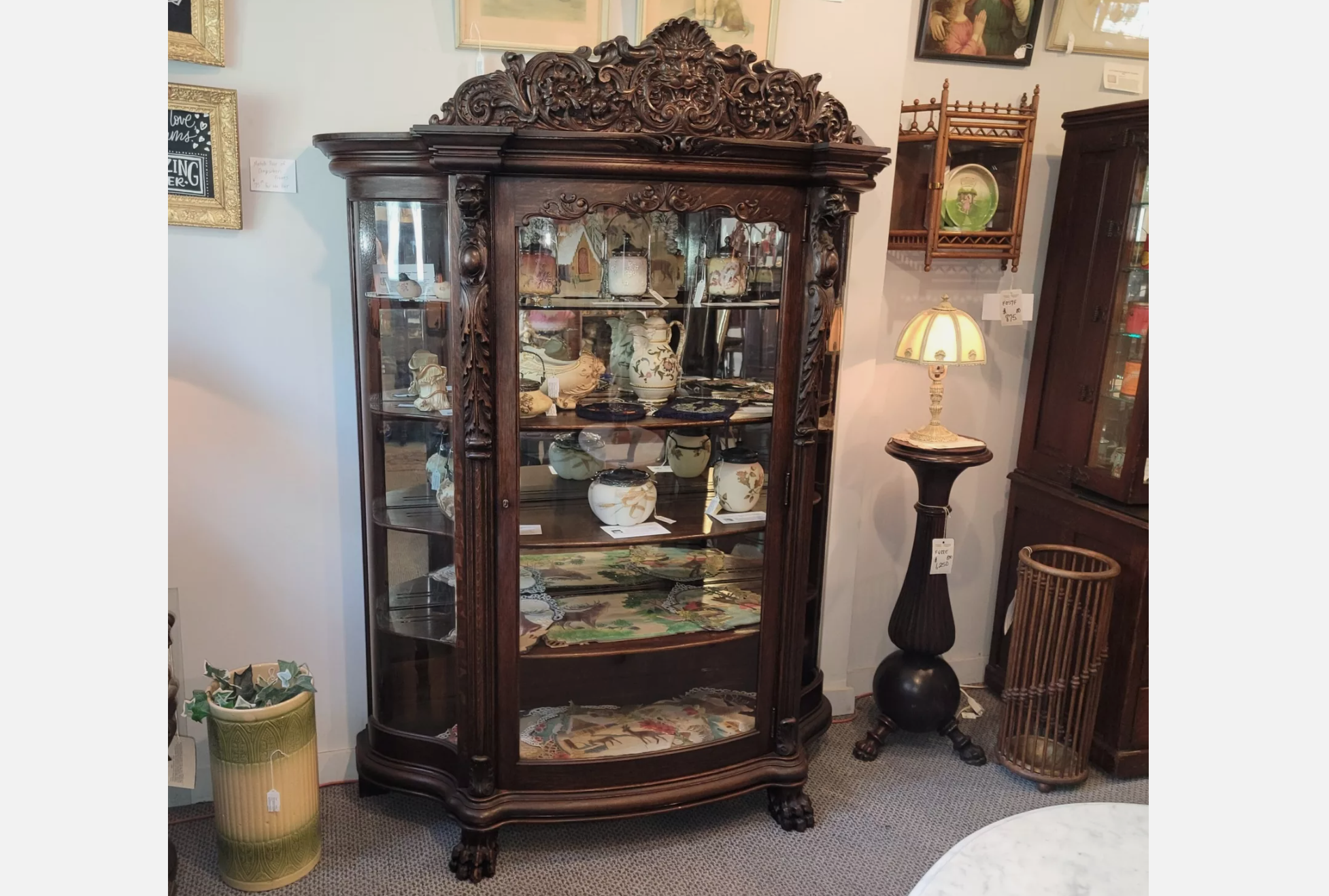
The china cabinet almost didn’t survive the open-concept decade. For most of the 2010s, glass-front hutches were the first thing flippers hauled to the curb, traded for sleek kitchen islands and bare floating shelves. Designers are putting them back now, and not empty. According to Homes & Gardens‘ 2026 decorating trend coverage, china cabinets are reappearing stocked with ruby-red goblets, pale green dessert plates, and hand-blown Murano glass — the same colored glassware a previous generation quietly boxed up for donation. These are the exact objects that got labeled “brown furniture” and “grandma’s china” a decade ago, priced to move at estate sales because nobody wanted them. Now they’re the centerpiece. The architectural detailing that got stripped out alongside them, paneling, wainscoting, anything with a profile to it, is coming back too.
The Cabinet Nobody Wanted a Decade Ago
A glass-front china cabinet eats up roughly as much floor space as a loveseat, which made it an easy casualty of the minimalist renovation years. Homes & Gardens reports designers are reinstating them anyway, describing the heritage storage pieces as offering “warmth, history, and a sense of lived-in comfort” that built-in cabinetry can’t fake. They aren’t going back in as museum displays either. Homeowners are mixing inherited dishware with newer ceramics on the same shelves, using the cabinet as working storage again rather than a spot to hide the good china until a holiday dinner. It’s a reversal of the logic that ruled the last decade of renovation shows, where anything with a door on it that wasn’t flush with the wall got framed as clutter. A hutch is, by definition, furniture that admits it’s storing things. That’s now being treated as a feature instead of something to apologize for.
Why the Glass Itself Is the Point
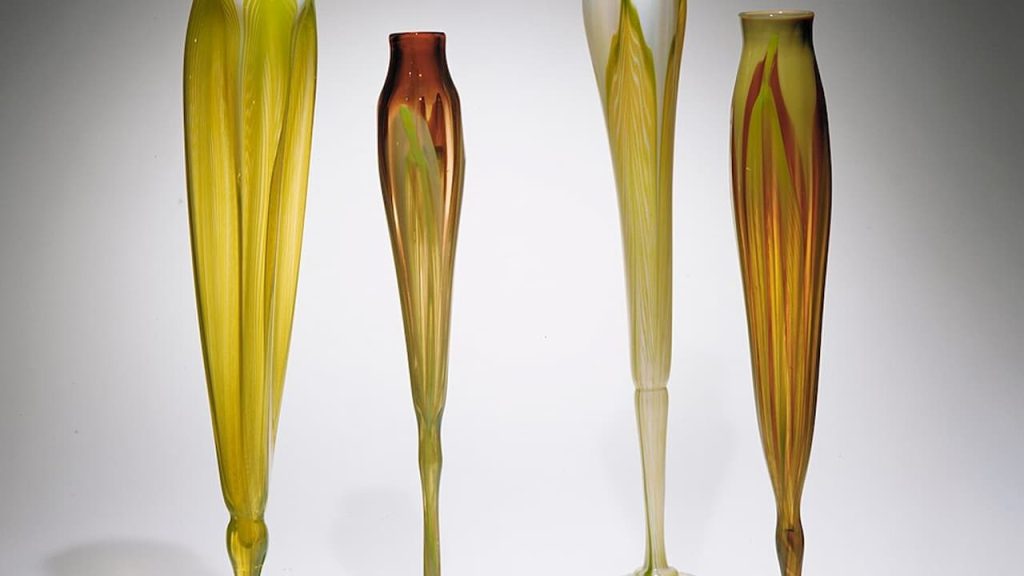
The bigger shift is what’s actually sitting inside the cabinet. Ruby-red goblets, amber tumblers, and pale green dessert plates, long relegated to yard-sale tables, are being arranged on open shelves specifically to catch light, per the same trend reporting. Murano glass is doing the heaviest lifting in that revival: hand-blown pieces prized for their “rich jewel tones and sculptural forms” are increasingly displayed as small artworks rather than tableware. That reputation predates the trend by centuries. Venice’s glassblowers organized into a formal guild in 1224, though the oldest surviving pieces that can be dated with confidence only go back to the mid-15th century. Everything earlier was too fragile, or too useful, to survive. Even so, the island’s techniques were copied so widely across Europe that “façon de Venise” became its own recognized style of imitation glass, a compliment paid to Murano by every glassmaker who couldn’t get the real thing. The craft is old and specific enough that the Corning Museum of Glass still funds dedicated scholarship devoted to reconstructing exactly how Renaissance-era Venetian glassworkers built it, technique by technique. A goblet on a modern sideboard is trading on all of that, whether the owner knows it or not.
The Walls Are Catching Up Too
Colored glass and a heavy wooden hutch don’t do much against a flat drywall box, which is likely why the same trend coverage points to architectural detailing making a parallel comeback: wainscoting and fluted wall paneling meant to give a room “depth, atmosphere, and longevity” instead of a builder-grade blank wall. Designer Tom Cox of Ham Interiors, quoted directly in the Homes & Gardens piece, treats those details as non-negotiable groundwork rather than an afterthought: “When we start a project, architectural detailing is one of the first things we consider… These elements may seem unimportant, but you instantly notice if you don’t have them, or if they feel wrong.” Fluted paneling specifically is being used to add “softness and rhythm while still referencing traditional craftsmanship,” the vertical grooves catching light in roughly the same way the glassware does a few feet away. Cox’s own summary of the appeal is blunter: “We love to play with paneling and boarding because they create an atmosphere. It works in so many different types of homes.” It’s a small pivot in framing, but a real one: paneling used to be sold as a way to update a dated room by covering it up. Now it’s being installed as the update.
A Pattern, Not a Coincidence
None of these individual pieces are new. A Murano vase and a claw-footed hutch are about as old-school as home decor gets, and colored glass has been sitting in thrift stores the whole time nobody wanted it. What changed is the reason people are buying it back. After a decade of homes built to photograph as empty and interchangeable, the appeal now is specifically that a piece looks like it belongs to somebody: chipped goblets, mismatched plates, wood that shows its joinery. A cabinet like that can’t be mistaken for a showroom, and lately that seems to be exactly the point. Give it a few more years and the flippers who spent the 2010s hauling these pieces to the curb may find themselves buying them back at a markup.

Leave a Reply