

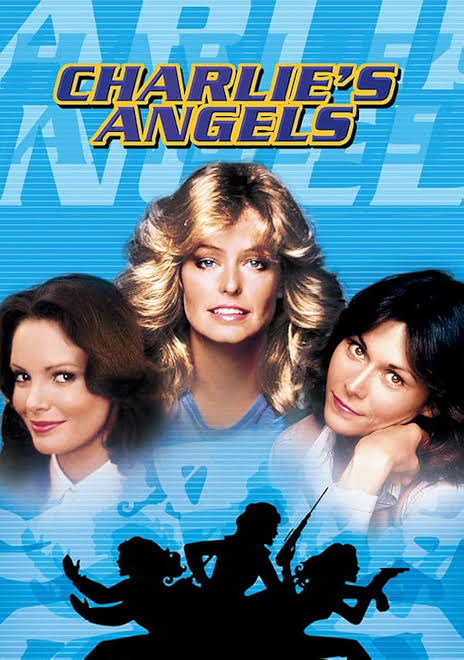
ABC’s own executives reportedly thought they had a dud on their hands before the numbers came back. Instead, the two-hour pilot movie pulled a 59 share of the viewing audience, a figure so strong the network treated it as a fluke worth double-checking. Charlie’s Angels debuted as a weekly series on ABC on September 22, 1976, and by November it was drawing more than half of all viewers in its own time slot. Fifty years later, the show is remembered for feathered hair and one very famous poster, but the ratings sheet behind that fame is the part that still reads like a fluke — except it wasn’t one.
From dismissed concept to top-five hit
Network history remembers the pitch as an afterthought — three women working for an unseen boss, solving cases, dismissed internally as one of the weaker ideas on the development slate that year. It didn’t stay dismissed for long. By the end of its first full season, Charlie’s Angels had climbed to fifth place in the Nielsen ratings, averaging a 26.0 rating for the year, and it held a spot as a top-ten program for both of its first two seasons. A 26.0 rating meant that more than a quarter of all households with a television in America — not just people watching TV at that hour, all households with a set — were tuned to a single hour of network programming. In an era before cable fragmented the audience into a hundred channels, that kind of number turned three relatively unknown actresses into the biggest thing on television within a single broadcast season.
Kate Jackson, Farrah Fawcett, and Jaclyn Smith carried the show on screen, while John Forsythe voiced the never-seen boss, Charlie Townsend, entirely by speakerphone — a structural gimmick that let the show center three women as the actual leads rather than supporting cast to a visible male star, which was itself a departure from most detective dramas airing at the time.
The poster that outsold the show
Stardom moved fastest for Fawcett, and it moved off-screen almost as much as on it. The red one-piece swimsuit poster she shot before the show even aired became, by Biography.com’s account of its sales figures, a genuine retail phenomenon: five million copies sold by March 1977, more than 12 million copies sold in total, making it the best-selling poster in American history. The economics of that poster are almost funnier than the number itself — Fawcett was paid roughly $5,000 per episode for her single season on the show, but reportedly earned around $400,000 in royalties off the poster alone, meaning the pinup outside the show ended up paying her far more than the show did.
Critics sneered, audiences didn’t care
The show’s reviews were rough from the start — critics dismissed it as glossy, disposable entertainment leaning hard on its cast’s looks over its plotting, a knock that stuck to the show’s reputation for years. None of that showed up in the ratings. Audiences kept the show inside the Nielsen top ten through its first two seasons regardless of what critics wrote about it, and Fawcett’s departure after just one season — she left to pursue film roles, a decision that reportedly triggered a contract dispute with the studio — didn’t sink the show’s numbers either; it continued for four more seasons with a rotating cast of Angels.
Fifty years on, the gap between the reviews Charlie’s Angels got and the numbers it actually posted is the real story. Critics called it disposable in real time. Nielsen, and twelve million poster buyers, disagreed loudly enough to make three unknown actresses into the most talked-about women on American television inside of one season — proof that a show can be dismissed by the press and still own the ratings book outright.

Leave a Reply