

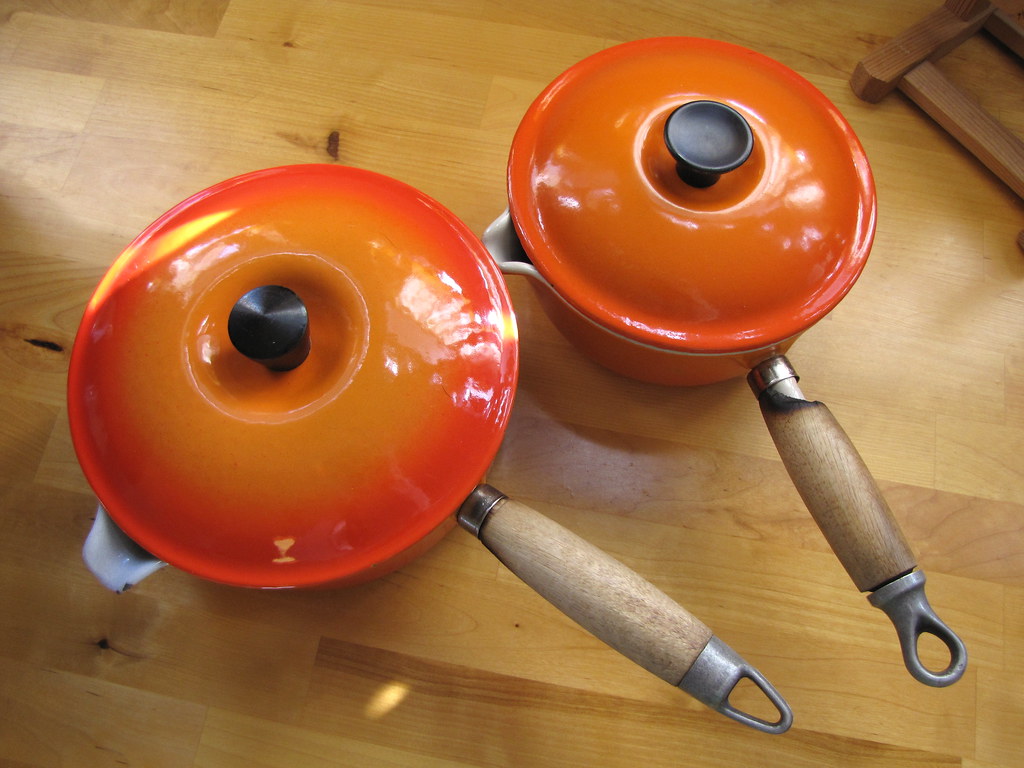
A five-dollar thrift-store find can turn into a two-hundred-dollar sale within weeks, and the difference usually comes down to a single detail: color. Vintage Le Creuset cast iron in a colorway the brand quietly retired years or decades ago regularly resells for far more than its original sticker price, which is why estate sales, church rummage tables and the bottom shelves of thrift stores have become genuine hunting ground for people who know what they’re looking at. The cookware is a century old as a brand, mass-produced enough to show up secondhand constantly, and specific enough by color and era that resale value swings wildly based on which discontinued shade you’re holding.
Where Le Creuset’s Colors Actually Started
Le Creuset was founded in 1925 in Fresnoy-le-Grand, France, by casting specialist Armand De Saegher and enameling expert Octave Aubecq, according to the brand’s history as documented on Wikipedia’s sourced entry for the company. The very first cocotte the company produced that year came in Flame, the saturated orange that remains the brand’s signature color and, per resale-tracking site Cluzy, is still “the most-requested” shade on eBay today. Every piece has been sand-cast and coated in at least two layers of enamel since that first run, a manufacturing process the company still uses at its original Fresnoy-le-Grand foundry.
What Discontinued Colors Are Actually Selling For
The value gap between a common current color and a genuinely retired one is not subtle. Kiwi, produced from 2008 to 2015, has seen a 5.5-quart Dutch oven sell for $240 on eBay; Cobalt Blue, made from 1985 to 2013, has had a 13.25-quart Dutch oven listed at $560; and Fig, discontinued in 2020 after a run starting in 2014, has sold a 3.5-quart piece for $373, according to home and lifestyle outlet Hunker’s review of discontinued Le Creuset values. Go back further and the numbers climb faster: Hunker reports that pre-1990 vintage colors like Elysee Yellow can sell “for five figures when it pops up,” with other early hues — Bleu Bell, Hunter Green, Pablo Brown, and the short-run Arlequin Collection colors Pamplemousse, Vert Florentin, Anthracite and Grenade — all commanding premium interest from collectors.
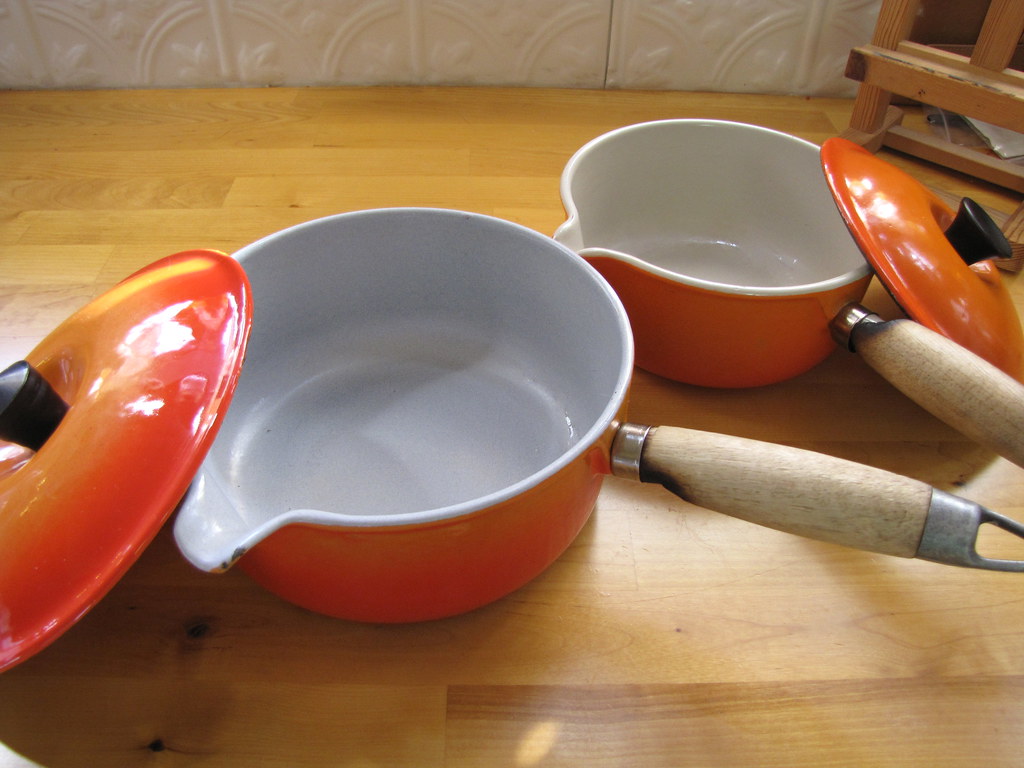
Even pieces in the brand’s flagship, never-discontinued Flame colorway can multiply in value once they’re identified as genuinely vintage. Cluzy, which says it pulls its pricing “from actual sold comps on eBay, Poshmark, Depop, and Mercari — not inflated asking prices,” documented a $25 thrift-store 24-centimeter round Dutch oven reselling for $245, a $20 oval baker reselling for $175, a $15 skillet reselling for $95, and a $30 vintage Flame braiser reselling for $285. In every one of those examples, the markup runs somewhere between five and ten times the original thrift price.
Why the Old Ones Are Actually Worth Buying, Not Just Selling
The resale premium isn’t purely nostalgia pricing. Cast iron with a proper enamel coating doesn’t warp, doesn’t need seasoning the way bare cast iron does, and holds heat evenly enough that decades-old pieces still perform at the stove the same way a brand-new one does, provided the enamel hasn’t chipped through to bare metal. That combination — genuine functional durability plus a retired colorway that can’t be repurchased new — is exactly what turns a cooking pot into a collectible in a way that, say, a discontinued toaster color never quite does.
How to Actually Spot the Valuable Ones
The identifying details are on the piece itself, not guesswork. Vintage Le Creuset is stamped on the underside with a size number, and often a country-of-origin mark and a stylized “LC” logo whose exact styling has changed across decades, which collectors use to rough-date individual pieces. Color obviously matters most, but so does condition: enamel that’s crazed, chipped down to the iron, or heavily stained inside a light-colored interior knocks value down fast, while a piece with only cosmetic exterior wear and an intact interior enamel holds most of its resale ceiling.
The math is what makes this worth checking every single bin. Most people donating or selling old cookware have no idea their pot’s color was discontinued fifteen years ago, which is exactly why a stack of unassuming Dutch ovens at a thrift store or estate sale is still, genuinely, worth flipping over to check the bottom.

Leave a Reply