

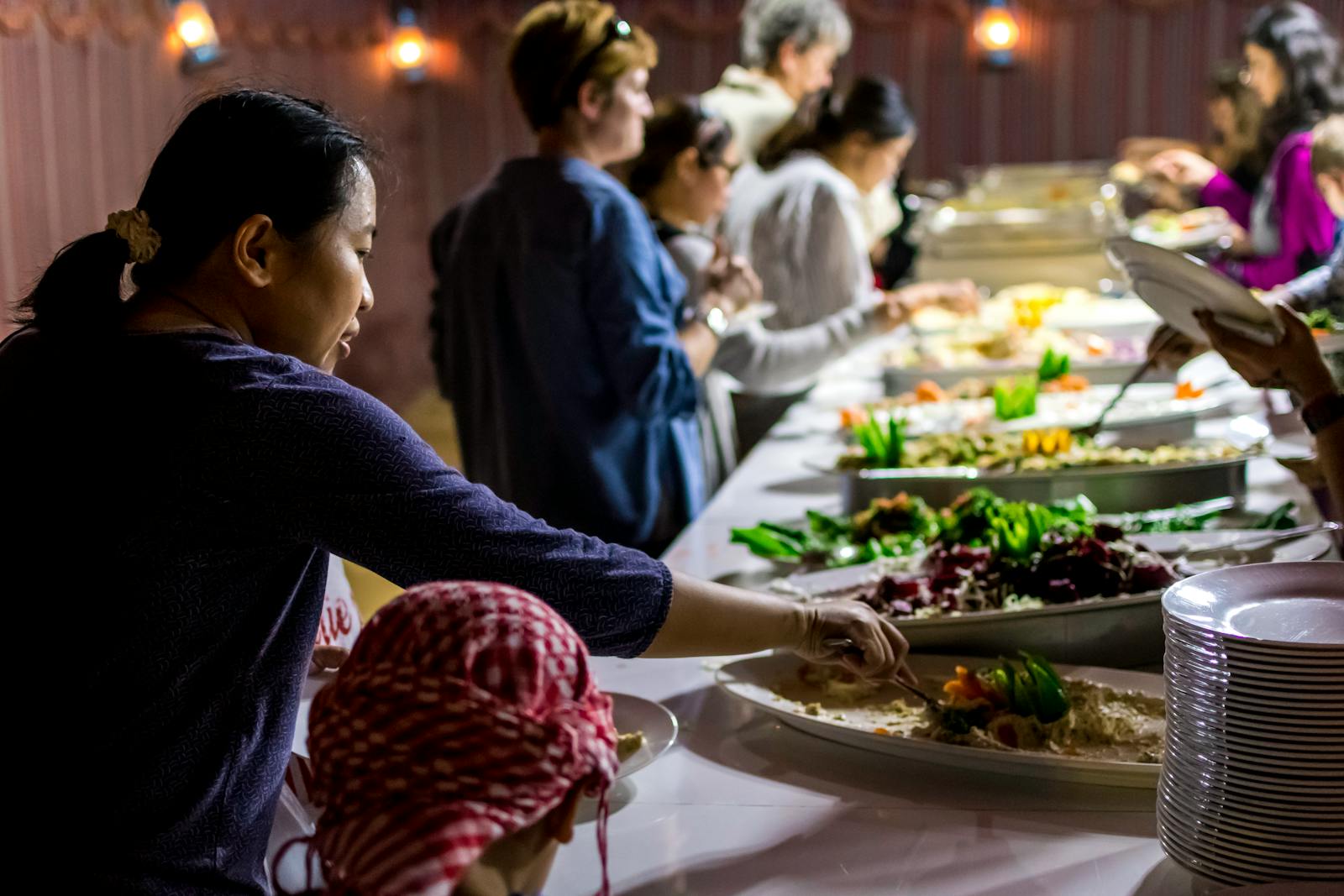
A family outing at a buffet turned into an uncomfortable scenario for a young diner and her relatives when a pair of women skipped ahead in line, leading to an unexpected food offer that sparked a debate on etiquette and hygiene.
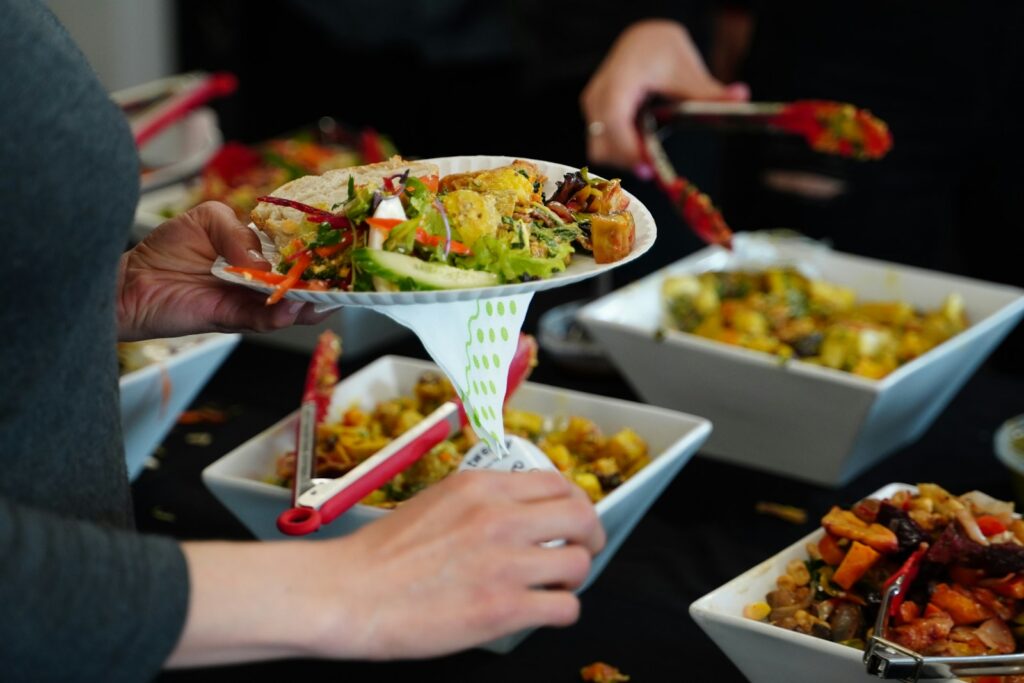
The family, which included siblings and parents, was waiting patiently for their turn at a brunch buffet known for its variety of breakfast items. As they stood in line, two women in their 30s or 40s bypassed the queue, placing themselves directly in front of the family. The family exchanged glances but remained silent, as addressing such behavior felt out of place according to their cultural norms.
Once the women reached the food station, one of them ordered a plate of eggs but quickly changed her mind. “Nevermind, I don’t want this,” she declared, leaving her plate behind as she and her companion walked away. This left the family bewildered, unsure of how to respond to the sudden shift.
When it was finally the young woman’s turn to place her order, she politely requested two scrambled eggs and two pieces of bacon. However, instead of fulfilling her request, a buffet worker pointed at the abandoned plate left by the woman who had just walked away. The worker insisted, “So? She can eat it. This is eggs. I’ll give her bacon.”
The young woman was taken aback, saying, “Sorry, but that’s not ours. This plate belongs to the woman who just walked away.” The worker, unfazed, repeated the suggestion to eat the leftover food. Refusing to accept food that had already been on someone else’s plate, she expressed her discomfort by simply thanking the worker and leaving without food.
Feeling overwhelmed, she grappled with the notion that she might be associated with the actions of the women who had skipped the line. To her, eating from a stranger’s plate was unacceptable and gross. The idea of consuming food that might not have been safe was unsettling, and she simply didn’t want to risk getting sick.
Later, when discussing the incident with her family, her father and siblings reassured her that she handled the situation well. However, her mother had a different perspective. She saw nothing wrong with the idea of eating from the plate, suggesting that since the food had not been touched, it was wasteful to let it go uneaten. This discord among family members added an uncomfortable layer to the original scenario.
The young woman pointed out that the woman who had abandoned her plate might have eaten something else from it, raising concerns about food safety and hygiene. She explained her feelings of unease: “The food was also cold. I understand not wanting to waste food, but I don’t want to get sick.”
This incident highlights a clash of personal boundaries and social norms. For many, the concept of eating food left behind by a stranger feels too intimate and unhygienic, while others may view it as a practical solution to reduce waste. The young woman’s experience of feeling pressured to accept leftover food is a reminder that dining etiquette can vary widely based on cultural and personal preferences.
One reader chimed in, saying, “It’s totally gross to eat off someone else’s plate, even if it was left behind.” Another commented that the worker’s suggestion was inappropriate and unprofessional, stating, “A buffet should have better standards for food safety.”
The incident at the buffet raises unanswered questions about restaurant etiquette and what is considered acceptable behavior in dining establishments. It serves as a case study on how personal comfort with food can clash with communal norms, especially in settings designed to reduce waste.
The young woman is now left reflecting on the experience, pondering whether she should report the restaurant or simply view it as an uncomfortable day out. The disagreement with her mother lingers in her mind, underscoring the complexities of social expectations and personal boundaries.
More from Vinyl and Velvet:

Leave a Reply