

A sibling dispute recently erupted on social media as a Reddit user shared their frustration with their brother and sister-in-law over what they perceive as a lack of consideration during family gatherings. The story highlights a common challenge in family dynamics—balancing contributions and expectations during communal events.
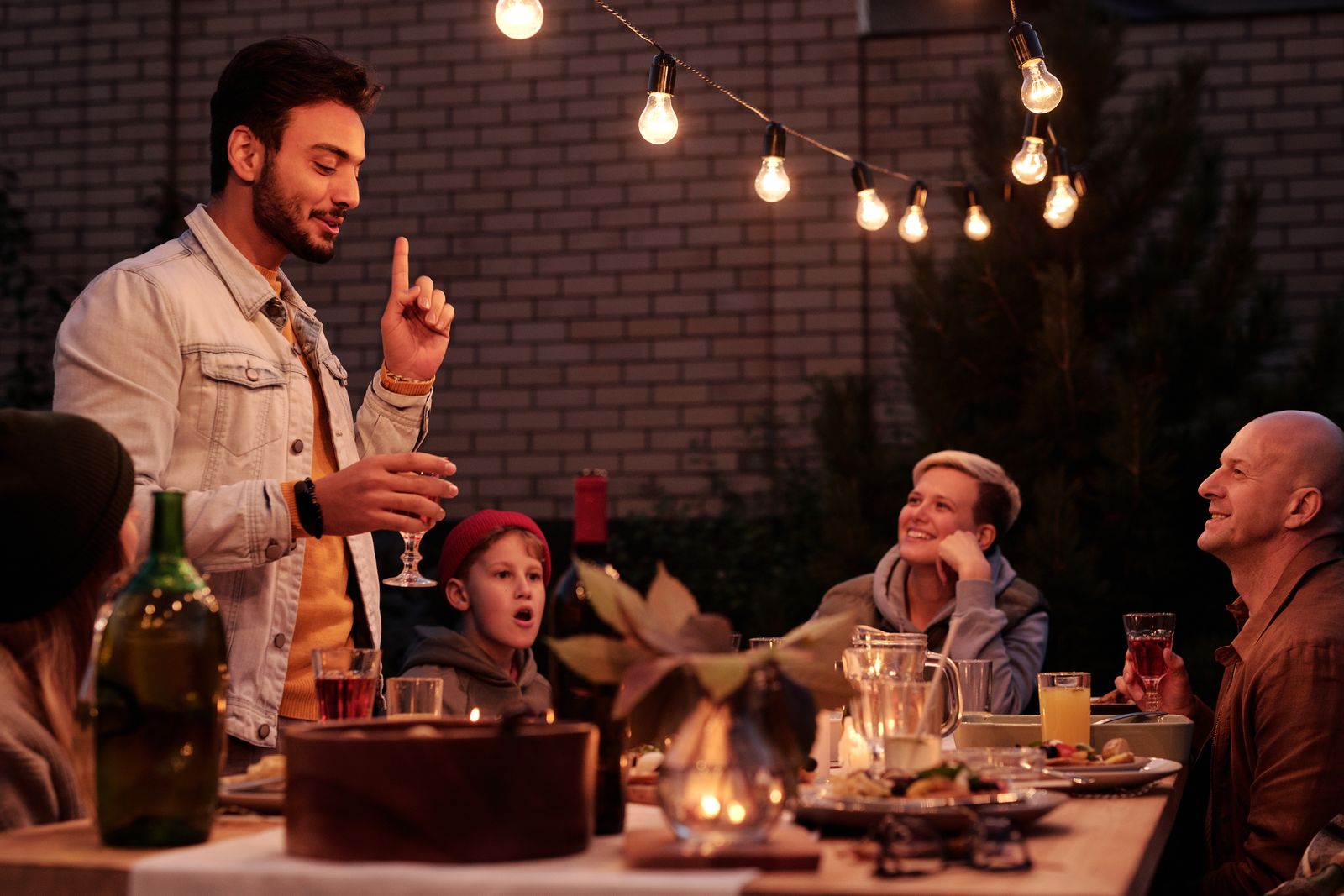
The original poster, who has long felt a growing imbalance in familial relationships, voiced their concerns after a series of incidents that they found troubling. According to the poster, family gatherings often see everyone contributing food and desserts, except for their brother and his wife. Instead, the couple took home nearly all the leftovers, leaving little for others.
An example from the poster’s birthday highlighted the perceived disregard for their participation. During a recent celebration, the family was to have a barbecue where everyone was expected to bring their items for grilling. The brother and sister-in-law decided to skip the event, but still asked the family to prepare some food for them. This felt to the poster like a consistent pattern of expecting without contributing.
Perhaps the last straw came when the brother and his wife took nearly all of the food, including a specially prepared vegan cake meant for the poster. This especially stung because it was the first vegan cake made specifically for them, and they were left with only a tiny slice. When the poster confronted their brother about this behavior, they received an emotional response instead of understanding.
The discussion turned into what the poster described as a “crying conspiracy scene.” The brother began weeping, claiming the family was conspiring against him and stating that he would have preferred immediate feedback instead of being confronted about their actions later. The poster, however, explained that they believe in taking time to reflect on issues before addressing them directly.
The brother cited the challenges of parenting an eight-month-old baby as part of the reason for their lack of engagement. This left the poster feeling caught, unsure of how to respond to a situation they felt did not require parental experience to understand. They questioned whether it would be too difficult for the brother and sister-in-law to at least bring a simple dish or offer help during family functions.
In a culture that often emphasizes give-and-take, the poster found this scenario increasingly frustrating. They wanted their brother to show initiative and consideration without having to ask. “Isn’t it basic decency to think about others when grabbing leftovers?” the poster questioned. This sentiment resonated with many who feel that mutual respect and effort are cornerstones of familial relationships.
The aftermath of the birthday celebration left the poster feeling guilty for bringing up their concerns, even though they believed it was a necessary conversation. They expressed surprise that addressing their feelings about the imbalance could lead to such a dramatic reaction from their brother. Instead of a constructive discussion, it turned into a situation that overshadowed an important celebration.
One reader commented on the post, saying, “It sounds like your brother needs to step back and see that family gatherings are a shared effort.” Another expressed sympathy, suggesting that the poster’s feelings were valid and that it is reasonable to expect some level of consideration from family members.
The conversation reflects a broader narrative of familial expectations. How much should one person contribute to family gatherings? At what point does the balance shift too far toward one side, leading to resentment? The poster sought to bring about more awareness regarding these dynamics but was met with emotion rather than understanding.
Ultimately, the poster is left contemplating whether to apologize for voicing their feelings or to stand firm in their request for change within their family. As they grapple with the fallout of the birthday debacle and its implications, the question remains: is it too much to expect that family members should contribute more equitably during gatherings?
More from Vinyl and Velvet:

Leave a Reply