

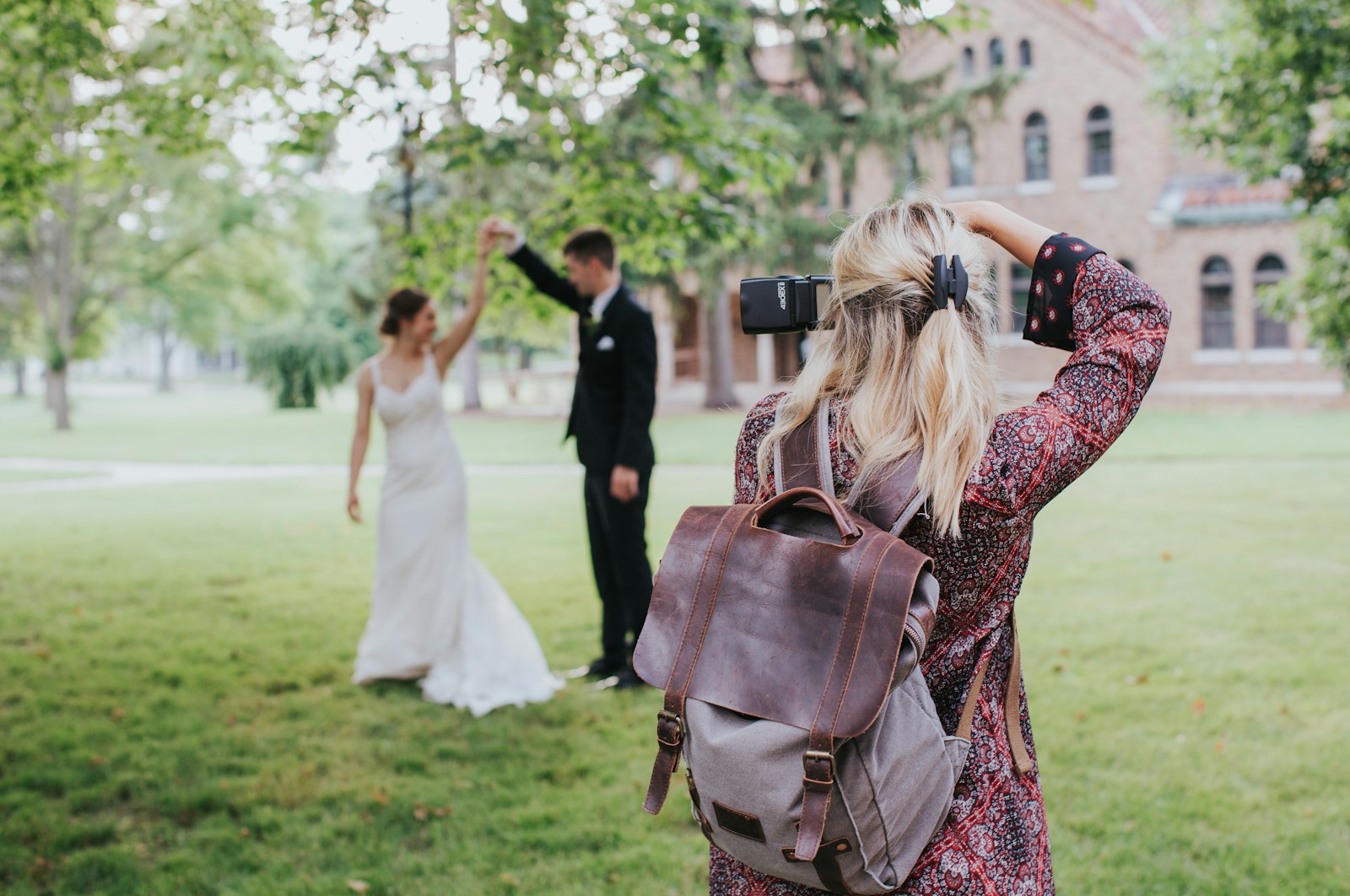
A bride recently made headlines after a wedding photographer shared her story on social media, revealing a troubling timeline following a tragic event. The bride initially contacted the photographer to reschedule her wedding, but just a week later, the photographer learned the reason for the change was far more heartbreaking than anticipated.
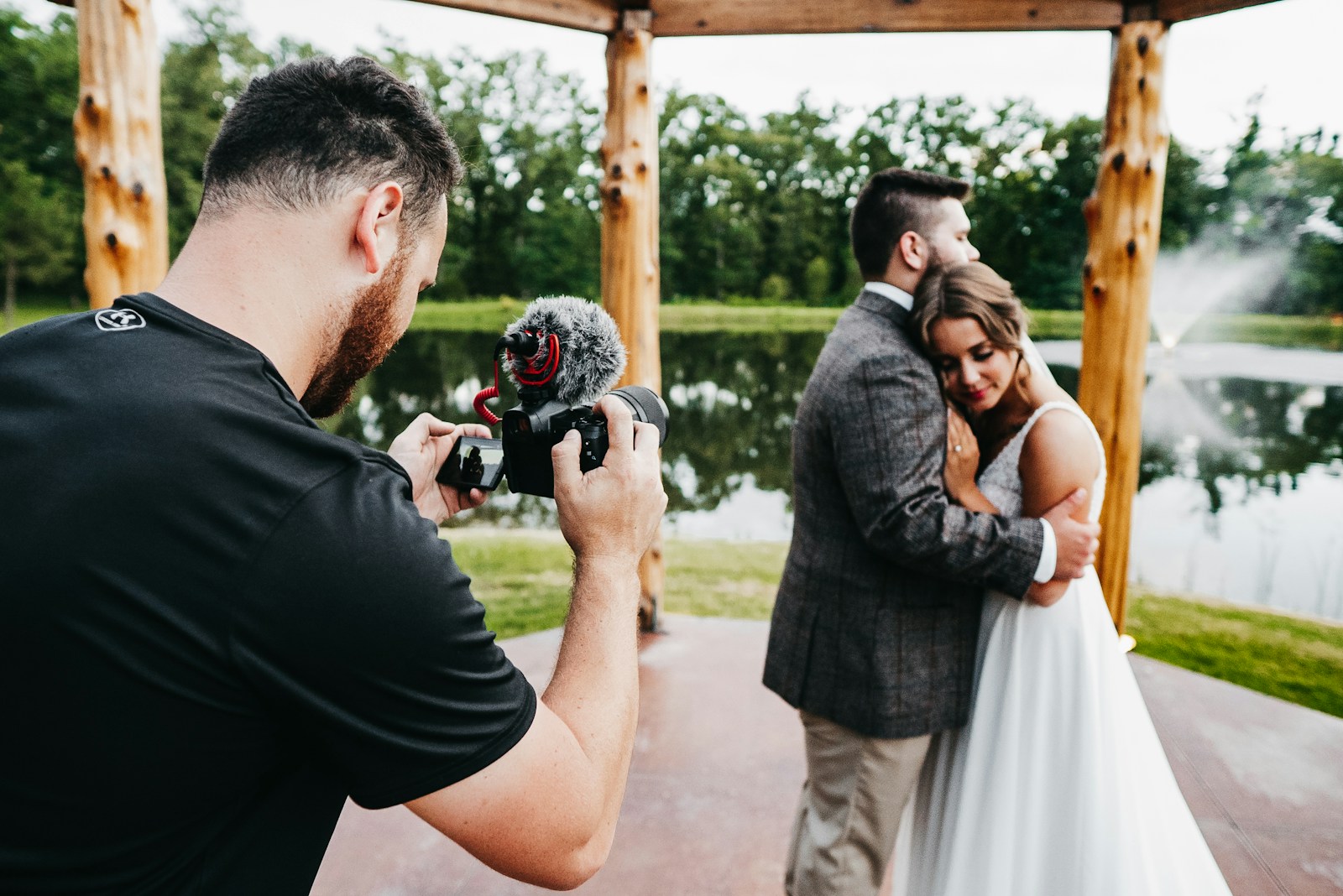
The photographer explained that the bride had called two months in advance to shift the wedding date and that she had been accommodating to the change. It was a straightforward adjustment until the photographer discovered that the bride’s fiancé had died in a car crash just prior to this call, prompting her decision to reschedule.
When the photographer reached out to offer her condolences, she was met with an unexpected response. The bride said, “I’m still getting married.” This revelation turned the situation from a tragic story of loss into something much more complicated.
It transpired that the wedding was postponed not just due to the fiancé’s death but because the bride had already moved on. She had contacted another man before her fiancé was even buried, coordinating plans for a new wedding date that included his family. The timeline shocked the photographer, who had believed she was supporting a grieving bride.
According to the photographer, her initial instinct was to help the bride in her time of need, which included refunding the deposit she had taken for the original wedding date. The photographer found herself in an uncomfortable position, where compassion clashed with the business side of her work.
This story raised eyebrows among those who read about it on social media. Many couldn’t understand how the bride could transition so quickly from mourning her fiancé to planning a new life with another man. The speed of her decision appeared jarring to those unfamiliar with her circumstances.
One reader pointed out that grief manifests differently for everyone, suggesting that perhaps the bride was not only feeling loss but also seeking a way to escape the pain through new beginnings. Another comment reflected disbelief, with someone asserting it was hard to see how anyone could move on so quickly after such a profound loss.
As the comments continued, the discussion highlighted a range of reactions. Some sympathized with the bride’s possible need for comfort and support following a traumatic event, while others criticized her for appearing insensitive to the memory of her late fiancé.
The story also raises questions about how we interpret grief and moving on. Everyone has their own timeline for healing, and the contrast between the bride’s actions and societal expectations surrounding mourning can create confusion. It opens a window into the complexities of love and loss.
While the photographer faced a challenging decision regarding the deposit, she was also left to grapple with what this means for her role in future weddings and her perception of her clients. How much does one truly know about a person’s life when they are hired to capture one of its biggest moments? This situation blurred the lines between personal tragedy and professional obligation.
Ultimately, the photographer decided to refund the deposit, taking an empathetic approach despite the confusion surrounding the bride’s quick transition. Yet, the fallout from this experience left her reflecting on the nuances of human relationships and the unpredictability of life events.
As this story illustrates, love can take many forms, and timing is a tricky aspect often shrouded in emotion. The bride’s choice to move forward with a new partner indicates that for some, the idea of starting anew can also coexist with grief.
In the end, the wedding industry is no stranger to the unexpected, but this case reveals just how intertwined joy and sorrow can be. The photographer continues to think about the unique stories behind each couple she works with, now with a heavier heart.
More from Vinyl and Velvet:

Leave a Reply