

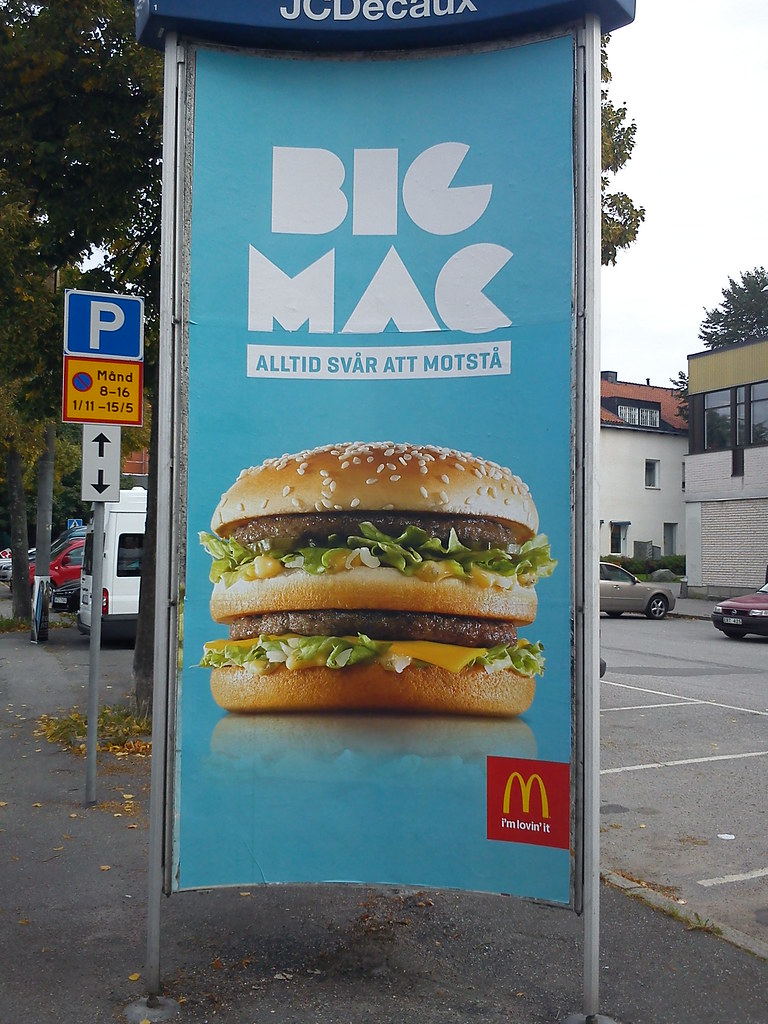
On April 22, 1967, a McDonald’s franchisee in Uniontown, Pennsylvania, began selling a 45-cent double-decker burger that corporate headquarters had spent two years telling him not to build. Jim Delligatti had been pushing since 1965 for a bigger sandwich to compete with a nearby Burger King, and when the company finally let him test one, he got around its “use only approved ingredients” rule by ordering a three-part sesame-seed bun from an outside bakery instead of inventing a new filling. The burger he built at his own restaurant now sells every few seconds worldwide, and McDonald’s own corporate archive still credits him for it by name.
A Sandwich Corporate Didn’t Want
Delligatti ran several McDonald’s franchises around Pittsburgh, and by the mid-1960s he’d noticed that construction workers and truckers wanted more food than a single hamburger patty provided. He pitched a larger sandwich to company leadership, and the answer, according to McDonald’s own posted corporate history, was no. Strict standardization governed the chain at the time: every restaurant used an identical, short list of approved ingredients, and a two-patty burger with its own sauce and structure broke that system outright. Delligatti tested the idea anyway, refining it at his own expense across more than one location, until corporate finally agreed to a supervised local trial in 1967. The Pittsburgh Magazine account of that campaign describes years of pushing before headquarters relented.
Built Around One Loophole
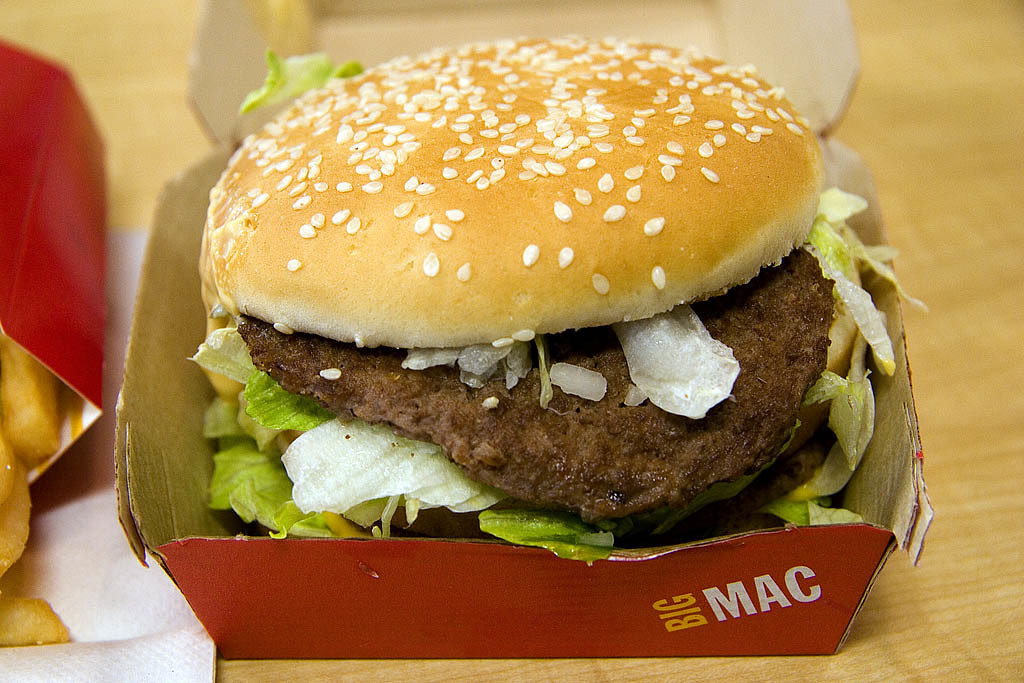
The rule said Delligatti had to use ingredients already stocked in a McDonald’s kitchen, so he worked around it rather than breaking it outright. He asked a local bakery to slice a standard bun into three pieces instead of two, giving the sandwich a middle layer sturdy enough to hold two beef patties, shredded lettuce, cheese, pickles, onions, and a proprietary sauce without falling apart in a customer’s hands. History.com puts the debut price at 45 cents on the day it first went on sale at his Uniontown restaurant, a noticeable jump over an ordinary hamburger. It sold well enough, quickly enough, that McDonald’s authorized a full national rollout the following year, in 1968.
Corporate Credit, Decades Later
What separates the Big Mac’s origin story from most fast-food folklore is that the company itself eventually settled the authorship question in writing. When Delligatti died in 2016 at age 98, McDonald’s did not issue a vague tribute and move on. Its statement called him “a legendary franchisee within McDonald’s System who made a lasting impression on our Brand,” language pulled directly from the company’s own history page, which remains posted as an official record rather than a fan tribute. The same page describes him as “an insightful franchisee, a knowledgeable businessman, and an honorable gentleman,” crediting him by name for a product that had, by 1986, become recognizable enough that The Economist built an entire currency-comparison tool, the Big Mac Index, around its price.
A Jingle Built the Legend, But the Franchisee Built the Burger
Part of why the Big Mac’s true inventor gets overlooked is that a different piece of marketing became more famous than the man who created it. By 1974, McDonald’s had turned the sandwich’s ingredient list into a nationwide advertising jingle — “two all-beef patties, special sauce, lettuce, cheese, pickles, onions, on a sesame-seed bun” — that generations of Americans could recite without ever learning who built the thing in the first place, per History.com’s account of the campaign. Delligatti reportedly kept eating at least one Big Mac a week for the rest of his life, a habit that outlasted the jingle, the executives who first turned him down, and most of the restaurants he originally ran it out of.
A Business That Outlasted the Man
Delligatti’s family kept operating McDonald’s franchises across Pennsylvania and North Carolina for four generations after his original 1967 gamble, according to the company’s own account of his life. That detail matters because it complicates the usual story of a corporation quietly absorbing a good idea and erasing the person behind it. The Big Mac wasn’t dreamed up in a corporate test kitchen or workshopped by committee. It came from one franchisee’s stubborn conviction that his regulars wanted something bigger than what headquarters was willing to sell them, built on his own dime, at his own restaurant, until the company that had told him no twice finally admitted he’d been right all along.
Most fast-food chains sell a founder myth polished by decades of marketing. McDonald’s, unusually, can point to a dated, named, internal record of the one employee who actually built the thing that made it famous.

Leave a Reply