

That shoebox of old letters in the attic might be nothing but yellowed paper. Or it might hold a postage stamp that has collectors reaching for their checkbooks.
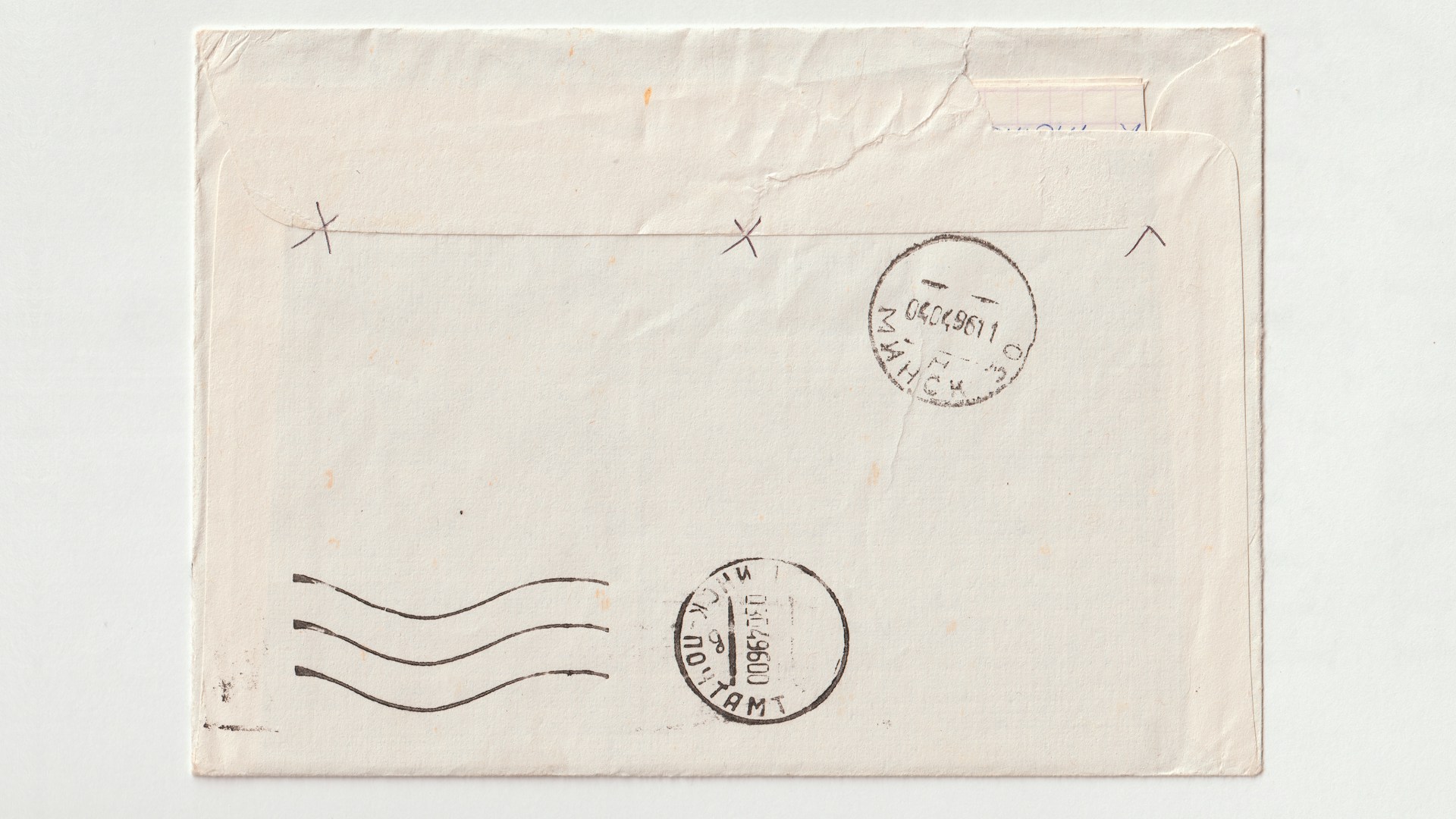
According to History.com’s list of the most valuable U.S. stamps by John Ortved (published 2018, updated 2025), the rarest American stamps tend to be mistakes, firsts and one-of-a-kind survivors. Here are nine from that list worth knowing by sight before anything goes in the trash.
A fair warning up front: these are museum-level treasures, and the odds of finding one in a box of old mail are very small. But the stories behind them are too good to skip, and they show you what collectors actually hunt for.
The Upside-Down Airplane That Sold For $1,351,250
The Inverted Jenny of 1918 is the most famous of them all. According to History.com, the stamp shows the Curtiss JN-4HM plane from World War I, and the blue center of the design was printed upside down.
The error came from a single pane of 100 stamps, which has since been broken up, with two blocks of four surviving. History.com reports that a single Inverted Jenny sold at auction in 2016 for $1,351,250.
The 1847 Franklin Block Marks The Very Beginning
History.com lists an 1847 issue block of 16 featuring Ben Franklin. As the article puts it, this was the first year you could buy stamps from the United States government.
The same entry looks at Franklin’s long postal career, including his firing in 1774 over the Hutchinson Affair. A stamp from this first issue is a piece of the country’s postal history, not just a bit of paper.
The Bright Blue Stamp From Alexandria Sent A Love Letter
Next is the “Blue Boy” Alexandria Postmaster’s Provisional from 1847. History.com says it is one of seven known Alexandria provisionals, and that most of the others are buff or brownish yellow.
This one is a bright blue, and it was used on an 1847 love letter. It is named after Gainsborough’s famous portrait of a boy in blue.
Printing Presses Flipped Sheets Upside Down In 1869
The 1869 Pictorials include the inverted center errors. History.com notes they were the first U.S. stamps printed in two colors, and the first Post Office printing error, caused by sheets being placed upside down in the press.
The 24-cent inverts show Turnbull’s painting of the Declaration of Independence. A four-stamp block sold at a 1938 London auction, and History.com says it was the first purchase made over a transatlantic telephone line.
A Tiny Stamp From Hawaii When It Was Its Own Nation
The Two-Cent Blue Hawaiian Missionary dates to 1851, when Hawaii was a sovereign nation. According to History.com, it was used for newspapers or to pay ship captains, who received 2 cents for each letter they carried.
The article adds that Life magazine praised the stamp in 1963. It also notes a fun movie fact: a 3-cent Missionary stamp shown in the film Charade never existed, since only 2-, 5- and 13-cent versions were made.
The Pony Express Rider Who Vanished In Nevada
The 1860 Stolen Pony Cover comes from the Pony Express, a private mail service that History.com says ran for only about 19 months. One rider vanished in Nevada, and two covers from his recovered mailbag carry a note reading “Recovered from a mail stolen by the Indians in 1860.”
A cover is the whole envelope, not just the stamp. That is a good reminder of why you should never tear old stamps off old letters.
Six Buffalo Stamps Printed Upside Down In 1901
The Pan-American Inverts came from six commemorative stamps made for the Pan-American Exhibition in Buffalo, New York. History.com says pictorials on the 1-, 2- and 4-cent denominations were printed inverted.
The article also notes that President McKinley was assassinated at the fair. The stamps are tied to a historic and tragic moment.
Nine CIA Agents And A Pane Of Upside-Down Stamps
This one reads like a spy comedy. History.com explains that a $1 rush lamp stamp from the 1975 to 1981 series was printed inverted on a single pane of 100.
In 1986, nine CIA agents bought the remaining 95 stamps. They sold a pane of 85 plus one damaged stamp to a collector for $25,000. Four agents returned their stamps, four quit or were fired, and one claimed to have lost theirs and kept the job.
The Last Invert Honors The New York Stock Exchange
The Stock Exchange Invert of 1992 is the final invert the U.S. Post Office printed. It marked the 200th anniversary of the New York Stock Exchange.
History.com says only 56 are known to exist. That makes it a modern stamp that is already a true collector’s rarity.
So what should you actually do with a box of old mail? Start by leaving everything exactly as you found it, and do not peel, soak or clean the stamps. Collectors care a great deal about condition and about covers that are still whole, as the Pony Express story shows.
If something looks unusual, such as a design that seems upside down or a color that does not match the others, set it aside and show it to a reputable stamp dealer or a local stamp club. A quick look from someone who knows the field costs little and could keep a rare find out of the dumpster.
Most old stamps will turn out to be common. But as the Inverted Jenny sale in 2016 proves, the right little square of paper can be worth a fortune.
More Stories You May Like
- Skip Sgt. Pepper And The White Album When Starting A Rock Vinyl Collection Because One Beatles Record Is Better And A Reissue Costs About $30
- Vinyl Collectors Are Told To Throw Out Those Outer Sleeves That Say Factory Sealed For Your Protection Because They Quietly Damage Records
- Minute Maid Frozen Juice Ends After 80 Years And Blue Bell Butter Crunch Is Listed As Gone While Cheese Pizza Cheetos Puffs Are Reportedly Being Phased Out

Leave a Reply