

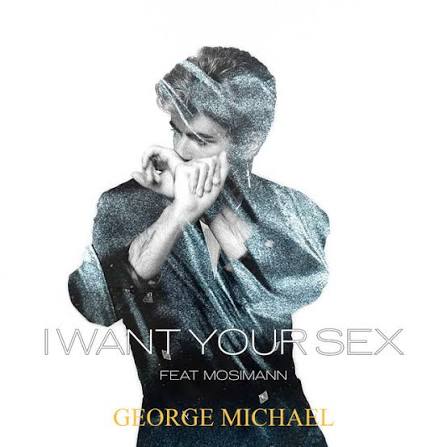
One three-word title kept a George Michael song off British radio before 9 p.m. for months. “I Want Your Sex,” the lead single from what would become the 1987 album Faith, hit the BBC’s airwaves and was immediately restricted to post-watershed hours, a broadcasting term for the line British television and radio draw between family-hour programming and everything adults are allowed to hear after dark.
According to Songfacts’ history of the single, the corporation’s stated concern wasn’t obscenity alone. It was timing: Britain was in the middle of a national AIDS-awareness push, and network executives worried a song about wanting sex, however monogamous its actual lyrics turned out to be, sent the wrong message at the wrong moment.

A Ban That Wasn’t Quite a Ban
Calling it an outright ban oversimplifies what actually happened, though “banned” is how the era’s press shorthanded it at the time and how NME still frames it in its own retrospective of BBC censorship. The song wasn’t pulled from the airwaves entirely. It was pushed to the post-watershed graveyard shift, meaning daytime Radio 1, the station most teenagers actually had on, wouldn’t touch it. NME’s own accounting of the period notes that DJ John Peel was effectively the only regular BBC voice willing to slot the uncut single into his show, because his show already aired late enough to clear the restriction. For a British pop star riding the tail end of Wham!’s teen-idol fame into a solo career built on crossover respectability, having his own new single quarantined to insomniac hours was a real commercial problem, not a symbolic one.
Where the Title Came From
The title itself wasn’t shock value for its own sake. George Michael had spent his Wham! years being marketed as harmless and grin-friendly, and the jump to explicit sexual language in a single title was, by any measure, a deliberate rebrand. The music video leaned into that same tension rather than away from it: at one point in the clip, Michael is shown writing the words “explore monogamy” on a female companion’s back, a detail Songfacts documents as the song’s own built-in rebuttal to the promiscuity read the BBC was worried about. The argument, visual rather than lyrical, was that wanting sex and wanting commitment weren’t opposites. Whether British broadcasters bought that distinction in 1987 is a separate question from whether the song worked, and commercially, it worked immediately.
American Radio Couldn’t Agree Either
The reaction on the other side of the Atlantic split stations against each other rather than uniting them against the song. Some U.S. programmers played “I Want Your Sex” exactly as delivered. Others refused it outright. A third group split the difference: Atlanta’s WZGC-FM produced its own word-swapped edit, replacing “sex” with “love” throughout, and distributed that version through Columbia Records to other stations looking for a compromise, a production detail later documented by archival coverage of the era’s radio trade press. Baltimore’s WBSB-FM was among the stations that picked up the edited cut rather than air the original. Meanwhile, the syndicated countdown show American Top 40 had to build its episodes around stations that wouldn’t play the track at all, restructuring segments so non-participating affiliates could skip it cleanly, per Songfacts’ reporting on the show’s handling of the controversy.
The Song Won Anyway
None of it stopped the single from becoming a hit. “I Want Your Sex” climbed to number two on both the Billboard Hot 100 and the Cash Box Top 100, according to chart data compiled from Billboard’s own archives, a peak that arrived despite, or arguably because of, the controversy trailing it across two continents. Once the initial shock value faded and Michael’s monogamy framing had circulated in interviews and the video itself, most Top 40 programmers in the U.S. and eventually the BBC itself loosened their restrictions, giving the track a longer commercial tail than a typical lead single usually gets.
What the episode really captured was a mid-1980s broadcasting industry that hadn’t yet settled on how to police pop stars moving from teen-friendly to adult material, especially against the backdrop of a public-health crisis that made “sex” itself a loaded word on the air. British and American radio didn’t apply the same standard, didn’t even apply a consistent standard within their own borders, and the gap between a BBC post-watershed slot and a Baltimore station’s word-swapped edit says less about George Michael than it does about how differently two radio cultures decided who got to say what, and when.

Leave a Reply