

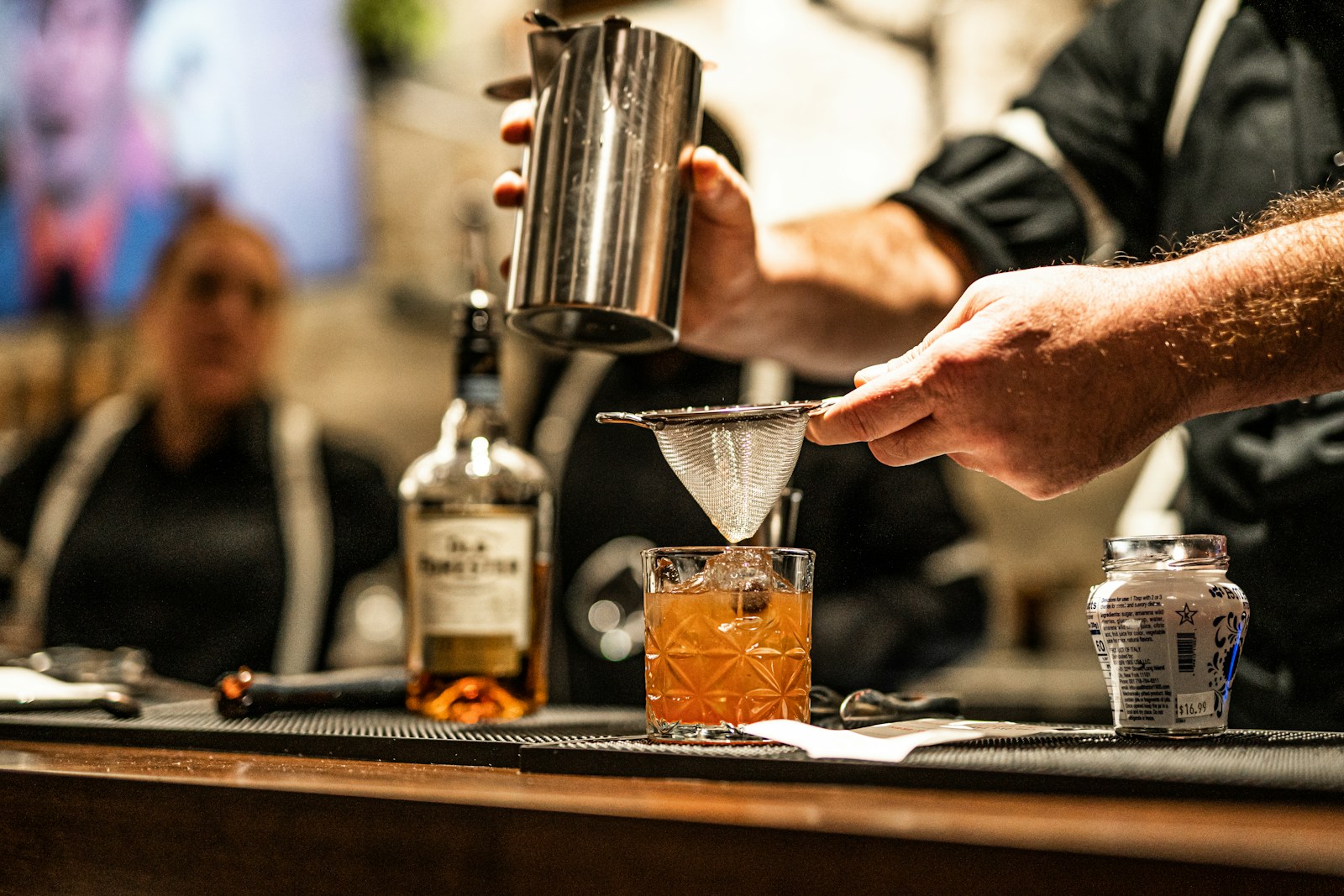
A bartender in Madison, Wisconsin, recently shared their frustrating work experience on Reddit, highlighting a troubling pattern of delayed paychecks and poor scheduling practices at their job.
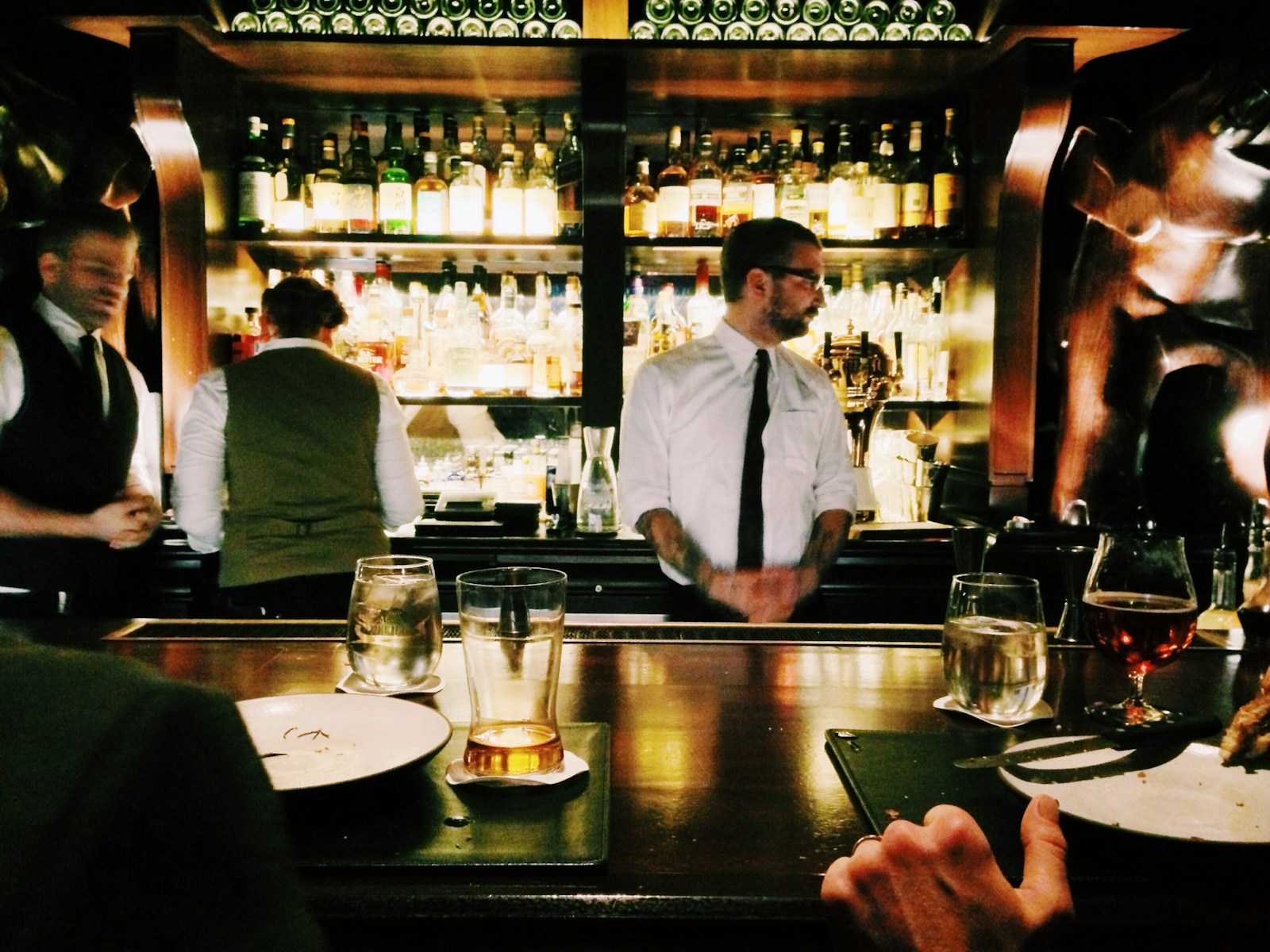
The bartender, who noted they work in a small local establishment, described a disheartening cycle where each payday involves pleading with their boss for their paycheck. They received their most recent check for the period of May 15 through June 1 on June 15, a delay that has become typical. This isn’t an isolated incident; they indicated that getting paid often takes weeks, requiring multiple requests to their employer.
Initially, the bartender chose direct deposit but found that the funds were consistently late. They were then offered the choice of being paid through Venmo or receiving a check. Distrustful of Venmo, especially for significant financial transactions, they opted for the check. However, even this method has led to delays, with expectations set for checks to be a week overdue. The bartender now feels compelled to remind their boss regularly to obtain what they are owed.
The scheduling practices at the bar have also contributed to their stress. Schedules are often provided just a day in advance, leaving little room for personal planning. Sometimes, they have to ask on the day itself to find out if they are working. This last-minute scheduling has not only made life difficult for the bartender but has also raised red flags about the establishment’s overall management. They reported similar experiences among their coworkers, who also face issues like incorrect W2 forms.
Adding to the concerns, the bartender recounted a past incident where tax authorities visited the venue and confiscated all cash from the register, leaving staff and patrons bewildered. The bartender was informed later that the tax officials’ actions were either a mistake or related to problems with another business owned by the same management. This kind of financial instability and lack of transparency has made everyone in the establishment uneasy.
Despite the chaotic environment, the bartender continues to stay at the job. They are hopeful that the experience can lead to better opportunities in the future, especially as they work on honing their bartending skills. The shifts are light enough that they have taken to spending some of their time learning new skills, including using Godot, a game development engine, during downtimes.
However, the situation is precarious. With the paychecks being their main source of income, the bartender is wary of losing their job, especially given the challenging job market in Madison. They reflected on the difficulties they would face transitioning to another bartending role with less than a year of experience. The uncertainty surrounding their employment conditions only compounds their stress.
In light of these issues, the bartender is contemplating their next steps. They have done some initial research about their rights and are considering approaching a lawyer for advice. Yet, they worry about how their employer would react and the risk of retaliation, which makes them hesitant to take any formal action. The fear of job loss looms over them, especially as they rely on their paycheck to pay rent.
One reader suggested that the bartender keep meticulous records of their hours and communications with their employer. Another urged them to consider reporting the situation to the Department of Workforce Development in Wisconsin. These suggestions, while helpful, also highlight the bartender’s dilemma: they need to advocate for themselves while balancing the very real fear of jeopardizing their employment.
With no easy answers in sight, the bartender feels stuck. While they want to ensure they are being treated fairly, the threat of losing a steady income weighs heavily on their mind. They continue to seek advice and explore options but remain unsettled about the future.
More from Vinyl and Velvet:

Leave a Reply