

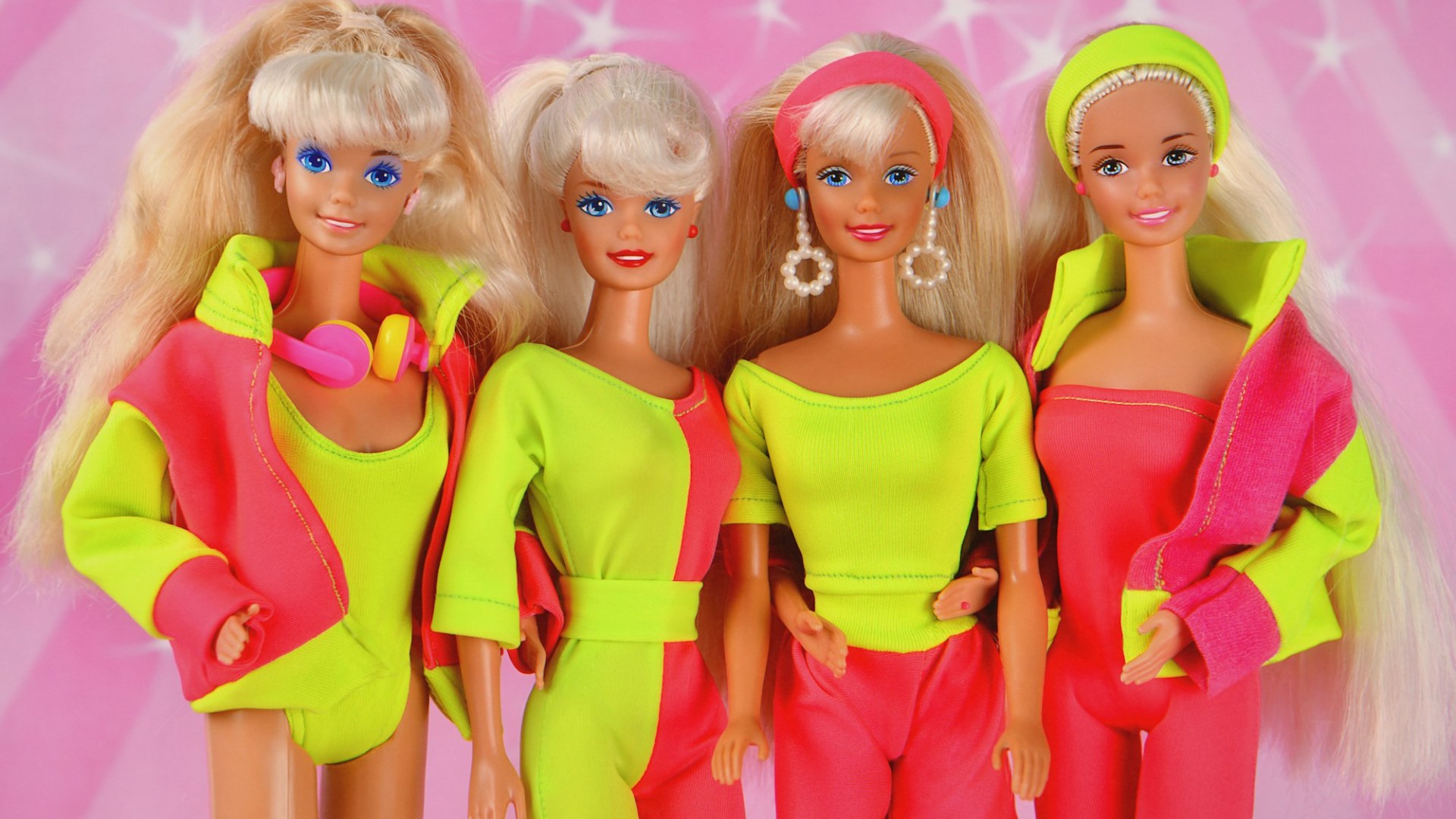
Barbie’s polished, all-American origin story leaves out the part where she started life as a racy German gag gift sold to adult men, not a toy meant for little girls at all. The doll that would eventually become the best-selling toy in history began as a knockoff of a saucy comic strip character, and the woman who brought her to Mattel had to fight her own company for years before anyone agreed the idea was worth taking seriously.
A Comic Strip Named Lilli
Long before Mattel existed as a household name, a West German newspaper called Bild ran a comic strip featuring a gold-digging, sharp-tongued character named Lilli. She was popular enough that a company began manufacturing three-dimensional novelty dolls based on her likeness in 1955, and according to HISTORY’s own retrospective on the connection, those Bild Lilli dolls were sold primarily in tobacco shops, bars, and adult novelty stores rather than toy aisles. She was marketed to grown men as a gag gift and a bit of risque desk decor, complete with a knowing wink toward her comic strip’s reputation, not as a plaything for children.
Ruth Handler’s European Discovery
Mattel co-founder Ruth Handler encountered the Bild Lilli doll on a trip through Europe in the 1950s, and she saw something in that adult novelty figure that nobody else at her own company had yet imagined for the American toy market: a fashion doll with a grown woman’s proportions, aimed squarely at little girls who had spent years playing exclusively with baby dolls. Handler had already been pushing Mattel toward the idea for a while, watching her daughter Barbara play pretend with paper dolls and adult-shaped cutouts rather than infant ones, but the men running the company were skeptical that mothers would ever buy their daughters a doll with a woman’s figure.
Turning a Gag Gift Into a Children’s Toy
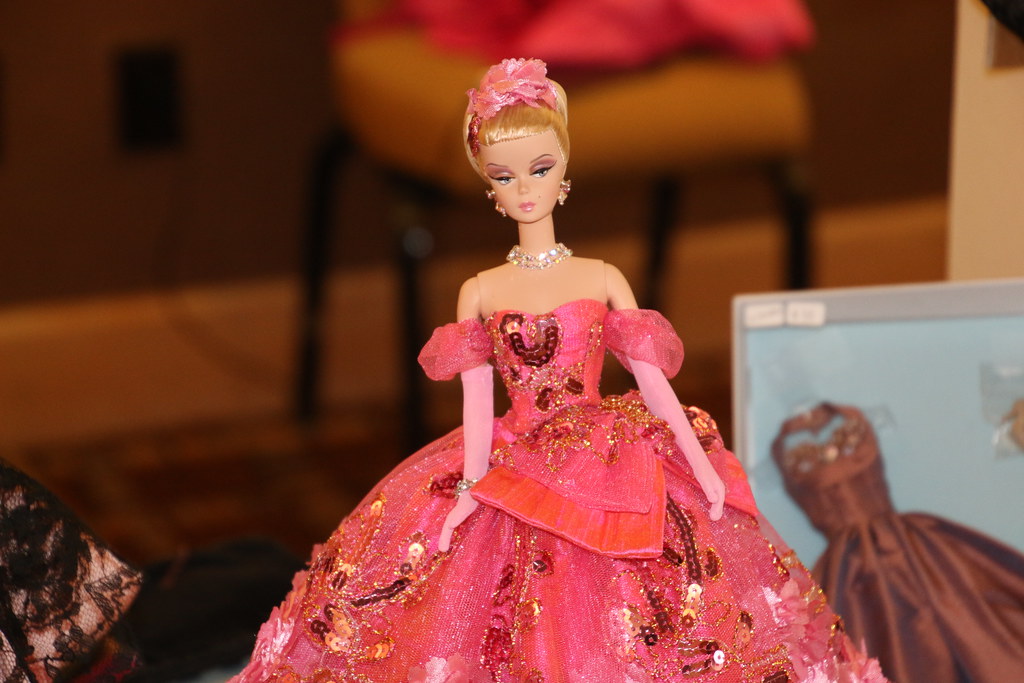
Handler purchased several Bild Lilli dolls and brought them home, using them as the direct design template for what would become Barbie. Mattel’s own designers reworked the proportions, softened the face, and built an entire wardrobe and backstory around the character before introducing her under a new name pulled from Handler’s daughter. Per Mattel’s own published company history, the finished doll debuted at the American International Toy Fair in New York on March 9, 1959, a date the company still marks as Barbie’s official birthday. Mattel would go on to license the rights to the Lilli design and quietly retire the German doll from the market entirely within a few years, closing the loop on the doll’s slightly scandalous first act.
Why the Full Story Rarely Gets Told
It is easy to see why later decades of Barbie marketing skipped over the adult novelty chapter almost entirely. A brand built on wholesome careers, dream houses, and a rotating cast of friends does not exactly benefit from reminding parents that the doll’s design lineage runs through a tobacco-shop gag gift. Mattel has never hidden the Bild Lilli connection outright, and toy historians have documented it for decades, but it rarely makes it into the doll’s mainstream origin story the way Ruth Handler’s boardroom battles or Barbie’s fashion evolution do.
A Fight That Almost Didn’t Happen
The bigger obstacle, according to the same documented history, was never really the doll’s design lineage at all, it was convincing anyone at Mattel that an adult-proportioned toy would sell. Handler reportedly had to push hard against internal resistance before the company agreed to manufacture and market Barbie in the first place, a fight that mirrors how many now-iconic toys started as one person’s stubborn bet against a skeptical room. Once Barbie finally reached toy shelves in 1959, she sold roughly 350,000 units in her first year alone, a number that quieted most of the earlier doubts almost immediately.
The Legacy of an Unlikely Origin
Nearly seven decades later, Barbie remains one of the most recognizable toys ever manufactured, and her actual origin story is stranger and more interesting than the sanitized version most collectors grew up hearing. A West German comic strip vixen sold in bars became the template for a toy found in roughly every American household with a young girl at some point in the last several generations. That gap between where Barbie started and where she ended up is exactly the kind of detail vintage toy collectors tend to love once they finally hear it, a reminder that even the most polished, all-American icons often have a messier, more complicated first draft hiding behind the official version.

Leave a Reply