


A 19-year-old university student’s dinner with her family took a chaotic turn when she refused to eat squash and confronted elders who criticized her. The incident didn’t just stir familial tensions; it also sparked a clash of cultural values, leading her father’s fiancée to experience tachycardia, allegedly due to the escalating stress.
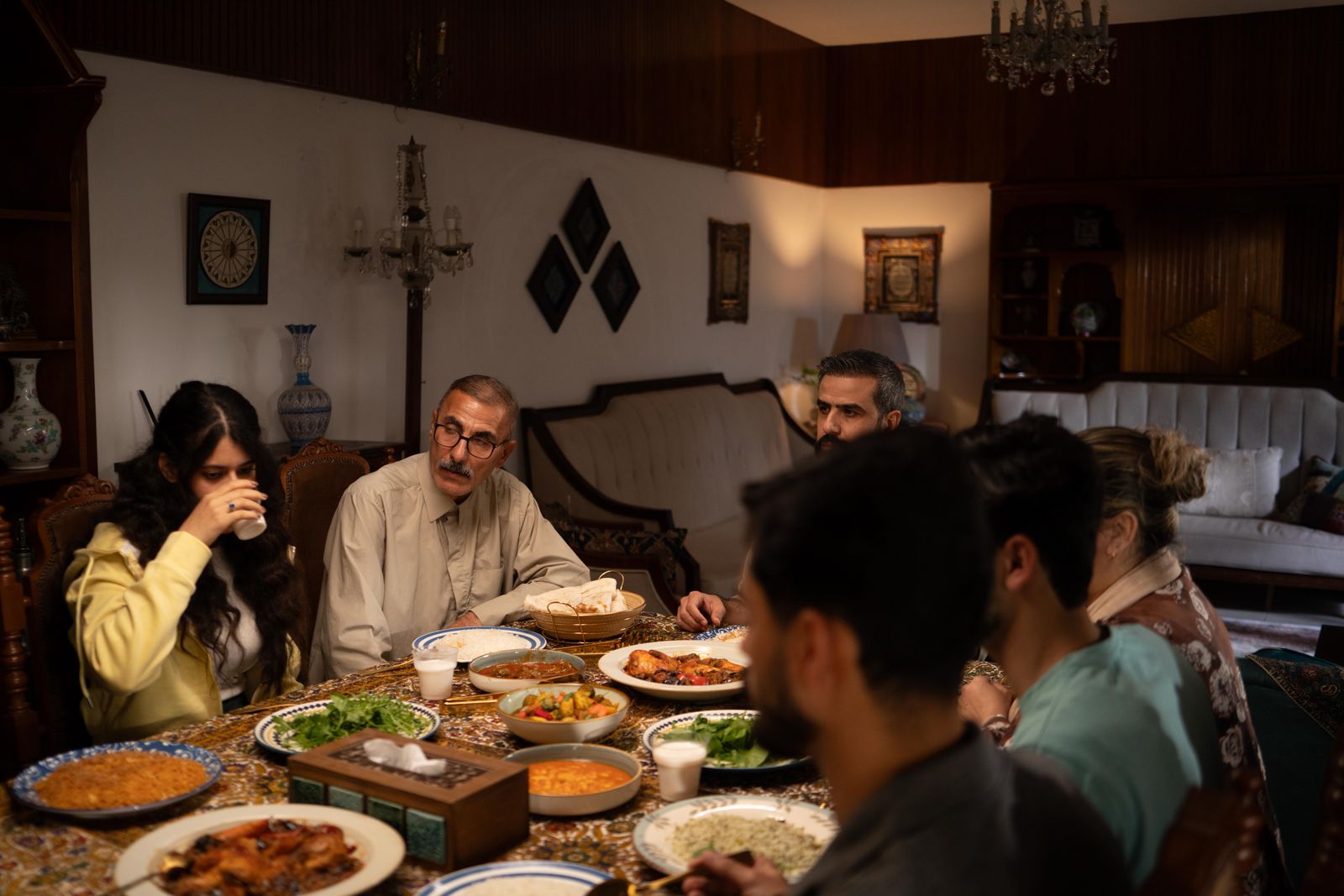
Raised by a mother who taught her to view adults as equals, the young woman has long navigated conversations with adults without the traditional deference expected in many cultures. This perspective left her at odds with her father’s partner, who comes from a background where respect for elders is paramount. The friction was apparent during a recent family dinner marked by unwelcome comments on her eating habits and financial situation.
On that particular evening, after a challenging day filled with overstimulation, the student found herself being criticized for not eating summer squash, a vegetable she detests. Her family’s remarks felt condescending, particularly coming from her grandmother and her father’s fiancée, both of whom linked her dietary choices to financial irresponsibility. The student, who lives within her means on a monthly allowance from her father and government support, felt insulted by the implication that she should eat what was placed in front of her simply because it was free.
The tension escalated further when the young woman baked cookies for her father’s fiancée’s daughters. After offering them a treat, she was chastised by her grandmother for not sharing the cookies with everyone at the table. When her grandmother eventually requested a cookie, none of the adults acknowledged her effort or expressed gratitude, adding to her discomfort during the gathering.
Amid this discomfort, someone opened a window, flooding the room with sunlight that exacerbated her light sensitivity. Instead of asking for help, she instinctively tried to close the window herself, sparking an onslaught of reprimands from the adults present. The reprimand from her grandmother’s boyfriend, who attempted to deliver a moral lesson, pushed her over the edge. In a moment of frustration, she snapped back, rejecting his condescending tone. She felt justified in her actions, believing she was treated unfairly.
After leaving the table in an emotional outburst, she mimicked her mother’s dismissal of their criticisms, feeling that she shouldn’t have to apologize for trying to create a comfortable environment for herself. The family atmosphere turned awkward, and the aftermath revealed deeper cultural divides. Her father, concerned about the incident’s impact on his fiancée, claimed that she suffered a tachycardia episode as a result of the stress caused by her behavior. Rather than accepting blame, the young woman asserted that she should not have to conform to a cultural expectation that undermines her self-worth.
She elaborated on her view that she is not simply a guest in her father’s fiancée’s home; she is his daughter and deserves to be treated with respect. The clash between differing cultural views on child-rearing intensified her determination to maintain a sense of equality with adults. In her eyes, she was not a child to be molded but an individual deserving of respect in return.
One of her fiancée’s daughters approached her later, expressing empathy over the rigid household rules and admitting that she, too, felt pressured under such expectations. This interaction highlighted a disconnect between traditional values and the desire for open communication and respect among family members. The young woman’s perspective resonated with the daughters, solidifying her belief that rigid authority structures breed resentment rather than healthy relationships.
As she processed the evening’s dramatic events, she faced the stark reality of her situation: her father insisted that she should apologize for her conduct, framing the argument as a need to respect the customs of his fiancée’s background. Yet, she resisted the notion that she should have to alter her core beliefs and the way she interacts with adults simply to align with someone else’s cultural norms.
In the wake of the confrontation, she is left reflecting on her identity and relationships within her family. The incident has compelled her to consider the implications of her beliefs and whether it is possible to bridge the gap between her views and those of her father’s fiancée. As her family dynamics shift, the young woman finds herself at a crossroads: should she continue advocating for her beliefs on equality, or consider adjusting her approach to foster peace?
More from Vinyl and Velvet:

Leave a Reply