


Elvis Presley wore a Hawaiian shirt on the cover of his 1961 album “Blue Hawaii,” and for a lot of people that image is still the mental starting point for the whole aloha-print category. It isn’t close to the actual starting point. The garment’s direct ancestor, a checkered, collared work shirt called the palaka, was being mass-produced for Portuguese and Hawaiian plantation laborers as early as 1922, nearly forty years before Presley posed for that cover. By the time Elvis put one on, the aloha shirt had already been invented, trademarked, mass-manufactured, exported to the mainland and worn by working men in cane fields for two full generations.
Work Clothes First
The palaka shirt was built for labor, not leisure: a sturdy, checkered cotton button-up with a collar and short sleeves, adapted from mainland American workwear patterns but cut looser for Hawaii’s heat and humidity, according to the garment history compiled by Cornell University’s Cornell Costume blog. It clothed plantation laborers, a workforce drawn from Portuguese, Japanese, Chinese, Filipino and Native Hawaiian communities, and it carried none of the tropical-vacation branding that would later define the aloha shirt. The print pattern was the functional part: a small, repeating checkerboard that hid stains and wear far better than a solid color could on a garment worn daily in field conditions.
From Field Uniform to Storefront Product
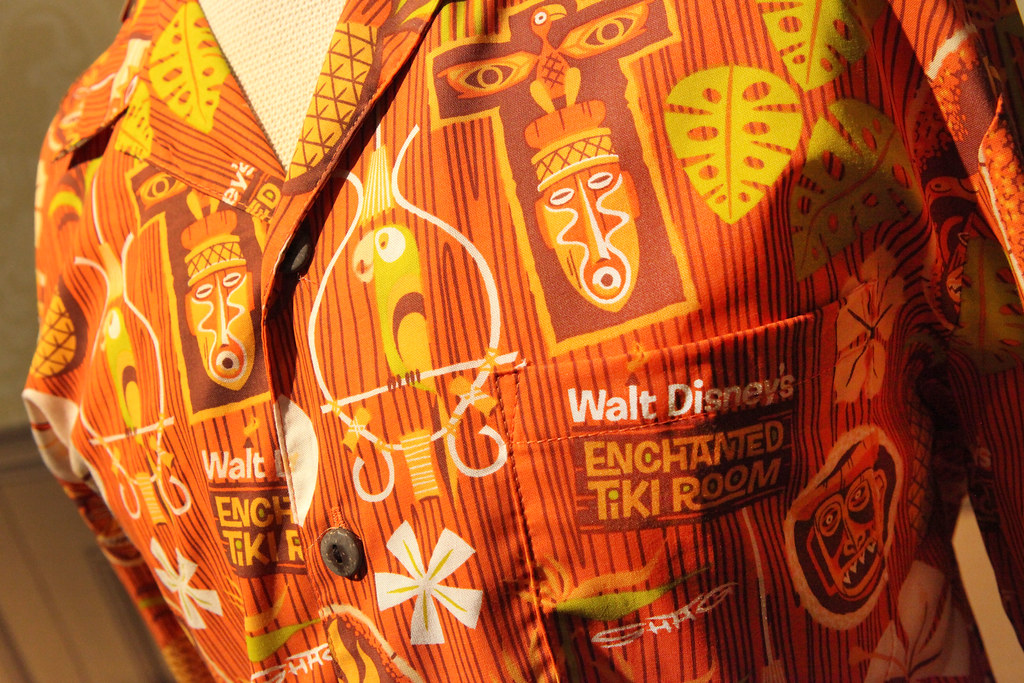
The shift from palaka workwear to what people now call an aloha shirt happened gradually, through Honolulu’s garment trade, not through any single Hollywood moment. Chinese and Japanese dressmakers working alongside Euro-American tailors began reworking available fabrics, including Japanese silk kimono cloth and cotton broadcloth, into looser, more decorative button-up shirts during the early 1930s, per the same Cornell Costume account. Merchant Koichiro Miyamoto, operating as Musa-Shiya, sold shirts in that period featuring Japanese motifs like Mount Fuji, and surfer Rube Hauseman began sourcing fabric from Musa-Shiya’s shop around 1935 to make shirts he wore and sold at Honolulu’s Rathskeller Bar, a detail documented by the Smithsonian Magazine history of the Hawaiian shirt. Retailer Ellery Chun is generally credited with formalizing the category, launching his King-Smith label and trademarking the term “aloha shirt” by 1936.
Not Built for Tourists, at First
The imagery that now reads as instantly “Hawaiian,” hula dancers set against palm trees and sunset postcard skies, wasn’t actually how most early shirts looked. Roughly 56% of aloha shirts made during the 1930s carried Japanese or Chinese design motifs, reflecting the territory’s actual immigrant population, while only about 23% used the colorful tourist-destination imagery that would later become the category’s default, according to research cited by the ASU FIDM Museum’s history of Hawaii’s garment industry. Commercial momentum built regardless: the Los Angeles Times ran promotional coverage of the shirts in 1936, and by 1940 the aloha shirt trade was generating more than $11 million a year, per the Smithsonian’s reporting, driven in part by early celebrity wearers like Olympic swimmer Duke Kahanamoku and singer Bing Crosby, both of whom predate Presley’s association with the style by two full decades.
The Shaheen Era, and Then Elvis
World War II accelerated local adoption further, since wartime shipping restrictions between Hawaii and the mainland cut off easy access to standard Western clothing, pushing residents toward aloha wear as everyday attire rather than novelty. The postwar manufacturing boom that followed had a clear central figure: Alfred Shaheen, who moved to Oahu in 1938, served as a fighter pilot during the war, and launched his own ready-to-wear label making men’s aloha shirts and island-inspired womenswear in 1948, according to the ASU FIDM Museum account. By 1952 his Oahu operation, which included its own factory and an in-house printing and dye setup, was producing more than 60,000 yards of printed fabric a month. It was one of Shaheen’s shirts that Presley wore on that 1961 “Blue Hawaii” cover, a full three decades after the palaka shirt’s plantation-era debut and a full generation into an already mature manufacturing industry.
A Costume That Was Once a Uniform
The gap between those two facts, plantation workwear in 1922 and a Hollywood album cover in 1961, is the entire story most people never hear. The aloha shirt was built to survive a workday decades before anyone thought to sell it as a vacation, and only the slow accumulation of tailors, merchants, manufacturers and one very famous singer turned it into the shorthand for leisure it remains today.

Leave a Reply