

A woman has shared her troubling experiences growing up with a mother she believes exhibits narcissistic tendencies. The daughter, now an adult, recounted her childhood filled with emotional and at times physical abuse, raising concerns about her mother’s lack of accountability and understanding of her mental health struggles.
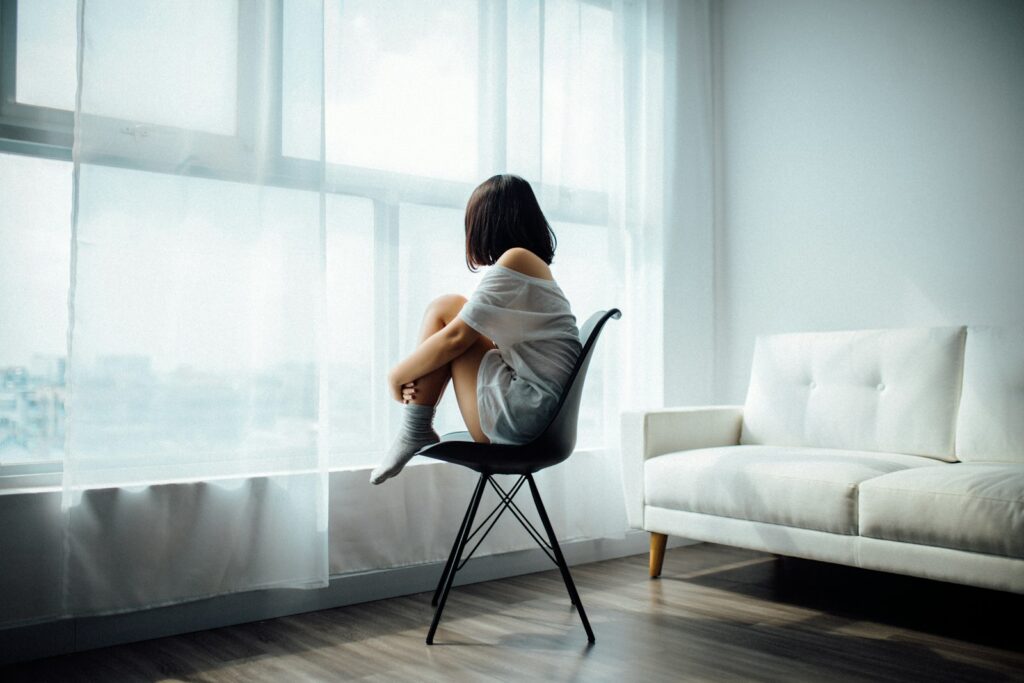
The daughter, who has been diagnosed with ADHD and autism, took to Reddit to express her feelings about a traumatic past marked by her mother’s harsh words and actions. She recalled being slapped by her mother in her youth, a memory that still lingers with her. Even more disturbing, her mother would mention her desire to administer that punishment again during her teenage years, a comment that has left the daughter questioning the intent behind it.
Throughout her childhood, the daughter felt her mother rarely acknowledged any faults in her parenting. Instead, the mother often blamed her daughter’s struggles, such as poor grades and emotional outbursts, on her character. The daughter felt that her mother’s inability to recognize her mental health issues—dismissed as mere teenage hormones—only compounded her feelings of inadequacy. This lack of understanding led to frequent conflicts, with the mother often yelling and labeling her daughter as a “brat.”
During moments of strife, the daughter recounted her mother’s dramatic expressions of grief, claiming she didn’t want to see her daughter anymore. The daughter, trying to understand the rift, felt increasingly frustrated as her mother focused on her own pain rather than acknowledging the struggles her daughter faced. This emotional dynamic left the woman feeling responsible for her mother’s distress, creating a toxic cycle of guilt.
Amid the tearful complaints, the daughter eventually began to feel anger instead of empathy. She described her mother’s tendency to compare their lives, insisting she had it much worse. This comparison made the daughter question her own worth and contributed to her depression. Despite the harsh treatment, there was a confusing duality in their relationship; the mother could also be supportive and generous, sharing moments where they bonded. Yet, the emotional trauma overshadowed these fleeting connections.
The daughter’s reflections reveal a heart-wrenching childhood filled with contradictions. There were times when her mother seemed loving, providing gifts and support, but these moments were often eclipsed by outbursts and negative comments. The unpredictability of her mother’s responses left the daughter in a constant state of confusion, unable to reconcile the loving moments with the hurtful ones.
In her post, the daughter admits to trying to improve her behavior, hoping to mend their relationship. However, she feels that her mother remains steadfast in her belief that she is blameless. This unyielding stance from her mother further perpetuates the daughter’s feelings of inadequacy, leading her to question her own identity and worth as a daughter.
The emotional fallout from their relationship has led the daughter to conclude that she does not want to become a mother herself, fearing that she might repeat the cycle of neglect and emotional turmoil. The pain of her upbringing has left lasting scars, manifesting in her reluctance to embrace motherhood.
In a time when mental health issues are gaining more awareness, the daughter’s story raises critical questions about parental responsibility and the impact of untreated mental health conditions. Her candid sharing has resonated with some readers, who empathize with her struggles. One person told her that recognizing such dynamics is essential for healing and breaking the cycle of trauma.
Another reader pointed out that many people experience complex relationships with their parents, highlighting the significance of navigating such relationships in a way that prioritizes personal well-being. They expressed hope that the daughter could find her own voice and seek the life she desires, free from the shadows of her mother’s expectations.
As the daughter continues to grapple with her emotions and her mother’s behavior, she is left at a crossroads. The pain of her past lingers as she seeks clarity and a path forward. Whether to confront her mother with her feelings or to distance herself for her own wellbeing remains a challenging decision.
More from Vinyl and Velvet:

Leave a Reply