

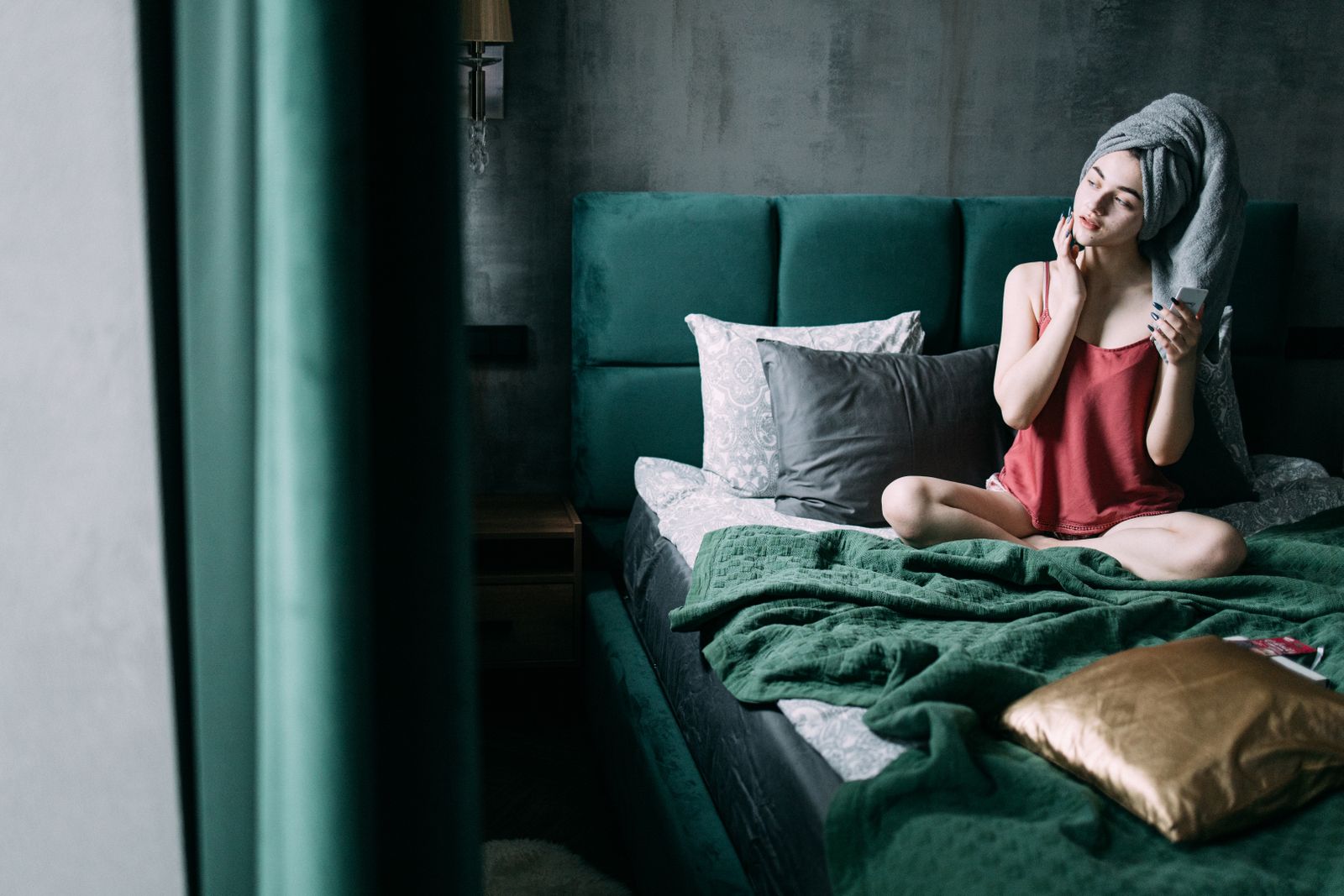
A young woman, identified as 20 years old, has ignited a conversation online after revealing her struggles living with her mother, whose hoarding tendencies create a difficult environment. After spending the summer in a cramped apartment together, she faces a clash over personal space, particularly regarding her locked bedroom door.

Living with her mother reignited a long-standing tension that had persisted throughout her childhood. The daughter describes her mother as bordering on hoarding, a behavior that stems from her own mother being classified as a level 4 hoarder. This family history has left the young woman feeling trapped and anxious, especially while navigating life in such close quarters.
In her small room, the daughter has made efforts to create a semblance of order amid the chaos. Most of her belongings are organized, aside from a few items her mother insists on keeping. To cope with the living situation, she has established boundaries, one of which includes locking her bedroom door whenever she is home.
However, the daughter’s need for privacy has not gone unnoticed. Her mother has repeatedly entered her room without permission in the past, sometimes bypassing even the simple act of waiting for a response after knocking. This parental behavior has taken a toll on their relationship, making the daughter feel more like a guest in her own space rather than the adult she is.
On a recent morning, things escalated. While the daughter was sleeping, her mother knocked forcefully on her door and proceeded to yell at her about some pineapple chunks that had fallen on the floor. Rather than an understanding discussion, the situation turned into a confrontation where the mother yelled about the “safety hazard” of a locked door.
The daughter recalls her mother stating that locking her door was not allowed, a rule that had been established since her childhood. This command, she argues, only adds to her distress and feelings of being unsafe in her own home. The threat of her mother removing the doorknob only intensified the tension. The young woman feels she deserves the right to lock her door; after all, why else would doors have locks?
Adding another layer to the situation, the daughter mentioned her struggles with auditory processing due to being on the autism spectrum. She often wears noise-canceling earbuds to manage overwhelming sounds, which exacerbates the already strained dynamic with her mother. Comments from her mother, like “it’s not my fault you can’t hear me,” highlight the misunderstanding and disconnect in their interactions.
The daughter is living with her mother temporarily due to a fractured foot, which has limited her employment opportunities and forced her to withdraw from summer plans. With no financial means to move out or lease her own place, she finds herself in a precarious living situation. This context makes her desire for privacy and personal space even more pressing.
The online community responded to her post with a range of reactions. One person expressed understanding of her situation, emphasizing the importance of having a safe space, especially as an adult. Another reader pointed out that the mother’s behavior might reflect her own struggles with control, particularly in a home that may feel chaotic due to hoarding tendencies.
Interestingly, some comments suggested that the mother’s insistence on open doors could stem from a misguided belief in safety, highlighting a complex emotional web tied to her own experiences and behaviors regarding her mother’s hoarding. The young woman’s desire to lock her door, therefore, not only represents a need for personal privacy but also a pushback against years of feeling suffocated by her mother’s actions and limitations.
As the deadline looms for her summer stay, the daughter is left questioning her next steps. Despite the emotional toll of her relationship with her mother, the prospect of locking her door remains a controversial topic. With her mother threatening to remove the doorknob, the daughter is caught between asserting her need for privacy and navigating the complex dynamics of their relationship.
Ultimately, she is faced with a decision: does she prioritize her own mental health and privacy by locking her door, or does she comply with her mother’s demands in an attempt to maintain some semblance of peace? As summer draws to a close, the conflict over the locked door remains unresolved, with her future still uncertain.
More from Vinyl and Velvet:

Leave a Reply