

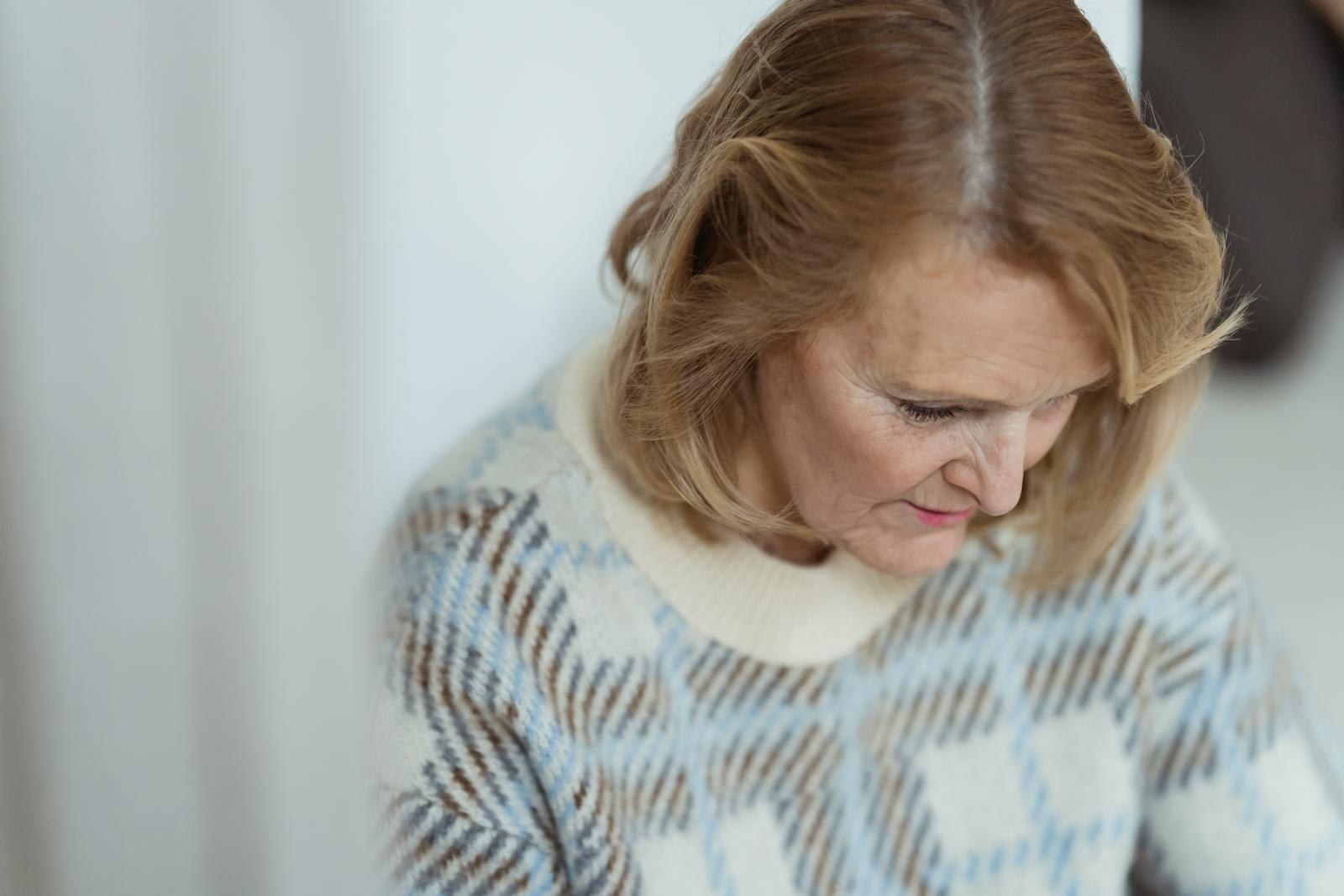
A 59-year-old woman has been diagnosed with “failure to thrive” after a series of alarming health declines that her daughter observed over the past year. The woman, who has a history of bipolar disorder, borderline personality disorder, and severe arthritis, has shown troubling signs of neglecting her health. She stopped caring for herself, avoided medical attention, and suffered numerous falls without clear explanations.

The adult daughter, who does not live with her mother but keeps close tabs via her brother, became increasingly concerned as she noticed her mother skipping showers and relying on small amounts of processed food, such as hot dogs and sandwiches. Her refusal to take prescribed depression medications compounded the worries. With her mother’s speech noticeably slowed, the daughter began to fear conditions like dementia, urinary tract infections, or even a stroke, all of which could explain the drastic changes in her mother’s condition.
After a particularly worrying week in which her mother fell multiple times, the daughter decided it was time to seek emergency medical help. On the day of the visit, she noted that her mother was more unresponsive than usual, raising alarms. Despite living separately, the daughter felt an overwhelming sense of responsibility and concern for her mother’s well-being, prompting her to act.
At the emergency room, her mother underwent various tests, including blood work, a urinary tract infection assessment, and a head scan. To the daughter’s relief, the tests showed no signs of acute medical issues. However, the emergency room doctor provided a diagnosis of “failure to thrive.” This term highlighted a significant decline that, while often associated with elderly patients, is troubling to see in someone so relatively young.
The daughter felt lost after the diagnosis. She grappled with the reality that her mother, at 59, was showing signs typically seen in those much older. The ER staff decided to admit her mother overnight and planned to consult with a psychiatrist the following morning. The situation left the daughter feeling a mix of sadness and confusion. She had hoped for a clearer understanding of her mother’s decline, yet found herself facing more questions.
As her mother’s decline unfolded, the daughter watched helplessly from afar. Despite her efforts to communicate and encourage her mother to seek help, her mother’s refusal to acknowledge her health concerns created an emotional barrier. The ongoing neglect, compounded by complex mental health issues, left the daughter feeling isolated in her worry.
In the online discussion surrounding her experience, others shared similar stories of loved ones facing mental health struggles and the difficulties that come with encouraging them to seek help. One person told her, “It’s heartbreaking to see someone you love not take care of themselves, especially when they have so much to battle already.” Another reader shared, “Sometimes, it takes a crisis to push them into getting the help they need, but it’s devastating when that happens.” These comments resonated with her as they reflected the challenges many face when mental health issues are involved.
This situation raises important reflections on how mental health can profoundly affect physical health, especially when self-care practices deteriorate. The daughter is left contemplating her next steps and how to best support her mother through this crisis. She knows that finding the right help will be crucial in addressing not only her mother’s physical health but also her emotional well-being.
As she navigates this complex landscape of care, the burden of uncertainty lingers. She has seen how quickly things can change and how the systems in place sometimes fail to address the intricate needs of individuals with mental health concerns. The journey ahead is daunting, and the daughter remains undecided on how best to advocate for her mother’s health and what that might entail.
More from Vinyl and Velvet:

Leave a Reply