

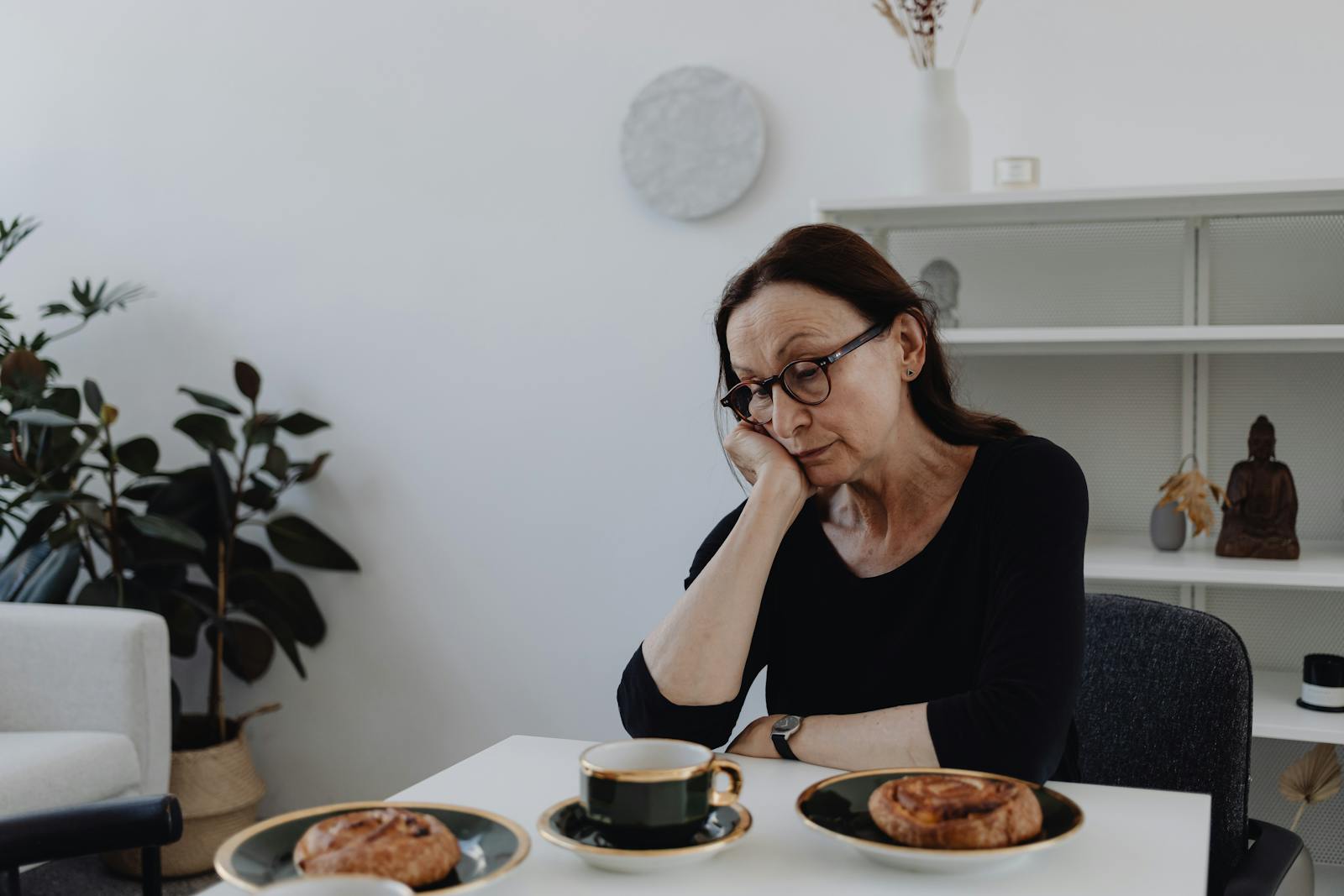
In an emotionally charged post shared on Reddit, a woman opened up about her struggles as a primary caregiver for her elderly, incontinent mother. The 54-year-old mother expressed her frustration over the expectation that she will again take on caregiving responsibilities during a family event—her daughter’s upcoming graduation. The tension escalated when it became clear that fulfilling these obligations might mean missing out on a significant moment in her daughter’s life.

The daughter, 29, is set to graduate with her Master’s degree and had assumed her mother would bring her grandmother to the ceremony. However, the mother made it clear that she was not willing to navigate the complexities of wheeling her 87-year-old mother across campus, particularly considering her mother’s mobility issues and incontinence. As she explained, the main burden of caring for her mother during family gatherings has long rested on her shoulders, and she feels exhausted and worn out by the demands placed upon her.
“It’s just too much,” she lamented. “I want to enjoy these family events, not miss out on everything because I’m busy tending to my mom’s needs.” The post reveals a deep-rooted frustration, as the woman feels her mother often treats her like a maid rather than a daughter, leaving her overwhelmed with guilt and stress during these occasions.
Despite her mother’s independence—living alone and managing short trips to the grocery store—the daughter feels the weight of responsibility because her mother is dependent on her support during emergencies. “If she falls or gets ill, it’s me,” she said, reinforcing the reality that her caregiving role extends beyond simple transportation. Her mother’s refusal to relocate to a more supportive living arrangement adds another layer of complexity to their relationship.
The daughter’s struggle is emblematic of the challenges many family caregivers face today. With the increasing age of the population, more individuals find themselves balancing personal lives with the demands of caring for elderly relatives. In this case, the mother’s role has become a source of tension, as she strives to carve out a boundary in a family dynamic that has come to expect her unwavering availability.
As graduation approaches, the daughter has found herself caught between two significant relationships—her mother and her daughter. While she acknowledges her daughter’s need for family support during this milestone, her emotional exhaustion brings doubts about her ability to juggle both responsibilities. “I feel like I have to choose between my mom and my daughter,” she remarked, highlighting the internal conflict that many caregivers endure when family obligations collide.
The daughter has attempted to enlist support from her siblings, but with mixed results. Although three of her five siblings have started to share the caregiving duties for their mother, she still bears the brunt of being the primary caregiver at events. This limited support has led her to miss previous family gatherings, including a nephew’s graduation, due to no one else stepping up to help with her mother. “What do they expect me to do?” she questioned, capturing the frustration of those who feel trapped by familial expectations.
As she reflects on her decision not to attend her daughter’s graduation, the weight of caregiving expectations looms large. While her daughter perceives her choice as a betrayal, the mother sees it as a necessary stance to protect her own well-being. “I just want a boundary to be set, so people stop assuming I’ll take care of her,” she articulated, revealing the desire for her family members to recognize the caregiver’s limits.
The dilemma faced by this mother underscores a critical conversation about the realities of caregiving in modern family dynamics. As society continues to grapple with aging populations and the complexities of familial responsibility, stories like this one serve as poignant reminders of the emotional and physical toll caregiving can take.
Ultimately, the mother is left with a choice—one that many caregivers face: to fulfill family obligations at the cost of their own mental health, or to assert the need for balance and self-care, even if it means disappointing loved ones in the process. As she prepares for the possible absence from her daughter’s special day, she emphasizes her exhaustion and the need to reclaim her own life.
More from Vinyl and Velvet:

Leave a Reply