

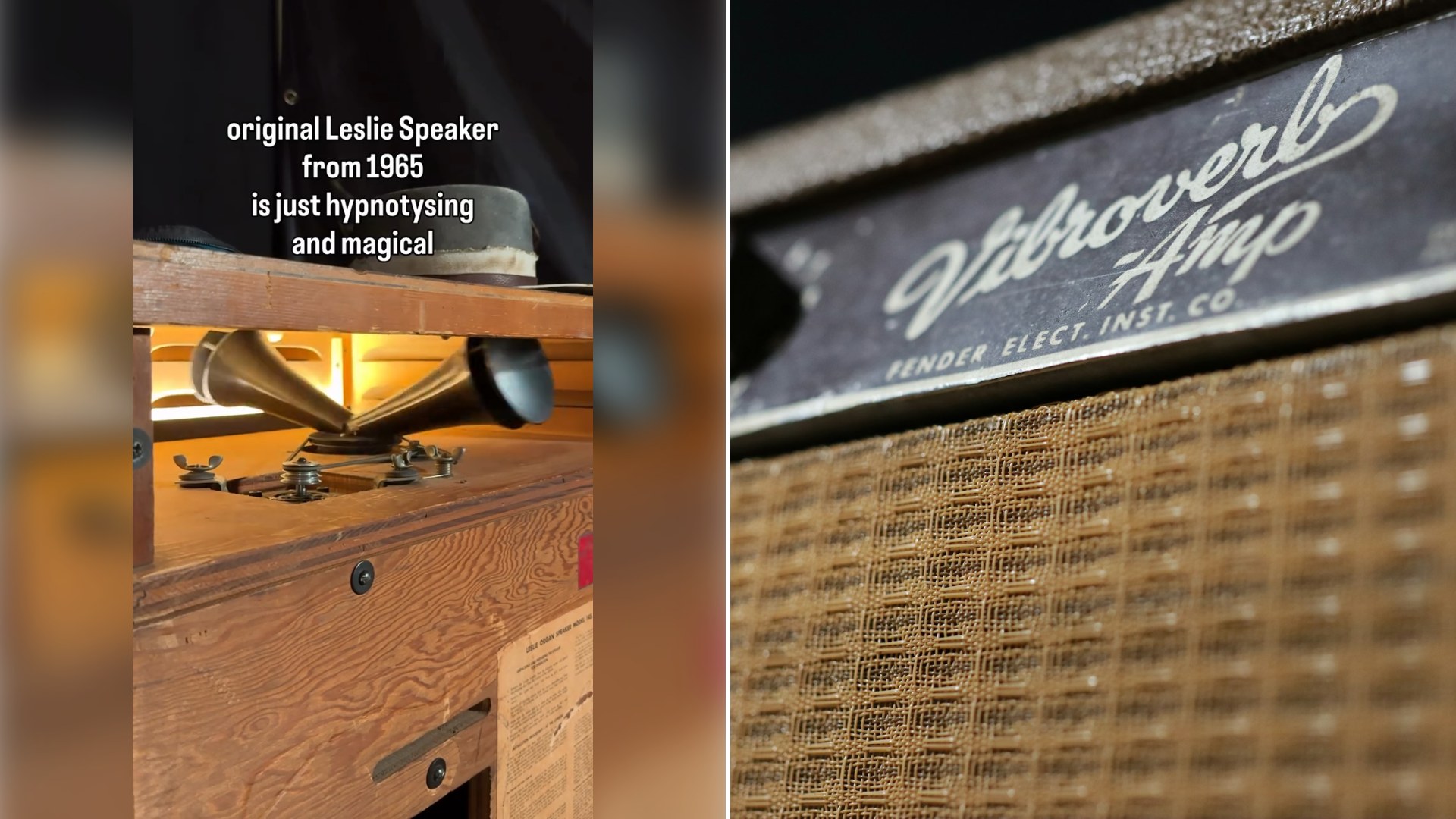
Some vintage audio gear earns cult status not through rarity alone but through a genuinely unique sound no modern equivalent can fully replicate, and the Leslie speaker is a prime example. In this clip, @robbykeysmusic shows off a genuine 1965 Leslie rotating speaker cabinet, marveling at the mechanical spin and lo-fi warmth that turned this specific piece of vintage audio gear into a beloved favorite among musicians decades after its original release.
The Leslie speaker was originally developed to pair with Hammond organs, using a rotating horn and rotating bass drum to physically move sound waves through the air, creating a swirling, Doppler-shifted tremolo and chorus effect that no purely electronic circuit of the era could convincingly imitate. More than half a century later, that same mechanical approach still produces a texture digital modeling plugins struggle to fully capture, which is precisely why original units like this 1965 model remain genuinely sought after rather than simply nostalgic curiosities.
Vintage audio equipment collecting occupies a distinct corner of the broader collectibles world because so much of the appeal is functional rather than purely decorative. Musicians and producers actively seek out working vintage gear not to display it but to use it in real recording and performance contexts, which means condition and functionality carry even more weight here than they do in many other collecting categories where an object’s physical presence alone can justify its value.
Sixty years is a genuinely long time for a mechanical device with moving parts to remain functional, and a working Leslie cabinet from 1965 represents real survivorship, one that likely required careful maintenance, replacement belts, and periodic motor servicing to keep its rotating components spinning smoothly across six decades of use. That ongoing maintenance requirement is part of what separates serious vintage audio collectors from casual nostalgia buyers, since keeping these cabinets alive requires genuine mechanical know-how passed down through specialist repair communities.
The Leslie speaker’s cultural footprint extends well beyond gospel and jazz organ music, where it originated, into rock, blues, and psychedelic recordings throughout the sixties and seventies, where guitarists and engineers discovered its swirling effect worked beautifully on a far wider range of instruments than originally intended. That cross-genre adoption helped cement the Leslie’s reputation as one of the most genuinely versatile pieces of vintage studio gear still actively used today.
Close-up demonstration videos like this one serve a real educational purpose for younger musicians who may have only encountered the Leslie effect through digital plugins without ever seeing or hearing the genuine mechanical source. Watching the actual rotating components in motion, rather than just hearing the resulting audio effect, reveals exactly how much of the sound’s character comes from pure physical movement rather than any kind of electronic processing.
For collectors of vintage musical equipment, a video like this reinforces a broader truth about why certain analog gear refuses to fade into obsolescence: when a mechanical solution produces a genuinely irreplaceable sonic result, no amount of digital convenience fully displaces the appeal of owning, maintaining, and actually using the real, original thing.

Leave a Reply